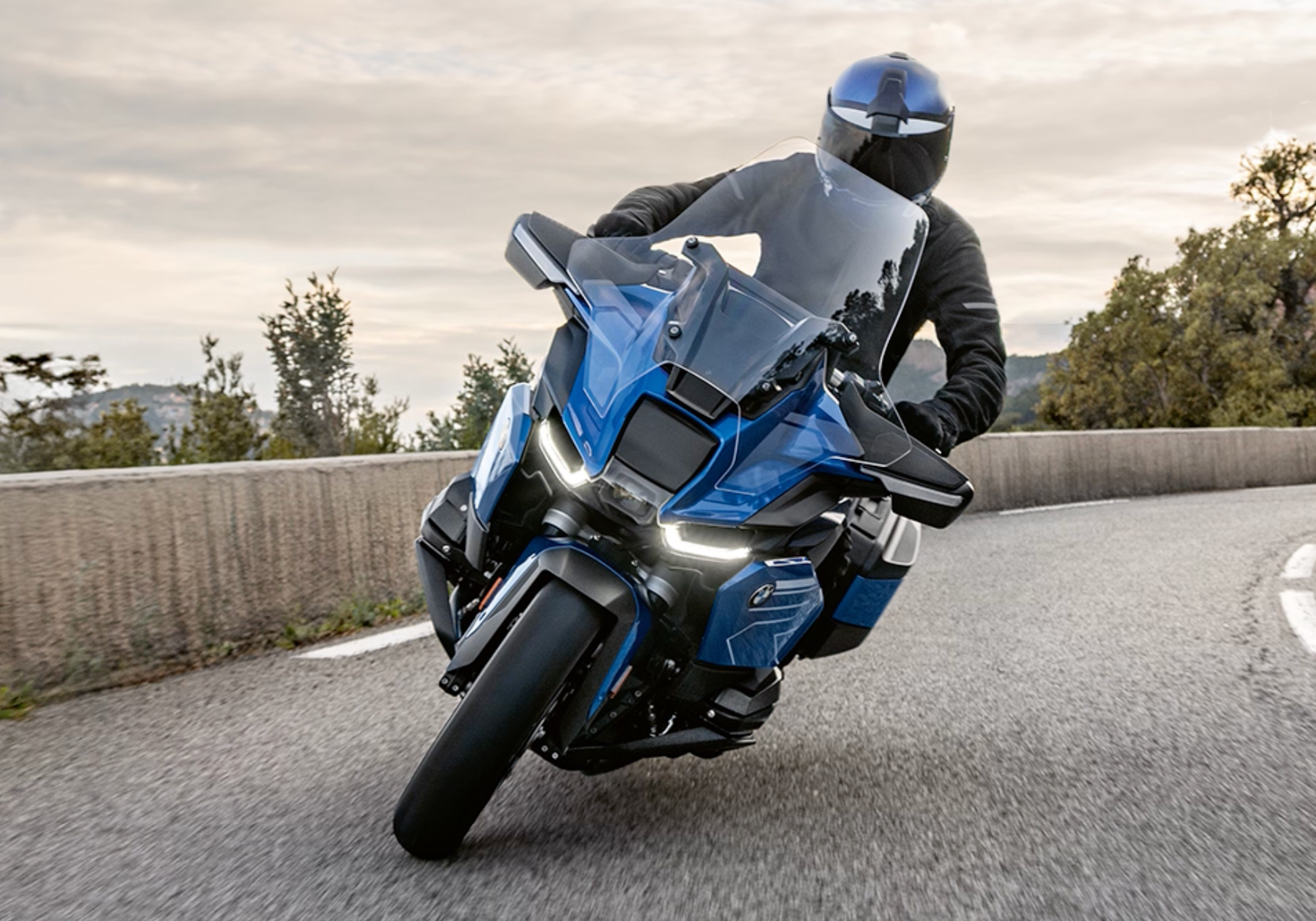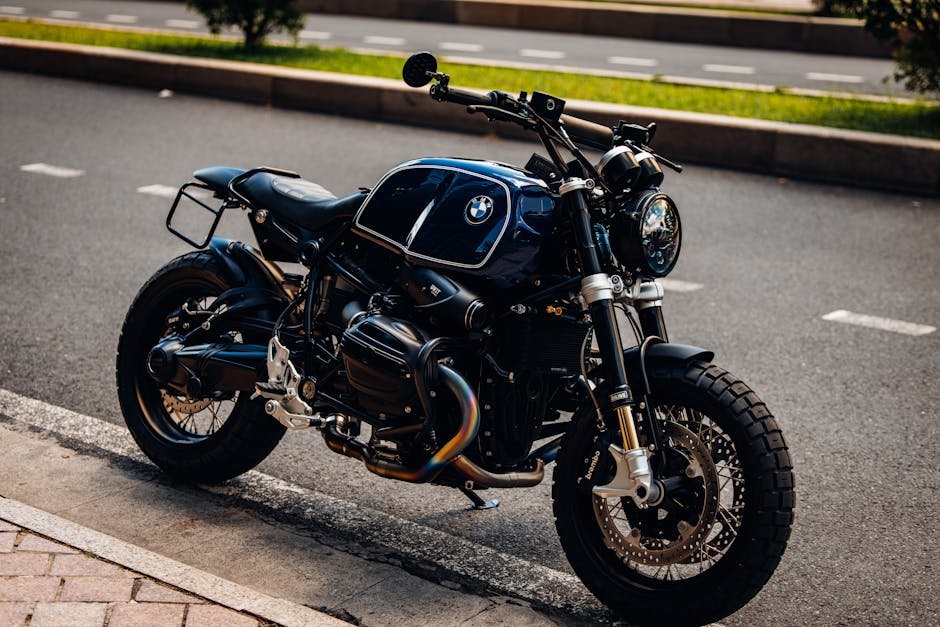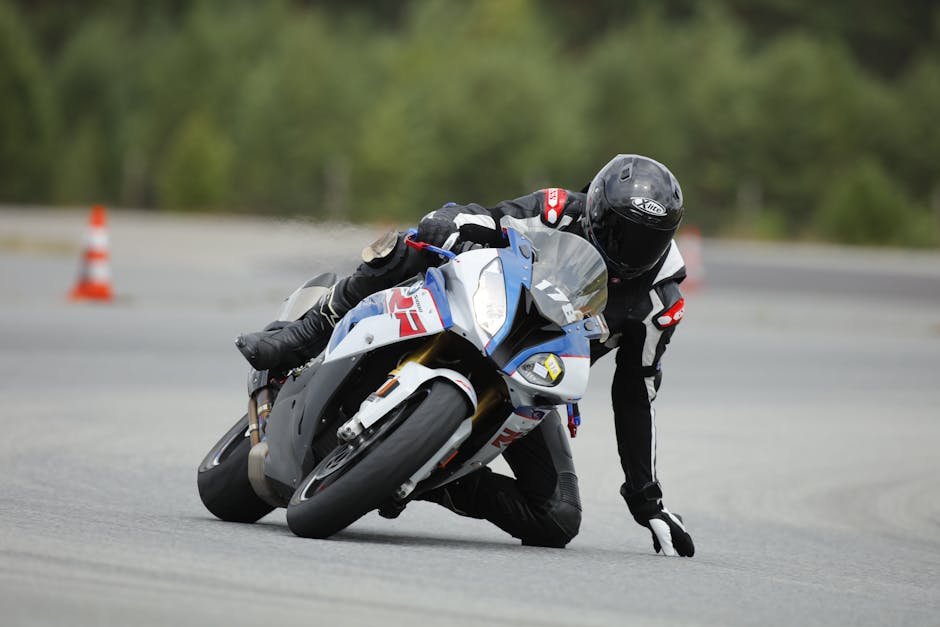

Zero Motorcycles is returning back to the very thing that makes it good in 2026: lightweight, real-world electric motorcycles that offer a “less is more” alternative to fancy specs with everyday practicalities. The projected XB and XE are set to be an ideal alternative for biking enthusiasts who dream of a feel of a bike like a modern street bike or scrambler, without the need for fuel stops, hot idle, or high maintenance.
Read below a clear, rider-first view of what is foreseeable, probable (based on Zero’s present tech stack), and what we are still waiting to get our hands on.
TL;DR
- XB: street-focused “cross-bar” roadster—think an agile city tool with weekend-fun gearing.
- XE: light ADV/dual-sport style—longer travel, 19/17 or 21/18 wheels, and dirt-friendly ergonomics.
- Expect Cypher III+ electronics, app connectivity, and an updated Z-Force battery with smarter thermal management and faster Level-2 charging.
- Zero is showing plans for easier UI, lower seat options, and better stock tires/suspension where riders could spend less time modding and more time riding.
- Bare figures (price, range, pack size) are still TBD; use the tables below as informed expectations.
Positioning: Why XB and XE Matter
Zero Motorcycles’s lineup already covers sport (SR/F), faired sport-tour (SR/S), adventure (DSR/X), and supermoto (FXE). What’s still open is:
- a light, approachable street bike with upright ergonomics (XB), and
- a true middleweight dual-sport that splits the difference between urban commuting and gravel escapes (XE).
They shall represent two central electric use scenarios underway now: short-to-medium daily rides and weekend exploration via self-charging at home.
Design & Ergonomics
XB (Street)
- Neutral upright triangle, mid-pegs, wide bar.
- Compact tail with sturdy subframe for soft bags.
- 17″ wheels front/rear, road-biased rubber, optional small fly-screen.
- Seat heights likely in the 30.5–31.5 in range with an optional low seat.
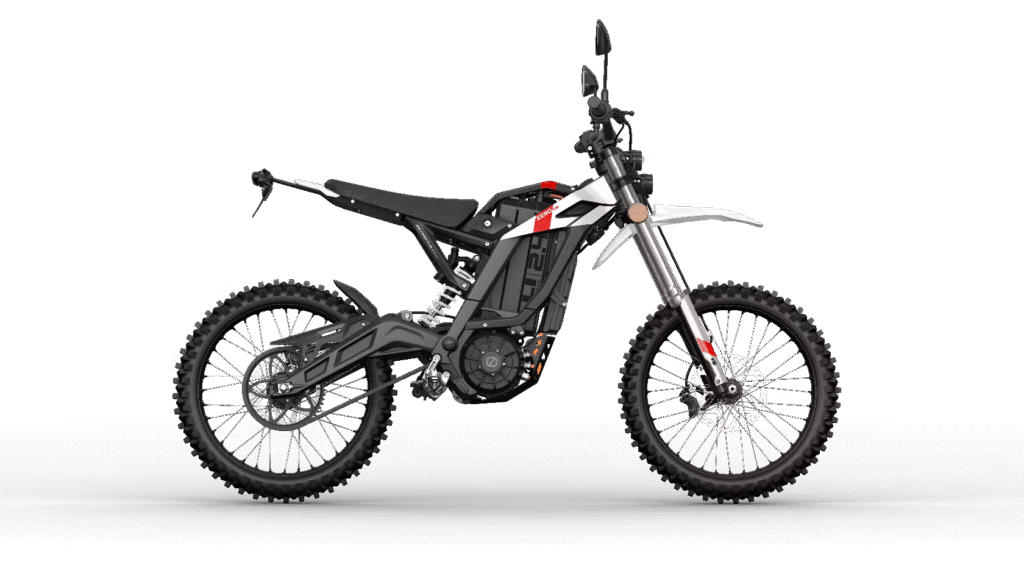
XE (Dual-Sport / Light ADV)
- Taller stance, wider bar, standing-friendly layout.
- 19/17 or 21/18 spoked wheels with real sidewall.
- Skid plate, hand guards, rear rack mounts; soft luggage ready.
- Seat options around 32.0–33.5 in, with a “Low” accessory seat expected.
Powertrain & Battery (Expected)
Zero Motorcycles’s latest models feature the Z-Force battery system and Cypher III+ OS. Expect the same but with a few tweaks to minimize weight and heat.
| Item | 2026 Zero XB (expected) | 2026 Zero XE (expected) |
|---|---|---|
| Motor | Air-cooled Z-Force, ~55–75 kW peak (street tune) | Same motor, dirt/ADV tune for tractability |
| Battery | New Z-Force pack ~11–15 kWh usable (trim dependent) | Same pack options; more robust thermal strategy |
| Final Drive | Belt (street), possible chain kit | Chain (stock or accessory) for dirt |
| Controller | Cypher III+ with ride-by-wire maps | Cypher III+ with off-road traction logic |
| Regen | Adjustable (off-throttle & braking-linked) | Adjustable; milder when standing on gravel |
Note: These are reasoned projections until Zero publishes spec sheets.
Charging & Ownership
- Level 1 (120V): Plug in overnight, great if your garage is in an apartment building.
- Level 2 (240V): 6–12 kW on-board is the expected range (by trim/charger module), making a 10–80% charge in a long lunch or gym stop.
- External DC fast charging has not been mentioned for these middleweights; historically Zero maximizes pack longevity and cost over excessive gear.
Especially because: Most owners just plug in at home and leave in the morning at 80–100%. With a commuter-sized pack, it becomes rare to hunt for a charger unless you’re on new routes.
Range: Real-World Scenarios (Estimates)
| Use case | XB (street tires) | XE (dual-sport tires) |
|---|---|---|
| City (25–35 mph avg) | 120–160 mi | 110–150 mi |
| Mixed (suburbs, 45–60 mph) | 80–110 mi | 75–100 mi |
| Highway (65–75 mph steady) | 55–80 mi | 50–75 mi |
| Gravel/Fire roads | N/A | 70–100 mi depending on surface/pace |
Rider weight, temps, elevation, wind, and tires can swing results ±20%.
Chassis, Brakes & Electronics
- Suspension
- XB: 41–43 mm USD fork, ~120–140 mm travel; preload/rebound at a minimum.
- XE: longer-travel fork/shock (160–200 mm); linkage rear; accessible clickers.
- Brakes
- Radial front caliper(s), steel lines, Bosch-style cornering ABS likely on top trims.
- Electronics
- Ride modes (Street, Sport, Rain; Gravel or Trail on XE).
- Traction control tuned for low-grip; off-road mode loosens thresholds.
- Turn-by-turn via app, OTA updates, and a bright TFT with glove-friendly UI.
- Accessories
- Quick-charge modules, heated grips, racks/soft-bag systems, wind screens, low/high seats, hand guards, crash protection.
Expected Pricing & Trims (TBD)
Zero Motorcycles generally has several trims depending on battery size and charging hardware selected, there to find, expected to sort as:
| Model | Core Trim | Premium Trim |
|---|---|---|
| XB | Smaller pack, basic charger, simpler dash | Larger pack, faster L2 charger, TFT + cornering aids |
| XE | Same approach; chain drive, protection bits | Beefier suspension, spoked wheels, fast L2, accessory bundle |
U.S. MSRP ballpark (educated guess based on current Zero pricing trends):
- XB: $11,999–$14,999
- XE: $12,999–$15,999
(Various region incentives, freight, and local EV rebates can impact the final cost.)
Who Each Bike Fits
- Get the XB if you want… a silent, quick, easy city-to-suburb commuter that’s nimble, low-stress, and fun on every errand—plus a weekend back-road rip with friends.
- Get the XE if you want… a dual-sport you can live with daily, ride to the trails, stand up across washboards, and plug in when you get home.
Competitors to Watch
- Street / Standard: LiveWire S2 Del Mar, Kawasaki Z EV (region-dependent), Ryvid Anthem (urban).
- Light ADV / Dual-Sport: Energica Experia (heavier, long-range tourer), upcoming smaller-pack entries from major OEMs as they appear.
Zero’s advantage continues to be weight, approachability, and software polish—the items you sense at every stop sign.
Simple Buying Checklist
- Commute calculations: Add 20% to your daily mileage; check that the smaller pack has coverage in bad weather.
- Home charging: A dedicated 240V outlet? Budget for an electrician just once; then forget about gas stations.
- Fit testing: Seat reach, bar width, and screen height (XB) or standing balance and peg feel (XE).
- Tires matter: Street tires unlock more range; knobbies trade some range for dirt confidence.
- Trims & add-ons: Faster on-board charging is the best upgrade if you ride often.
FAQ
How fast are the XB and XE?
Zero’s middleweights will typically feel “big-twin quick” during normal traffic speeds due to their instant torque delivery. The top speed is generally limited for efficiency’s sake, and you should expect ~90–105 mph with different trims.
Can I tour on them?
Short-to-medium distance tours with Level-2 lunch breaks are quite achievable. However, for the riders who excel in endurance tests, then the DSR/X with a big battery and wind protection is still the better Zero.
Do electric bikes require a lot of servicing?
You won’t be needing engine oil, valve checks, nor will you have to deal with myriad moving parts. You will only be looking at tires, brake pads, final drive (belt/chain), and coolant on some controllers—and that’s about it.
Bottom Line
The 2026 Zero XB and XE are going to make electric motorcycling simpler and more affordable: lighter packages, friendlier ergonomics, quicker Level-2 charging, and software that just works. If Zero comes through with pricing and keeps the weight tight, these could turn out to be the default electric options for city riders and light-ADV explorers alike.
This article will be updated with confirmed specs, prices, and ride impressions as soon as Zero makes the official details available.
Also Read