
Table of Contents
If you are considering a secondhand Japanese cruiser then you must have evidently thought about the Yamaha V Star. What’s really cool is that all the models (650 / 950 / 1100/ 1300) are proven to be crazy dependable pending that they are maintained well. The tough part is they differ immensely in things such as power, weight, and idiosyncrasies of maintenance.
This reference material differentiates them with main specifications, driving experience, and the reports from owners that indicate the probable issues so that you can choose the one that you like upon your own discretion instead of being influenced by the engine size.
Brief spec comparison (look)
Almost the same stock specs, which can vary a little based on the year/version but this is enough to see the real-world picture.
| Model | Displacement | Cooling / Fuel | Power* | Torque* | Wet Weight* | Seat Height* | Final Drive |
|---|---|---|---|---|---|---|---|
| V Star 650 | 649cc | Air-cooled, carb | ~40 hp | ~38 lb-ft | ~500+ lb | ~27-28 in | Shaft |
| V Star 950 | 942cc | Air-cooled, fuel-injected | ~50 hp | ~58 lb-ft | ~610+ lb | ~26.5 in | Belt |
| V Star 1100 | 1063cc | Air-cooled, carb | ~52-62 hp | ~63 lb-ft | ~650 lb | ~27 in | Shaft |
| V Star 1300 | 1304cc | Liquid-cooled, fuel-injected | ~70-76 hp | ~82 lb-ft | ~710+ lb | ~27.2 in | Belt |
*Power/torque and wet weight slightly differ depending on the year and trim (Custom, Classic, Tourer, etc.), but these figures come quite close to factory specs and road tests.
The feel of each V Star on the road
V Star 650 – “Small” bike that seems large
- Who it fits: Fresh riders, shorter rides, or everyone who prefers a lighter, a little lower-powered cruiser that still looks like a “real bike.”
- Character:
- Narrow, low seat, easy to flat-foot.
- Right amount of power for city and highway, not a race.
- Old-school carbureted, air-cooled vibe.
- Best for: Commuting, casual weekend rides, chilled two-up at sane speeds.
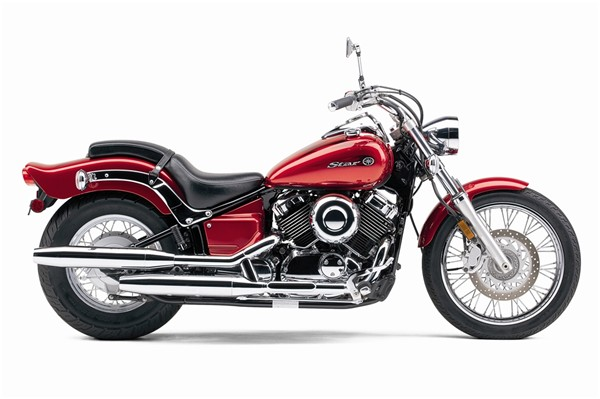
V Star 950 – Modern mid-size, very friendly
- Who it Fits: Riders who are looking for more power and a better presence compared to 650 but do not want the hassle of handling a full-size cruiser.
- Characteristics:(Wikipedia)
- 942cc, fuel-injected, strong torque and smooth ride.
- Low seat, long wheelbase, the “”big bike”” image goes well with it.
- Highway cruising was good and still neighborhood friendly.
- Best for: The perfect choice for commuting, light touring,; solo or two-up with one extra.
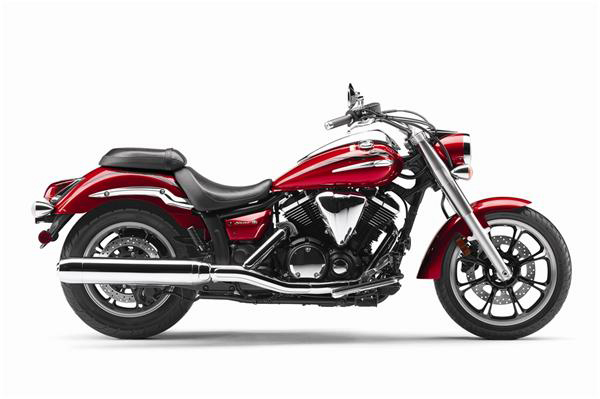
V Star 1100 – Old-school muscle cruiser
- Who it fits: People that love classic air-cooled, carb feel with more torque than 650, but are not afraid to twist wrenches a little bit.
- Character:
- Good low-end and overall torque, jewel from low RPM.
- Heavy; rides more solid; prefers long highway rides.
- Carburetors are more forgiving with changes, which is related to storage issues, mods, and maintenance.
- Best for: The true ones who are looking for a good base, as well as for long-term use with shaft drive.
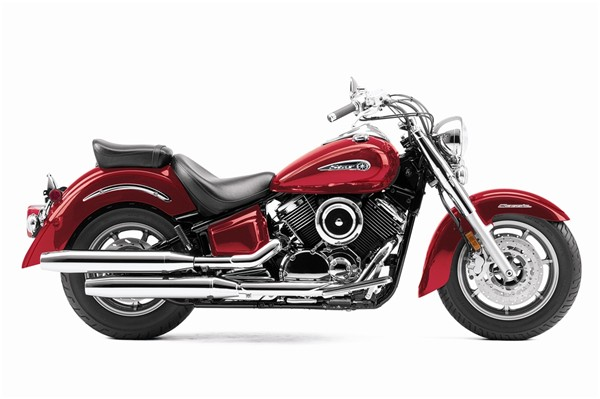
V Star 1300 – Real Big-Bore Tourer
- Who it fits: Riders who don’t mind weight and are looking for real highway power and decent touring capability without the whole step to a 1700+.
- Character:
- Strong midrange with liquid-cooled, fuel-injected technology along with easy 70-80mph cruise.
- Long and heavy, yet very stable with bags and windshield.
- It feels like a “full-fledged” setup, because of great brakes, suspension and electronics for that time.
- Best for: Long rides, two-up touring, riding big miles in every season.
Common problems and what to watch for
Every one of these bikes has the typical used-cruiser problems: age, aches, neglect, sitting in a garage, and cheap modifications, as well as maintenance being skipped being the ones that create more issues than Yamaha engineering ever did.
Below are the frequently mentioned ones, the owners collected in forums and tech sites. One thing to emphasis is that these are not guaranteed failures, just patterns to check when you are shopping.
V Star 650 – Cam-chain noise & oil leaks
Typical issues owners report:
- Oil leaks from known weak spots
- Older 650s have a common oil leak point around the case seam/cover area; Motorcycle Cruiser even calls it out as a “common oil leak fix” on neglected bikes.
- It may often lead to floor drips; this is not important but it is messy and irritating.
- Cam chain tensioner / valve-train noise
- There are reports about the tacks on the metallic stressing or “metal on metal” sounds which are related to cam chain tensioners, or guides being idle or sticky.
- If this noise is neglected, the worst it can do is to damage the chain or guidelines.
- Carb & storage issues
- Bikes that sat for years often have: hard starting, poor power, and lean running due to gummed jets or poorly set aftermarket intake/exhaust.
- Not a design fault — just very common in the market of the used ones.
What to do when buying:
- Listen for top-end / chain noise once warmed up.
- Inspect under the engine and around the left side for fresh oil.
- If it’s been sitting: budget for full carb clean, fresh plugs, all fluids, and a real tune.
V Star 950 – nozze belt tension, start issues & fueling gremlins
Typical issues owners report:
- Overtight drive belt
- A few of the owners that were mentioned that an overly tight belt tension could cause the output shaft bearing and crankcase having problems over time.(starbikeforums.com)
- Symptoms include whining noise, vibration, or premature bearing wear.
- Starter / hot-start problems
- Reports were found about starters overheating and then the starter relay failing, and solenoid failing leading to no-start without a hot one plus.
- Usually, this is tied to worn starter brushes, weak solenoids, or dirty connections.
- Power loss / bogging / high fuel consumption
- The threads were about the bike choking down, running rich/lean, or losing power; usually identified to injector issues, clogged throttle bodies, or insufficient maintenance instead of a fundamental design flaw.
What to do when buying:
- Check belt tension by the book and listen for whining on a test ride.
- Test cold start and hot restart after a decent ride.
- Look for smooth and consistent throttle response with no bogging under load.
V Star 1100 – starter clutch saga & carb quirks
This is the one with the most famous “known issue”:
- Starter clutch weakness (especially early years)
- V Star 1100 owners and tech articles repeatedly name the starter clutch as a weak point which was a problem for many—failures could mean costly repairs (~$1,500 range if you’re paying shop labor).
- The signs are: grinding when trying to start the bike, a free-spinning starter occasionally, or just spontaneous starting.
- Carb troubleshooting & misfires
- Misfires, poor idle, or surging are frequently tracked down to dirty or out-of-sync carbs, vacuum leaks, or exhaust leaks.
- Once again, aging, storing, and backyard modifications are all to blame.
- Noisy lifters / valve-train ticking
- Some owners comment on lifters being noisy and the valve-train making clatter if the oil change has been neglected.
What to do when buying:
- Pay close attention to the sound while cranking; any grinding or slipping are red flags.
- Ask for evidence of the starter clutch work; if it’s been elevated, that’s a plus.
- Check for smooth idle and clean pull through the rev range; roughness usually means carb work ahead but not a dead engine.
V Star 1300 – fueling smoothness & exhaust issues
The 1300 is regarded as the – **very reliable *** owners state, on the other hand, there are couple of repeating situations that they face:
- Low-RPM jerkiness / surging
- The stock fueling has often been talked about as being a bit jerky at low RPM and light throttle, which is probably due to our emissions mapping.
- Many riders tune their ECU, or sometimes add fuel controllers, or just use a:-riding technique for t—-.
- Exhaust baffle / muffler issues
- Some reports were made of muffler baffle failures which were followed by a rattling/muffler bluing and ended with overheating under load and backfiring.
- Outside being bombproof
- A lot of the 1300 owners said: Fuel in, ride, forget about carbs, just go.
What to do when buying:
- Test ride at low RPM in town and feel for surging or hesitation.
- Listen for rattles from the exhaust and look for severe bluing.
- If it’s a stock and well-tuned ride, the 1300 will be one of the best bets for long-term reliability.
Which V Star should you buy?
Use case and not only engine size:
- On a budget / new rider / smaller stature
→ V Star 650- Inexpensive, easy to ride, tons of parts and guides available on the internet.
- Just make sure you check for oil leaks and cam/chain noise, and you can assume that you’ll refresh carbs on older examples.
- Daily rider who wants just-right power & modern feel
→ V Star 950- Fuel-injected, good torque, still manageable weight.
- Be picky about belt tension and starting behavior.
- Old-school fan who doesn’t mind wrenching
→ V Star 1100- Great shaft-drive cruiser with strong low-end pull.
- Make sure you understand the starter clutch issue and factor that into price.
- Touring & big-mile rider
→ V Star 1300- High-end highway legs, common FI, tons of aftermarket for bags/windscreens.
- Check for smooth fueling at low RPM and healthy exhaust.
Final thoughts
Here is a general summary:
- They are all capable, long-lived cruisers if cared for.
- The significant differences are weight, fueling (carb vs FI), drive type (shaft vs belt), and how much wrenching you want to do.
- When looking for a used bike, one with maintenance records and a calm, stock-ish setup is more valuable than any specific model badge.
Also Read