
2009
Daelim S2 125 FI - Specifications & Review
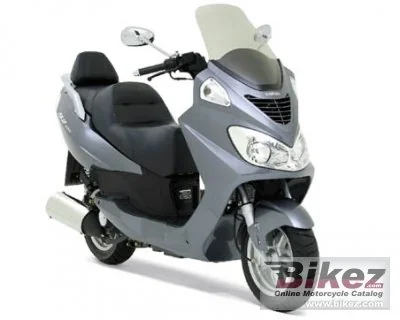
Article Complete Info
| Articleid | 509544 |
|---|---|
| Category | Scooter |
| Make | Daelim |
| Model | S2 125 FI |
| Year | 2009 |
Chassis, Suspension, Brakes & Wheels
| Frontbrakes | Single disc |
|---|---|
| Frontbrakesdiameter | 240 mm (9.4 inches) |
| Fronttyre | 120/70-12 |
| Rearbrakes | Single disc |
| Rearbrakesdiameter | 200 mm (7.9 inches) |
| Reartyre | 130/70-12 |
Engine & Transmission
| Coolingsystem | Oil & air |
|---|---|
| Displacement | 124.90 ccm (7.62 cubic inches) |
| Enginedetails | Single cylinder, four-stroke |
| Fuelsystem | Injection |
| Gearbox | Automatic |
| Transmissiontypefinaldrive | Belt |
| Valvespercylinder | 4 |
Other Specifications
| Coloroptions | Blue, red, grey |
|---|---|
| Starter | Electric |
Physical Measures & Capacities
| Fuelcapacity | 11.50 litres (3.04 gallons) |
|---|---|
| Overallheight | 1,340 mm (52.8 inches) |
| Overalllength | 2,110 mm (83.1 inches) |
| Overallwidth | 740 mm (29.1 inches) |
About Daelim
Country of Origin:
South Korea
Founder:
Daelim Group (Daelim Motor Co.)
Best Known For:
Reliable scooters and small motorcycles for Asia and Europe; value commuter platforms
Company History
Daelim Motor emerged as one of South Korea’s key two-wheel manufacturers during the late 20th century, building scooters and small-displacement motorcycles that aligned with the country’s broader industrial ascent. Leveraging partnerships and disciplined manufacturing, Daelim delivered practical commuters—125–250cc roadsters, step-throughs, and maxi-scooters—tailored for licensing norms and price sensitivity in domestic and export markets. In Europe, Daelim carved a niche among riders who wanted warranty-backed transport without premium badges, while in Asia it supplied the workaday backbone of food delivery, student mobility, and suburban errands. Over time, the brand embraced emissions advances and fuel injection, upgraded braking to meet new regulations, and refined fit and finish in response to increasingly sophisticated competition from China and established Japanese OEMs. Dealers valued ready access to spares and straightforward service procedures; owners appreciated fuel economy and low insurance classes. While Daelim rarely chased racing laurels, its influence is visible in the quiet math of mobility: machines that start, stop, and carry at minimal cost per kilometer. Historically, Daelim exemplifies South Korea’s manufacturing playbook—learn fast, scale smart, and compete where reliability and value matter most. In the streetscape of any city that sells practicality by the liter, Daelim’s presence is the hum you barely notice until you realize how many commutes, paychecks, and family visits depend on that steady, unglamorous competence.