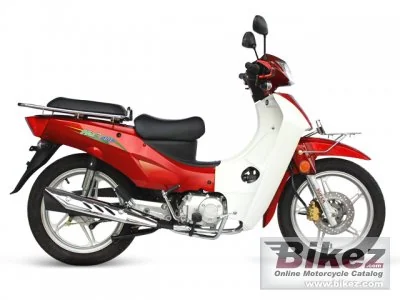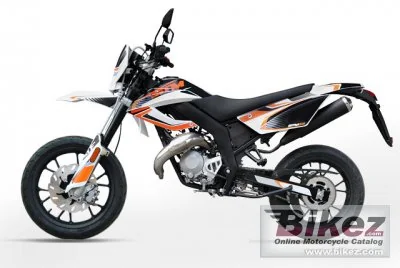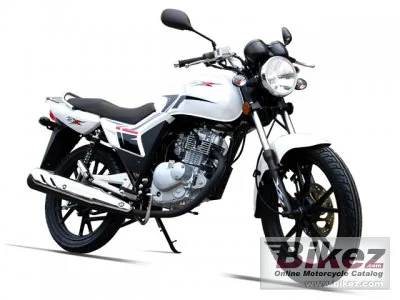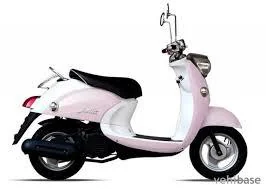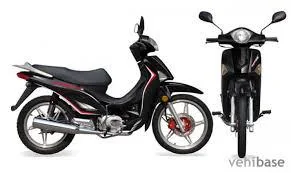

Dafier Crazy 50
Years: 2010 – 2011
Dafier belongs to the large cohort of Chinese scooter manufacturers that rose with the globalization of powersports in the late 1990s and 2000s. The brand’s strategy has been pragmatic from the start: build simple, reliable 50–150cc scooters and small motorcycles using proven, widely supported engine families, then sell them through regional importers who can localize lighting, emissions, and safety features for their markets. For first-time riders and delivery fleets, the appeal is straightforward—low purchase price, easy parts availability through distributor networks, and uncomplicated maintenance. Over time, Dafier machines benefited from the maturing of China’s supplier ecosystem: better plastics fit, improved electrical connectors, and the gradual adoption of EFI where regulations require it. The brand rarely chases performance headlines, instead focusing on getting the core experience right: cold starts, consistent braking, decent ride quality over rough city streets, and storage that suits real errands. In many cities, you’ll find Dafier scooters wearing top boxes and windshields, quietly clocking miles for couriers and students. Historically, the significance of a brand like Dafier isn’t measured in magazine covers but in mobility delivered at scale. It demonstrates how modular manufacturing—engines, frames, and control components sourced from specialized suppliers—can be assembled into competent machines that meet local needs without imposing premium costs. Critics sometimes cite uneven dealer support across regions, yet where importers invest in parts pipelines and documentation, ownership can be remarkably painless. In this sense, Dafier represents a democratizing force in urban transport, widening the on-ramp for riders who value practicality and cost control above all else.