
2007
Derbi GP1 Racing 50 - Specifications & Review
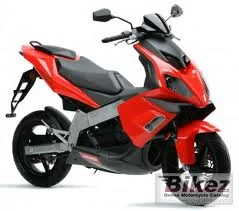
Article Complete Info
| Articleid | 354065 |
|---|---|
| Category | Scooter |
| Make | Derbi |
| Model | GP1 Racing 50 |
| Year | 2007 |
Chassis, Suspension, Brakes & Wheels
| Frontbrakes | Single disc. Ventilated disk |
|---|---|
| Frontbrakesdiameter | 260 mm (10.2 inches) |
| Rearbrakes | Single disc. Ventilated disc |
| Rearbrakesdiameter | 180 mm (7.1 inches) |
Engine & Transmission
| Clutch | Automatic |
|---|---|
| Coolingsystem | Air |
| Displacement | 49.00 ccm (2.99 cubic inches) |
| Enginedetails | Single cylinder, four-stroke |
| Fuelsystem | Carburettor. Delorto PHVA 14 |
| Ignition | Electronic CDI |
| Lubricationsystem | Oil Pump |
| Transmissiontypefinaldrive | Shaft drive (cardan) |
Other Specifications
| Coloroptions | Black, Red |
|---|
Physical Measures & Capacities
| Fuelcapacity | 7.00 litres (1.85 gallons) |
|---|---|
| Overallheight | 1,116 mm (43.9 inches) |
About Derbi
Country of Origin:
Spain
Founder:
Simeó Rabasa i Singla
Best Known For:
Grand Prix-winning small-displacement two-strokes; GPR/ Senda series
Company History
Derbi began in postwar Catalonia as a bicycle repair shop that evolved into a manufacturer of ciclomotores—small, affordable motorized bicycles. Under Simeó Rabasa i Singla, the company pursued two parallel paths: practical commuters for Spain’s recovering economy and fiercely competitive racing machines that carried the brand’s red livery onto the world stage. Derbi’s 50cc and 125cc Grand Prix efforts yielded multiple world championships, proving that precision engineering and relentless development could overcome bigger budgets. On the street, Derbi’s scooters and geared small bikes—later the GPR sport models and Senda dual-sports—introduced generations of European riders to crisp two-stroke performance and agile chassis tuning. As emissions rules tightened, Derbi transitioned to cleaner engines and eventually joined the Piaggio Group, gaining access to broader resources while retaining its youthful identity. Historically, Derbi’s significance is disproportionate to displacement: it taught the industry to take “small” seriously, to build frames and suspensions worthy of skilled riders, and to covet the power-to-weight joy only a light machine can deliver. In club paddocks and on twisty mountain roads, Derbis earned reputations as rider’s bikes—responsive to input, eager to rev, and surprisingly durable in everyday use. For many Europeans, the first taste of true sport riding came on a Derbi, and the brand’s legacy lives in that formative grin.