
DKW E 200 1927 - Specifications & Review
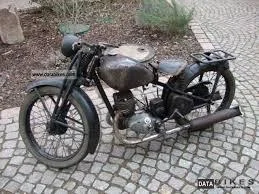
Article Complete Info
| Articleid | 121112 |
|---|---|
| Category | Sport |
| Make | DKW |
| Model | E 200 |
| Year | 1927 |
Chassis, Suspension, Brakes & Wheels
| Frontbrakes | Expanding brake (drum brake) |
|---|---|
| Frontbrakesdiameter | 140 mm (5.5 inches) |
| Fronttyre | 2.85-26 |
| Rearbrakes | Expanding brake (drum brake) |
| Rearbrakesdiameter | 140 mm (5.5 inches) |
| Rearsuspension | None |
| Reartyre | 2.85-26 |
| Seat | Two single seats |
| Wheels | Spoked |
Engine & Transmission
| Borexstroke | 63.0 x 64.0 mm (2.5 x 2.5 inches) |
|---|---|
| Coolingsystem | Air |
| Displacement | 198.00 ccm (12.08 cubic inches) |
| Enginedetails | Single cylinder, two-stroke |
| Fuelconsumption | 3.00 litres/100 km (33.3 km/l or 78.41 mpg) |
| Fuelsystem | Carburettor |
| Greenhousegases | 69.6 CO2 g/km. (CO2 - Carbon dioxide emission) |
| Ignition | Magneto |
| Topspeed | 70.0 km/h (43.5 mph) |
| Transmissiontypefinaldrive | Chain |
Physical Measures & Capacities
| Dryweight | 75.0 kg (165.3 pounds) |
|---|---|
| Fuelcapacity | 10.00 litres (2.64 gallons) |
About DKW E 200 1927
Introducing the 1927 DKW E 200: A Pioneering Sport Motorcycle
In the exhilarating landscape of the 1920s motorcycle scene, the DKW E 200 emerged as a noteworthy contender in the sport category, captivating riders with its innovative design and spirited performance. As one of the early offerings from DKW, a brand that would go on to become a giant in the motorcycle industry, the E 200 appeals to enthusiasts who appreciate classic engineering and the essence of early motorcycling. With its sleek lines and lightweight frame, this machine is not just a vehicle; it’s a piece of history that echoes the adventurous spirit of the roaring twenties.
Engine Performance and Riding Characteristics
At the heart of the DKW E 200 lies a spirited single-cylinder, two-stroke engine with a displacement of 198cc, delivering a top speed of approximately 70 km/h (43.5 mph). The engine's compact dimensions, with a bore and stroke of 63.0 x 64.0 mm, translate into a lively performance, making it an exhilarating ride for sport enthusiasts of the time. The air-cooled setup, combined with a reliable carburettor fuel system, ensures a responsive throttle and a thrilling acceleration experience, perfect for winding roads or leisurely rides. With fuel consumption rated at an impressive 3.00 litres per 100 km, the E 200 is as economical as it is fun, allowing riders to enjoy longer journeys without frequent stops for fuel.
Key Features and Technology
The DKW E 200 showcases a thoughtful blend of simplicity and functionality in its design. The motorcycle is equipped with expanding drum brakes, both front and rear, each measuring 140 mm (5.5 inches) in diameter, providing adequate stopping power for its lightweight frame of just 75 kg (165.3 pounds). The absence of rear suspension might raise eyebrows today, but it was a common feature in the era, emphasizing the bike's sport-focused profile. A chain final drive enhances the power delivery to the rear wheel, ensuring that the rider feels every ounce of the engine’s power. Additionally, the 10-litre fuel tank offers a generous range for enthusiasts eager to explore the open road.
Pros and Cons of the DKW E 200
Pros:
- Lightweight and agile: Weighing in at just 75 kg, the E 200 is easy to handle, making it ideal for both new riders and seasoned enthusiasts.
- Economical fuel consumption: With 3.00 litres per 100 km, this motorcycle is efficient, allowing for extended riding without frequent refueling.
- Classic two-stroke engine performance: The lively single-cylinder engine delivers a spirited ride, ideal for sport-oriented riders seeking thrills on the road.
Cons:
- Limited suspension: The absence of rear suspension may lead to a less comfortable ride over rough terrain compared to modern motorcycles.
- Basic braking system: While functional, the drum brakes may not provide the same level of stopping power and feedback that contemporary riders expect from modern braking systems.
- Minimal storage and features: As a sport motorcycle from the 1920s, it lacks the conveniences and technology found in today’s bikes, which may deter riders seeking advanced features.
In summary, the 1927 DKW E 200 is a remarkable testament to the early days of motorcycling, combining historical charm with spirited performance. It stands as a symbol of innovation, inviting enthusiasts to experience the thrill of a bygone era.