
DKW E 200 1928 - Specifications & Review
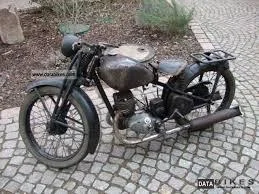
Article Complete Info
| Articleid | 152728 |
|---|---|
| Category | Sport |
| Make | DKW |
| Model | E 200 |
| Year | 1928 |
Chassis, Suspension, Brakes & Wheels
| Frontbrakes | Expanding brake (drum brake) |
|---|---|
| Frontbrakesdiameter | 140 mm (5.5 inches) |
| Fronttyre | 2.85-26 |
| Rearbrakes | Expanding brake (drum brake) |
| Rearbrakesdiameter | 140 mm (5.5 inches) |
| Rearsuspension | None |
| Reartyre | 2.85-26 |
| Seat | Two single seats |
| Wheels | Spoked |
Engine & Transmission
| Borexstroke | 63.0 x 64.0 mm (2.5 x 2.5 inches) |
|---|---|
| Coolingsystem | Air |
| Displacement | 198.00 ccm (12.08 cubic inches) |
| Enginedetails | Single cylinder, two-stroke |
| Fuelconsumption | 3.00 litres/100 km (33.3 km/l or 78.41 mpg) |
| Fuelsystem | Carburettor |
| Greenhousegases | 69.6 CO2 g/km. (CO2 - Carbon dioxide emission) |
| Ignition | Magneto |
| Topspeed | 70.0 km/h (43.5 mph) |
| Transmissiontypefinaldrive | Chain |
Physical Measures & Capacities
| Dryweight | 75.0 kg (165.3 pounds) |
|---|---|
| Fuelcapacity | 10.00 litres (2.64 gallons) |
About DKW E 200 1928
Introducing the 1928 DKW E 200, a remarkable entry in the realm of early sport motorcycles, which seamlessly blends innovation and performance within a sleek and lightweight frame. As a product of the renowned DKW brand, famed for its engineering prowess, the E 200 was positioned to appeal to enthusiasts of the roaring twenties who craved both speed and agility. With its striking vintage aesthetics and a weight of just 75 kg, the E 200 exemplifies the spirit of the era, where motorcycles were not only a means of transportation but also a symbol of freedom and adventure.
At the heart of the DKW E 200 lies a single-cylinder, two-stroke engine boasting a displacement of 198 cc. This compact powerhouse is designed for spirited performance, allowing riders to reach a top speed of 70 km/h (43.5 mph) with ease. The engine’s 63 mm bore and 64 mm stroke deliver an exhilarating riding experience, while the carburettor and magneto ignition systems ensure reliable starts and consistent power delivery. With a remarkable fuel consumption rate of just 3.00 litres per 100 km (78.41 mpg), the E 200 provides not only thrill but also efficiency, making it a practical choice for both spirited jaunts and longer rides.
The DKW E 200 is equipped with an array of features that highlight the technological advancements of its time. The air-cooled engine is coupled with a reliable chain final drive, presenting a straightforward yet effective method for power transmission. The motorcycle employs drum brakes, with 140 mm (5.5 inches) diameter expanding brakes at both the front and rear, ensuring adequate stopping power for its sporty nature. Although it lacks a rear suspension, the E 200's design prioritizes a lightweight structure, allowing for nimble handling and a more direct connection to the road, which many riders of the era found exhilarating.
Pros:
- Lightweight Design: At only 75 kg, the E 200 is easy to maneuver, making it suitable for both new and experienced riders.
- Excellent Fuel Efficiency: With a consumption of 3.00 litres per 100 km, it provides an impressive range, perfect for longer rides.
- Vintage Aesthetic: The classic design and charm capture the essence of 1920s motorcycling, appealing to collectors and enthusiasts alike.
Cons:
- Lack of Rear Suspension: The absence of rear suspension can lead to a harsher ride on uneven surfaces.
- Limited Speed: While 70 km/h is respectable for its time, modern motorcycles far surpass this, potentially limiting its appeal for speed enthusiasts.
- Basic Features: Compared to contemporary bikes, the E 200 lacks advanced technology and comfort features, which may deter some modern riders.
In summary, the 1928 DKW E 200 is a delightful homage to the early days of motorcycling, offering a unique blend of performance, efficiency, and nostalgic charm for those who appreciate the rich history of the sport.