
DKW E 300 1928 - Specifications & Review
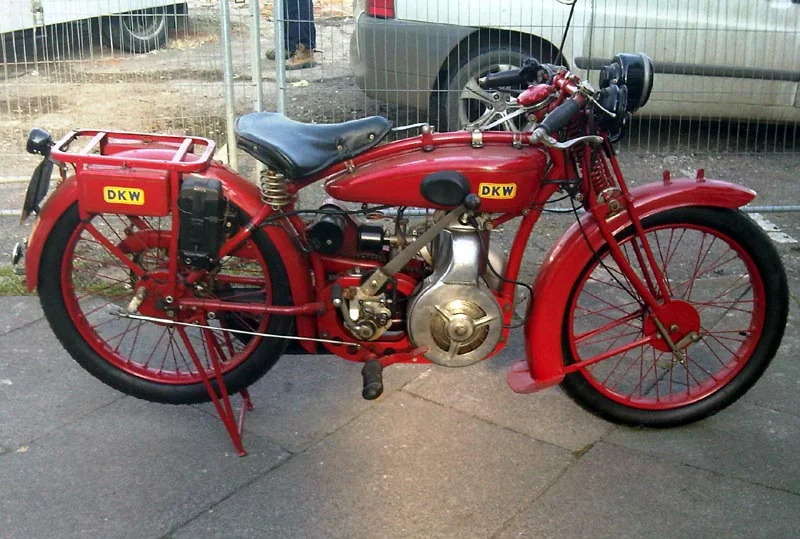
Article Complete Info
| Articleid | 312345 |
|---|---|
| Category | Sport |
| Make | DKW |
| Model | E 300 |
| Year | 1928 |
Chassis, Suspension, Brakes & Wheels
| Frontbrakes | Expanding brake (drum brake) |
|---|---|
| Frontbrakesdiameter | 140 mm (5.5 inches) |
| Fronttyre | 2.85-26 |
| Rearbrakes | Expanding brake (drum brake) |
| Rearbrakesdiameter | 140 mm (5.5 inches) |
| Rearsuspension | None |
| Reartyre | 2.85-26 |
| Seat | Two single seats |
| Wheels | Spoked |
Engine & Transmission
| Borexstroke | 74.0 x 68.0 mm (2.9 x 2.7 inches) |
|---|---|
| Coolingsystem | Air |
| Displacement | 292.00 ccm (17.82 cubic inches) |
| Enginedetails | Single cylinder, two-stroke |
| Fuelconsumption | 4.00 litres/100 km (25.0 km/l or 58.81 mpg) |
| Fuelsystem | Carburettor |
| Greenhousegases | 92.8 CO2 g/km. (CO2 - Carbon dioxide emission) |
| Ignition | Magneto |
| Topspeed | 80.0 km/h (49.7 mph) |
| Transmissiontypefinaldrive | Chain |
Physical Measures & Capacities
| Dryweight | 100.0 kg (220.5 pounds) |
|---|---|
| Fuelcapacity | 14.00 litres (3.70 gallons) |
About DKW E 300 1928
Introducing the 1928 DKW E 300, a motorcycle that epitomizes the spirit of pre-war sport riding. As one of the pioneering models from the German manufacturer DKW, the E 300 emerged during a vibrant era for motorbikes, positioning itself as a reliable and spirited choice for enthusiasts. With its lightweight design and agile handling, this bike captured the hearts of riders looking for both performance and a touch of elegance. As a sport motorcycle, it was built for those who craved speed and maneuverability without sacrificing the charm of classic engineering.
At the heart of the DKW E 300 lies a spirited 292cc single-cylinder two-stroke engine that delivers a top speed of 80 km/h (49.7 mph). The engine's compact dimensions, with a bore and stroke of 74.0 x 68.0 mm, showcase its efficient design, while the carburetor fuel system ensures that riders experience responsive acceleration. Riders can expect a satisfying blend of power and efficiency, as the E 300 boasts a fuel consumption rate of just 4.00 liters per 100 km, translating to an impressive 58.81 mpg. The lightweight chassis, tipping the scales at only 100 kg (220.5 pounds), contributes to its nimble handling, making it a joy to navigate through tight corners and winding roads.
The DKW E 300 is not just about performance; it comes packed with features that reflect the innovative spirit of its time. With a robust chain final drive and air cooling, the bike is built for reliability and ease of maintenance, ensuring that enthusiasts can focus on the ride. The expanding drum brakes, both front and rear, offer dependable stopping power, helping riders feel confident even at higher speeds. Furthermore, the 14-liter fuel tank allows for extended rides, ensuring that the thrill of the open road can be enjoyed without frequent stops.
Pros:
- Lightweight and Nimble: At just 100 kg, the E 300 is designed for agility, making it perfect for sport riding and navigating tight spaces.
- Excellent Fuel Efficiency: With a fuel consumption of 58.81 mpg, it allows for longer rides between refuels, catering to the adventurous spirit.
- Classic Aesthetics: The E 300 showcases timeless design elements that appeal to vintage motorcycle enthusiasts and collectors alike.
Cons:
- Limited Speed: While 49.7 mph is respectable for its time, modern standards may find the top speed underwhelming for contemporary riders.
- Basic Suspension: The absence of rear suspension may lead to a less comfortable ride over rough terrain compared to modern motorcycles.
- Manual Maintenance Required: The magneto ignition and two-stroke engine necessitate regular upkeep, which might not appeal to riders seeking a low-maintenance option.
In summary, the 1928 DKW E 300 stands as a testament to the ingenuity of early motorcycle engineering. With its blend of performance, efficiency, and classic design, it continues to capture the imagination of motorcycle enthusiasts around the globe.