
DKW Lomos-Sesselrad 170cc 1922 - Specifications & Review
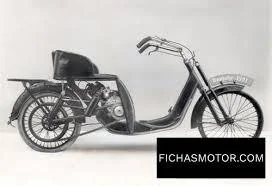
Article Complete Info
| Articleid | 536871 |
|---|---|
| Category | Allround |
| Make | DKW |
| Model | Lomos-Sesselrad 170cc |
| Year | 1922 |
Chassis, Suspension, Brakes & Wheels
| Frametype | Cast magnesium frame |
|---|---|
| Frontbrakes | Expanding brake (drum brake) |
| Rearbrakes | Expanding brake (drum brake) |
| Rearsuspension | Swingarm |
| Seat | Solo seat |
| Wheels | Spoked |
Engine & Transmission
| Borexstroke | 60.0 x 60.0 mm (2.4 x 2.4 inches) |
|---|---|
| Displacement | 169.60 ccm (10.35 cubic inches) |
| Enginedetails | Single cylinder, two-stroke |
| Fuelsystem | Carburettor |
About DKW Lomos-Sesselrad 170cc 1922
Introducing the 1922 DKW Lomos-Sesselrad 170cc, a remarkable piece of engineering from the early 20th century that encapsulates the spirit of motorcycling's formative years. Positioned as an allround motorcycle, the Lomos-Sesselrad is not just a machine; it’s a testament to DKW's innovative approach to motorcycle design. With its distinctive styling and practical features, this model was designed to appeal to a wide range of riders, from urban commuters to weekend adventurers, embodying the essence of versatility and ease of use that characterized motorcycles of its era.
At the heart of the Lomos-Sesselrad is a robust single-cylinder, two-stroke engine with a displacement of 169.60 cc (10.35 cubic inches). Its compact dimensions, with a bore and stroke of 60.0 mm each, provide a balanced performance that is both spirited and manageable. The engine's simplicity, paired with a reliable carburettor fuel system, allows for smooth acceleration and an engaging ride. Riders can expect a nimble experience on the road, thanks to the lightweight cast magnesium frame that enhances handling and maneuverability. With a focus on practicality, the bike's design supports easy navigation through tight city streets while still affording the pleasure of cruising along country roads.
The Lomos-Sesselrad is characterized not only by its performance but also by its thoughtful technological features. The cast magnesium frame not only reduces weight but also contributes to the bike's overall strength and rigidity, making it an impressive feat of engineering for its time. The expanding drum brakes at both the front and rear ensure reliable stopping power, providing confidence for riders navigating diverse terrains. The swingarm rear suspension enhances comfort on longer rides, allowing the bike to absorb bumps and imperfections in the road, making it a favorite among those who appreciate the nuances of classic motorcycle design.
Pros:
- Lightweight Construction: The cast magnesium frame contributes to a nimble riding experience, making the motorcycle easy to handle.
- Classic Aesthetics: The design exudes vintage charm, appealing to enthusiasts of classic motorcycles.
- Smooth Performance: The two-stroke engine delivers spirited acceleration and a rewarding riding experience.
Cons:
- Limited Power Output: With only 169.60 cc, the engine may struggle to keep pace with modern traffic, limiting its utility for longer trips.
- Basic Suspension: While the swingarm rear suspension is a step forward for comfort, it may not provide the advanced handling found in contemporary bikes.
- Maintenance Needs: As a vintage motorcycle, it may require more frequent maintenance and attention to keep it running smoothly compared to modern machines.
In summary, the 1922 DKW Lomos-Sesselrad 170cc is a captivating blend of history, engineering, and riding enjoyment, making it a cherished gem among motorcycle aficionados and a fascinating subject for those who appreciate the evolution of motorcycling.