
DKW Lomos-Sesselrad 170cc 1923 - Specifications & Review
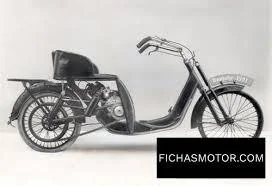
Article Complete Info
| Articleid | 20024 |
|---|---|
| Category | Allround |
| Make | DKW |
| Model | Lomos-Sesselrad 170cc |
| Year | 1923 |
Chassis, Suspension, Brakes & Wheels
| Frametype | Cast magnesium frame |
|---|---|
| Frontbrakes | Expanding brake (drum brake) |
| Rearbrakes | Expanding brake (drum brake) |
| Rearsuspension | Swingarm |
| Seat | Solo seat |
| Wheels | Spoked |
Engine & Transmission
| Borexstroke | 60.0 x 60.0 mm (2.4 x 2.4 inches) |
|---|---|
| Displacement | 169.60 ccm (10.35 cubic inches) |
| Enginedetails | Single cylinder, two-stroke |
| Fuelsystem | Carburettor |
About DKW Lomos-Sesselrad 170cc 1923
Introducing the 1923 DKW Lomos-Sesselrad 170cc motorcycle, a remarkable piece of engineering from one of Germany's pioneering motorcycle manufacturers. Positioned in the allround category, this vintage gem stands out with its unique design and innovative features for its time. The Lomos-Sesselrad was designed not just for the thrill of speed but also for practicality and everyday riding, appealing to both casual riders and motorcycle enthusiasts who appreciate a blend of history and performance.
At the heart of the Lomos-Sesselrad lies a spirited single-cylinder, two-stroke engine with a displacement of 169.60 ccm (10.35 cubic inches). The engine's compact dimensions, with a bore and stroke of 60.0 mm by 60.0 mm, deliver an engaging riding experience, characterized by lively acceleration and a responsive throttle. With a carburettor fuel system, this motorcycle’s power delivery is smooth and predictable, making it an excellent choice for riders looking to navigate through urban environments or enjoy leisurely country rides. The lightweight design, combined with the potent engine, allows for nimble handling and maneuverability, ensuring that every twist and turn on the road is a delight.
The DKW Lomos-Sesselrad is notable for its advanced features for the era, including a cast magnesium frame that enhances both strength and weight savings. The motorcycle is equipped with expanding drum brakes at both the front and rear, offering reliable stopping power that instills confidence in the rider. The rear suspension employs a swingarm design, providing a level of comfort and stability that was ahead of its time. The thoughtful engineering of the Lomos-Sesselrad reflects DKW's commitment to crafting motorcycles that are not just about speed but also about a comfortable riding experience.
PROs:
- Lightweight Design: The cast magnesium frame contributes to an overall lightweight structure, enhancing performance and maneuverability.
- Responsive Engine: The single-cylinder, two-stroke engine offers a lively throttle response, making it fun and engaging to ride.
- Comfortable Suspension: The swingarm rear suspension provides a smooth ride, absorbing bumps and irregularities on the road.
CONs:
- Limited Power Output: While the engine is spirited, its small displacement may limit speed and power for more aggressive riders.
- Drum Brakes: The expanding drum brakes, while reliable for the era, may not offer the same level of stopping power as modern disc brakes.
- Two-Stroke Maintenance: As a two-stroke engine, it may require more frequent maintenance and attention compared to four-stroke counterparts.
In summary, the 1923 DKW Lomos-Sesselrad 170cc motorcycle is a charming and innovative relic of early motorcycle history, offering a fascinating glimpse into the evolution of motorcycle technology and design. Whether you're a collector, a vintage bike enthusiast, or simply someone who appreciates the art of motorcycling, the Lomos-Sesselrad promises a blend of nostalgia and an engaging ride that stands the test of time.