
1984
Dnepr MT-10 36 - Specifications & Review
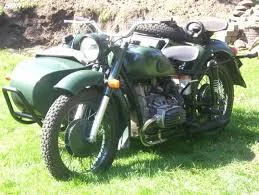
Article Complete Info
| Articleid | 547583 |
|---|---|
| Category | Classic |
| Make | Dnepr |
| Model | MT-10 36 |
| Year | 1984 |
Chassis, Suspension, Brakes & Wheels
| Frontbrakes | Expanding brake |
|---|---|
| Rearbrakes | Expanding brake |
Engine & Transmission
| Borexstroke | 78.0 x 68.0 mm (3.1 x 2.7 inches) |
|---|---|
| Displacement | 649.00 ccm (39.60 cubic inches) |
| Enginedetails | Two cylinder boxer, four-stroke |
| Power | 32.00 HP (23.4 kW)) @ 5600 RPM |
| Transmissiontypefinaldrive | Shaft drive (cardan) |
Other Specifications
| Comments | Dnepr made this bike in Kiev 1975-84. |
|---|
About Dnepr
Country of Origin:
Ukraine (former USSR)
Founder:
Kyiv Motorcycle Plant (KMZ), state enterprise
Best Known For:
Heavy-duty boxer twins and sidecar outfits for military and civilian use
Company History
Dnepr (KMZ) built rugged sidecar-capable motorcycles in Kyiv, supplying the Soviet military, police, and civilian sectors with machines designed for harsh roads and minimal maintenance. Sharing conceptual DNA with other Eastern Bloc boxers, Dnepr rigs emphasized torque, simplicity, and field-serviceability: horizontally opposed twins, shaft drive, generous ground clearance, and frames built to carry sidecars plus cargo or passengers. In remote regions, parts interchangeability and straightforward tools mattered more than polish, and Dnepr delivered accordingly. After the USSR dissolved, the factory faced capital shortages and global competition; production quality and volumes became inconsistent, yet a cult following grew among enthusiasts who prized the old-world charm of three-wheeled travel—dog in the chair, luggage in the trunk, and gravel roads ahead. Restorers modernize electrics, upgrade bearings, and sometimes retrofit disc brakes, preserving the tractors-on-two-wheels ethos while improving reliability. Historically, Dnepr stands as a symbol of utilitarian motorcycling: mobility that survives winter, war, and rough fuel. Its place in moto culture mirrors the sidecar itself—slower, more social, and oddly glamorous in a sepia-toned way—reminding riders that the destination can matter less than the stories gathered en route.