
2012
Evolve Neon - Specifications & Review
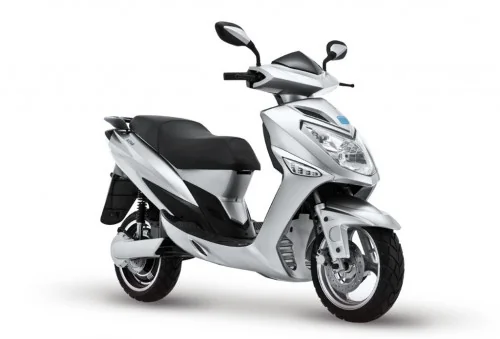
Article Complete Info
| Articleid | 814875 |
|---|---|
| Category | Scooter |
| Make | Evolve |
| Model | Neon |
| Price | US$ 3900. Prices depend on country, taxes, accessories, etc. |
| Year | 2012 |
Chassis, Suspension, Brakes & Wheels
| Frontbrakes | Single disc |
|---|---|
| Frontsuspension | Telecsopic |
| Fronttyre | 130/60-13 |
| Rearbrakes | Single disc |
| Rearsuspension | Hydraulic coil-over |
| Reartyre | 120/70-12 |
Engine & Transmission
| Coolingsystem | Air |
|---|---|
| Enginedetails | Electric |
| Power | 4.02 HP (2.9 kW)) |
| Topspeed | 80.5 km/h (50.0 mph) |
Other Specifications
| Coloroptions | Silver |
|---|---|
| Comments | 60ah LiFe PO4 battery. 2.5 hour recharge time. Range 50 miles. |
| Starter | Electric |
Physical Measures & Capacities
| Dryweight | 122.5 kg (270.0 pounds) |
|---|---|
| Overallheight | 1,219 mm (48.0 inches) |
| Overalllength | 2,032 mm (80.0 inches) |
| Overallwidth | 635 mm (25.0 inches) |
| Powerweightratio | 0.0328 HP/kg |
About Evolve
Country of Origin:
United States
Founder:
Urban EV entrepreneurs (New York–based venture)
Best Known For:
Early 2010s electric scooters/motorbikes with lifestyle branding
Company History
Evolve Motorcycles appeared in the early 2010s when lithium cells, LED lighting, and smartphone culture converged to make electric two-wheelers feel fashionable. The company’s approach leaned into design and community: sleek, minimal scooters and light motorbikes positioned as tech products as much as vehicles, marketed through pop-up events, art collaborations, and social media. Under the skin, the hardware was pragmatic—hub motors, removable packs on some models, and frames that kept weight low for easy city maneuvering. What distinguished Evolve was its effort to make EV ownership feel modern and fun, with clear displays, simple charging, and a brand voice that spoke to creative urbanites rather than traditional motorcyclists. As the market matured, challenges common to start-ups—supplier reliability, certification costs, and the need for durable service networks—pressed hard. Some models shifted or the brand evolved through partnerships and reorganization. Historically, Evolve is significant because it treated the e-moto not just as a greener scooter but as a cultural object that could signal identity, much like a phone or a pair of headphones. That instinct anticipated today’s design-forward EVs and influenced how larger companies present their own electric offerings. Even if the original lineup was short-lived, the idea that an electric two-wheeler could be aspirational, connected, and urbane owes something to Evolve’s early experiments.