
Excelsior JAP Speedway
Years: 1949 – 1949
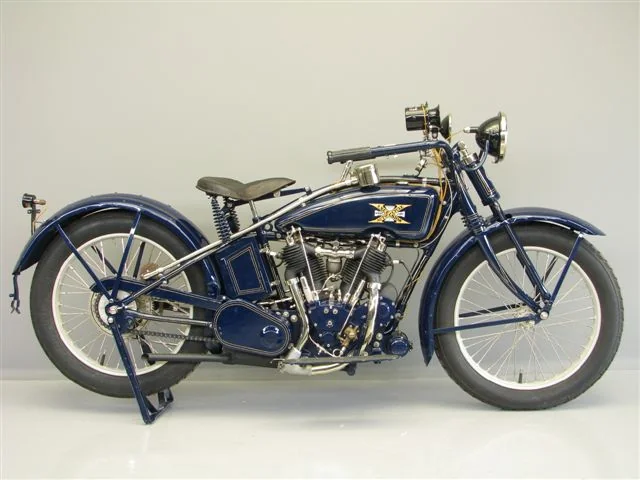
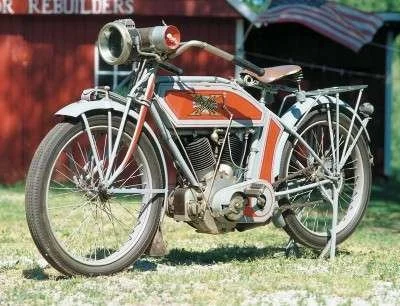
Excelsior began in Chicago in the early 1900s, evolving from bicycle roots into one of America’s first formidable motorcycle makers. Under bicycle magnate Ignaz Schwinn, the company expanded aggressively, absorbing Henderson to create the Excelsior-Henderson group and fielding a range that spanned reliable singles to fearsome big V-twins. On the boards, Excelsior factory racers and independent tuners chased speed on steep wooden velodromes, helping codify engine and chassis ideas that would define American twins for decades: robust crankcases, generous flywheels, and fueling that could survive sustained wide-open running. Street models put that know-how into handsome machines with deep tanks, stout frames, and the kind of torque that made early American roads feel smaller. The Great Depression reshaped priorities—even with competitive product, Schwinn shuttered motorcycle operations in 1931 to focus on bicycles. That abrupt exit froze the brand’s legend in amber; decades later, revival attempts—most visibly in the 1990s—traded on that romance with mixed commercial results. Historically, Excelsior matters not just for performance but for professionalism: parts catalogs, dealer networks, and a design culture that treated motorcycles as durable goods rather than experiments. Surviving bikes evoke the audacity of the brass era, when American industry built fast, elegant machines by hand and raced them under electric lights to crowds hungry for modern spectacle.