
1982
Fantic Caballero Super 6M - Specifications & Review
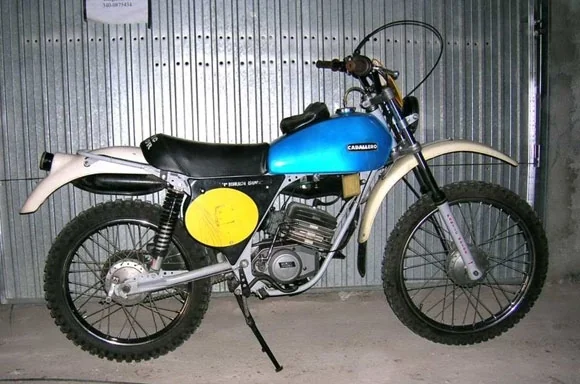
Article Complete Info
| Articleid | 246988 |
|---|---|
| Category | Enduro-offroad |
| Make | Fantic |
| Model | Caballero Super 6M |
| Year | 1982 |
Chassis, Suspension, Brakes & Wheels
| Frametype | Steel |
|---|
Engine & Transmission
| Borexstroke | 38.0 x 42.0 mm (1.5 x 1.7 inches) |
|---|---|
| Clutch | Wet plate |
| Compression | 12.0:1 |
| Coolingsystem | Air |
| Displacement | 50.00 ccm (3.05 cubic inches) |
| Enginedetails | Single cylinder, two-stroke |
| Fuelsystem | Carburettor. Dell´Orto SHB 19/19 |
| Gearbox | 6-speed |
| Power | 7.00 HP (5.1 kW)) @ 11000 RPM |
| Transmissiontypefinaldrive | Chain |
About Fantic
Country of Origin:
Italy
Founder:
Mario Agrati & Henry Keppel Hesselink
Best Known For:
1970s caballero enduros and modern enduro/scrambler revival; trials heritage
Company History
Fantic burst into global view in the late 1960s and 1970s with light, lively two-strokes—the Caballero enduro family and trials machines that taught a generation to ride off-road with finesse. Compact, peppy engines and playful chassis made them favorites across Europe, where youth licensing favored small displacement. As two-strokes faded, Fantic weathered lean years but never lost its off-road DNA. A 21st-century renaissance saw the brand return with competitive enduro platforms, street-legal scramblers that honor the Caballero name, and serious investment in trials competition. Strategic partnerships for engines and components freed Fantic to refine frames, ergonomics, and calibration—the ride feel that matters to enthusiasts. The company also embraced e-bikes, channeling chassis know-how into mountain-bike suspensions and geometry. Historically, Fantic represents Italian agility: pivoting with markets while guarding a core identity of lightness and control. Owners praise the bikes’ real-world gearing and suspension tuning, evidence that feedback from club races and gravel roads reaches the factory. The modern Caballero series distills that legacy into approachable, stylish machines that are easy to live with yet rewarding to hustle—proof that heritage can be fuel for innovation rather than an anchor to nostalgia.