
2016
Geely JL150T-43 - Specifications & Review
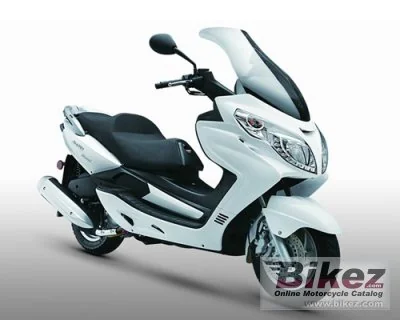
Article Complete Info
| Articleid | 152898 |
|---|---|
| Category | Scooter |
| Make | Geely |
| Model | JL150T-43 |
| Year | 2016 |
Chassis, Suspension, Brakes & Wheels
| Frontbrakes | Single disc |
|---|---|
| Fronttyre | 130/70-12 |
| Rearbrakes | Single disc |
| Reartyre | 130/70-12 |
| Seat | Dual seat |
Engine & Transmission
| Borexstroke | 57.4 x 57.8 mm (2.3 x 2.3 inches) |
|---|---|
| Compression | 9.5:1 |
| Coolingsystem | Air |
| Displacement | 149.60 ccm (9.13 cubic inches) |
| Enginedetails | Single cylinder, four-stroke |
| Gearbox | Automatic |
| Ignition | CDI |
| Power | 7.91 HP (5.8 kW)) @ 7000 RPM |
| Topspeed | 90.0 km/h (55.9 mph) |
| Torque | 9.20 Nm (0.9 kgf-m or 6.8 ft.lbs) @ 5500 RPM |
| Transmissiontypefinaldrive | Belt |
Other Specifications
| Coloroptions | White |
|---|---|
| Comments | Chinese made scooter. |
| Starter | Electric & kick |
Physical Measures & Capacities
| Dryweight | 140.0 kg (308.6 pounds) |
|---|---|
| Fuelcapacity | 10.50 litres (2.77 gallons) |
| Overallheight | 1,110 mm (43.7 inches) |
| Overalllength | 2,140 mm (84.3 inches) |
| Overallwidth | 720 mm (28.3 inches) |
| Powerweightratio | 0.0565 HP/kg |
About Geely
Country of Origin:
China
Founder:
Li Shufu
Best Known For:
Auto giant with two-wheel footprints via subsidiaries and scooter programs in domestic markets
Company History
Best known as an automotive powerhouse, Geely’s influence on two wheels comes through strategic investments, supplier ecosystems, and periodic scooter/moped initiatives for the Chinese market. As China urbanized, compact, low-emission two-wheelers filled mobility gaps; Geely and affiliated supply chains supported this with practical, emissions-compliant step-throughs and electric scooters aimed at short commutes. The company’s industrial heft—electronics, castings, and logistics—helped raise baseline quality in segments once criticized for inconsistency. More indirectly, Geely’s group strategy (including stakes in motorcycle-adjacent companies and component suppliers) rippled across Asia’s moto industry, enabling better frames, wiring, and braking at value price points. While Geely lacks the single, iconic model that defines legacy bike marques, its role is systemic: pushing standards and scale that downstream brands leverage. Historically, Geely underscores how modern two-wheel markets are shaped not only by boutique OEMs but by conglomerates whose manufacturing discipline and capital structure make reliable, affordable scooters and e-motos feasible at city-changing volumes. For riders, the result is predictable: more dependable electrics, safer braking, and clearer documentation on machines that may not carry the Geely badge yet benefit from its gravity.