
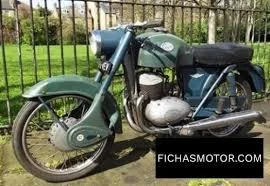
Greeves 32D Sports Twin
Years: 1956 – 1963
Greeves made its name in the 1950s–60s building remarkably light, durable trials and scrambles motorcycles that excelled in muddy British events. Bert Greeves’ hallmark was an unconventional cast-alloy beam frame and leading-link fork that absorbed punishment while keeping weight low, a competitive edge on tricky ground. Often powered by Villiers two-strokes, the bikes earned wins at home and abroad, and their mechanical simplicity endeared them to privateers who valued easy maintenance between stages. Greeves also built small-capacity roadsters, but off-road competition defined the marque’s character. As Japanese machines flooded the market with low prices and rising performance, and as trials technique evolved, the brand’s presence diminished, though periodic revivals kept the name alive among enthusiasts. Historically, Greeves stands for British ingenuity in the dirt: clever metallurgy, chassis that prioritize traction and rider feel, and a willingness to defy orthodoxies. Many surviving bikes still compete in classic events, proof that thoughtful engineering outlives fashion. For vintage riders, a tidy Greeves delivers the precise steering and tractable torque that make slippery sections feel like choreography rather than combat.