
Harley-Davidson Factory Hillclimber 1928 - Specifications & Review
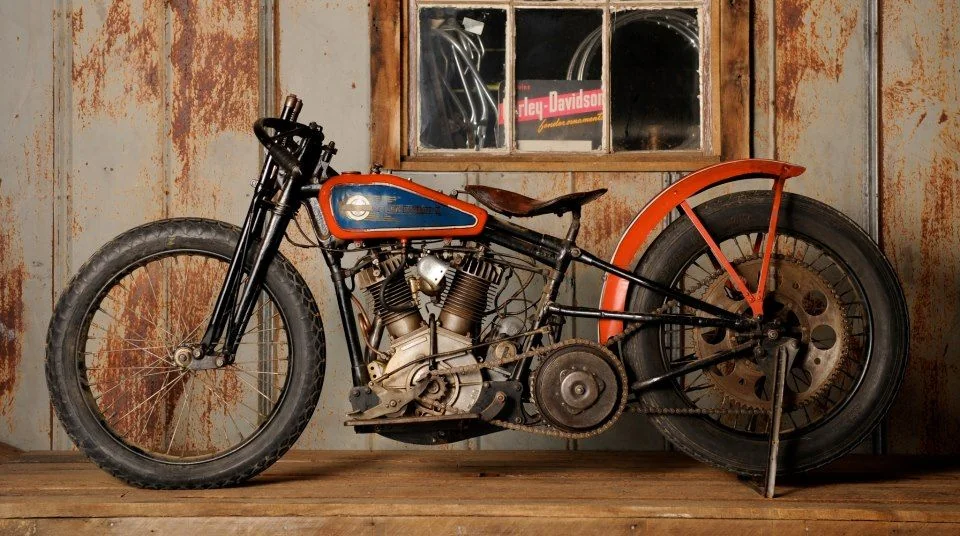
Article Complete Info
| Articleid | 635475 |
|---|---|
| Category | Enduro-offroad |
| Make | Harley-Davidson |
| Model | Factory Hillclimber |
| Year | 1928 |
Chassis, Suspension, Brakes & Wheels
| Frontsuspension | Springer fork |
|---|---|
| Rearsuspension | Rigid |
| Seat | Single seat |
Engine & Transmission
| Displacement | 1230.00 ccm (75.05 cubic inches) |
|---|---|
| Enginedetails | Twin, two-stroke |
About Harley-Davidson Factory Hillclimber 1928
1928 Harley-Davidson Factory Hillclimber: The Pioneer of Off-Road Performance
Step back in time to the roaring 1920s, an era where the motorcycle was not just a mode of transport, but a symbol of freedom and adventure. Enter the 1928 Harley-Davidson Factory Hillclimber, a motorcycle crafted specifically for the rugged terrains and steep inclines that would challenge even the most skilled riders. Positioned in the niche market of enduro-offroad motorcycles, the Hillclimber was designed to dominate the dirt tracks and hills, embodying the spirit of American ingenuity and the thrill of motorsport. Its unmistakable presence on the racecourse quickly established it as a favorite among riders seeking both performance and reliability.
At the heart of the Factory Hillclimber lies a robust 1230cc twin-cylinder, two-stroke engine that delivers an exhilarating riding experience. With its powerful displacement, the engine provides a distinctive growl that resonates through the hills, while offering impressive torque that allows for quick acceleration and climbing capabilities. The combination of the two-stroke design and the Harley-Davidson heritage ensures that the Hillclimber not only performs admirably on steep trails but also offers a lightweight feel, making it easy to maneuver through tight spots. Riders will appreciate the balance between power and control, which allows for confidence-inspiring rides whether tackling a challenging hill or navigating through rugged off-road paths.
Key features of the Factory Hillclimber include its iconic Springer fork front suspension and a rigid rear suspension, a design that reflects both the era's engineering prowess and the demands of off-road riding. The Springer fork enhances front-end stability and comfort over rocky terrain, while the rigid rear ensures a direct connection to the ground, improving traction and control. This combination allows riders to maintain their momentum while navigating obstacles, showcasing the motorcycle's ability to conquer the most daunting of trails. With its classic design and no-nonsense approach to off-road performance, the Hillclimber stands as a testament to Harley-Davidson’s commitment to pushing boundaries in motorcycle technology.
#### Pros and Cons
Pros:
- Powerful Performance: The 1230cc twin-cylinder engine delivers robust torque for climbing steep hills and navigating challenging terrains.
- Heritage Design: The combination of classic styling and durable construction offers a nostalgic appeal for vintage motorcycle enthusiasts.
- Agile Handling: The lightweight frame and responsive suspension allow for nimble maneuverability on rough trails.
Cons:
- Limited Versatility: While the Hillclimber excels in off-road conditions, it may not perform as well on paved roads compared to modern dual-sport motorcycles.
- Basic Suspension: The rigid rear suspension can be less forgiving on rougher terrains, leading to a harsher ride compared to contemporary systems.
- Maintenance Needs: As a vintage motorcycle, finding replacement parts and maintaining the engine may require specialized knowledge and resources.
In essence, the 1928 Harley-Davidson Factory Hillclimber is not just a motorcycle; it’s a piece of history that captures the essence of American motorcycling adventure. Its blend of rugged performance and classic styling continues to captivate enthusiasts, making it a cherished collectible and a thrilling ride for those daring enough to tackle the great outdoors.