
Harley-Davidson Model JD 1925 - Specifications & Review
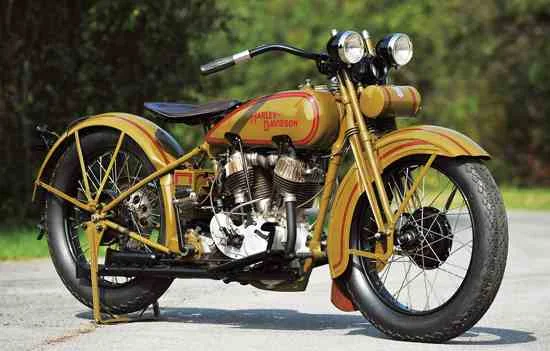
Article Complete Info
| Articleid | 691921 |
|---|---|
| Category | Allround |
| Make | Harley-Davidson |
| Model | Model JD |
| Year | 1925 |
Chassis, Suspension, Brakes & Wheels
| Fronttyre | 3-26 |
|---|---|
| Rearbrakes | Expanding brake (drum brake) |
| Reartyre | 3-23 |
| Seat | Single |
| Wheels | Spoked |
Engine & Transmission
| Borexstroke | 86.9 x 101.6 mm (3.4 x 4.0 inches) |
|---|---|
| Displacement | 1208.00 ccm (73.71 cubic inches) |
| Enginedetails | V2, four-stroke |
| Fuelsystem | Carburettor |
| Ignition | H.D generator |
| Power | 12.00 HP (8.8 kW)) |
| Topspeed | 136.8 km/h (85.0 mph) |
| Transmissiontypefinaldrive | Chain |
Physical Measures & Capacities
| Dryweight | 166.0 kg (366.0 pounds) |
|---|---|
| Powerweightratio | 0.0723 HP/kg |
About Harley-Davidson Model JD 1925
Introducing the 1925 Harley-Davidson Model JD
Step back in time to the roaring twenties, a period defined by innovation and a thirst for adventure, and meet the 1925 Harley-Davidson Model JD. This motorcycle epitomizes the spirit of its era, embodying the rugged charm and raw power that Harley-Davidson is renowned for. Positioned as an allround motorcycle, the JD was designed to appeal to a broad spectrum of riders, from those seeking leisurely rides to the more spirited enthusiasts eager to conquer the open road. The Model JD is not just a bike; it's a piece of history that remains a favorite among collectors and vintage motorcycle enthusiasts today.
Engine Performance and Riding Characteristics
At the heart of the Model JD lies a robust 1208 cc V2, four-stroke engine that delivers a modest yet spirited 12 horsepower. This powerplant, with its bore and stroke measurements of 86.9 mm by 101.6 mm, allows for a thrilling top speed of 136.8 km/h (85.0 mph). While it may not rival the high-performance machines of today, the JD offers an engaging riding experience characterized by its smooth power delivery and distinctive V-twin rumble. The chain final drive ensures efficient power transfer to the rear wheel, providing a responsive ride that perfectly complements the motorcycle's classic styling. Riders can appreciate the simplicity and reliability of its carburettor fuel system and H.D. generator ignition, both hallmarks of Harley-Davidson engineering.
Key Features and Technology
The 1925 Harley-Davidson Model JD is not merely a mechanical marvel; it's a testament to the era's engineering prowess. One standout feature is its expanding brake system, a drum brake design that enhances stopping power, providing an essential safety measure for the rider. With a weight of just 166 kg (366 pounds), the JD boasts an impressive power-to-weight ratio of 0.0723 HP/kg, making it surprisingly agile for its time. The combination of traditional styling elements and innovative features creates an iconic motorcycle that captures the essence of freedom and rebellion associated with the Harley-Davidson brand.
Pros and Cons
Pros:
- Classic Design: The Model JD showcases timeless styling that appeals to vintage motorcycle enthusiasts and collectors alike.
- Engaging Ride: The V2 engine delivers a unique riding experience with its characteristic sound and smooth power delivery.
- Historical Significance: Owning a Model JD connects riders with the rich heritage of Harley-Davidson and the early days of motorcycling.
Cons:
- Limited Power: With only 12 HP, the Model JD may feel underpowered compared to modern motorcycles, especially on highways.
- Basic Technology: Riders accustomed to contemporary features may find the lack of advanced technologies such as disc brakes or fuel injection limiting.
- Maintenance Needs: Vintage motorcycles require more frequent and specialized maintenance, which can be a challenge for the uninitiated.
In conclusion, the 1925 Harley-Davidson Model JD is a captivating blend of history, engineering, and style. It offers an authentic riding experience that echoes the spirit of its time, making it a cherished gem for those who appreciate the legacy of motorcycling.