
Harley-Davidson Model W Sport Twin 1923 - Specifications & Review
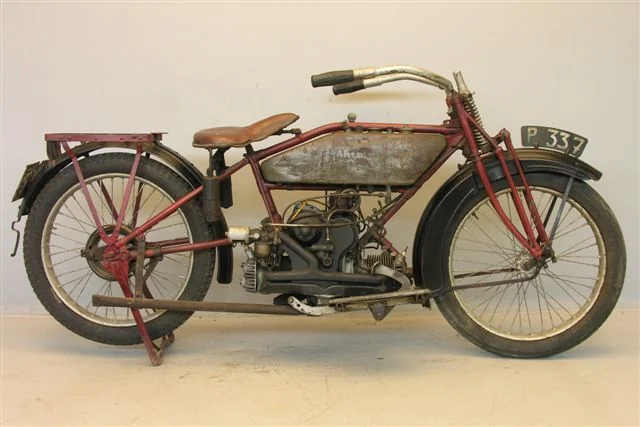
Article Complete Info
| Articleid | 616624 |
|---|---|
| Category | Allround |
| Make | Harley-Davidson |
| Model | Model W Sport Twin |
| Year | 1923 |
Chassis, Suspension, Brakes & Wheels
| Fronttyre | 3-26 |
|---|---|
| Reartyre | 3-26 |
| Seat | Solo seat with springs |
| Wheels | Spoked |
Engine & Transmission
| Borexstroke | 69.8 x 96.8 mm (2.7 x 3.8 inches) |
|---|---|
| Compression | 5.8:1 |
| Displacement | 584.00 ccm (35.64 cubic inches) |
| Enginedetails | Two cylinder boxer, four-stroke |
| Fuelsystem | Carburettor |
| Ignition | HD Generator |
| Transmissiontypefinaldrive | Shaft drive (cardan) |
Physical Measures & Capacities
| Dryweight | 113.0 kg (249.1 pounds) |
|---|
About Harley-Davidson Model W Sport Twin 1923
1923 Harley-Davidson Model W Sport Twin: A Timeless Classic
The 1923 Harley-Davidson Model W Sport Twin stands as a testament to the early American motorcycle spirit, combining robust engineering with a dash of vintage charm. Positioned as an allround motorcycle, the Model W was designed to cater to a variety of riding experiences, appealing to both casual riders and more adventurous souls. This model emerged during a transformative era for motorcycling, when enthusiasts began to seek machines that not only provided transportation but also offered an exhilarating ride. With its classic Harley branding, the Model W quickly became a symbol of freedom on two wheels.
At the heart of the Model W is a powerful two-cylinder boxer engine, boasting a displacement of 584 cc (35.64 cubic inches). This four-stroke powerhouse generates a solid performance with a compression ratio of 5.8:1, delivering a smooth and responsive ride. The bore and stroke dimensions of 69.8 mm x 96.8 mm (2.7 x 3.8 inches) ensure that the engine provides ample torque for navigating both city streets and open roads. Coupled with a carburettor and an HD generator ignition system, the Model W offers a reliable and efficient riding experience. The shaft drive (cardan) final drive system further enhances the smoothness of power delivery, making this motorcycle a pleasure to ride for both new and seasoned enthusiasts.
The 1923 Harley-Davidson Model W Sport Twin is loaded with features that exemplify the engineering prowess of its time. Its lightweight frame, weighing in at just 113 kg (249.1 pounds), allows for nimble handling and easy maneuverability. The design reflects a commitment to durability and performance, with a robust chassis that can withstand the rigors of everyday riding. The vintage aesthetics, including the classic Harley logo and streamlined body lines, evoke a sense of nostalgia, making it a coveted piece for collectors and motorcycle aficionados alike. Whether cruising down a country road or displaying it at a vintage motorcycle show, the Model W is sure to turn heads.
Pros:
- Timeless Design: The classic aesthetics and historical significance of the Model W make it a standout collector’s item.
- Smooth Ride: The boxer engine configuration, combined with the shaft drive, provides a smooth and stable ride, ideal for both city commuting and leisurely rides.
- Lightweight Frame: Weighing just 113 kg allows for excellent maneuverability, making it accessible for riders of all skill levels.
Cons:
- Limited Speed: While it offers a respectable performance for its time, the top speed may not satisfy those looking for modern highway cruising capabilities.
- Basic Technology: The lack of modern features such as disc brakes and advanced suspension systems may limit comfort and safety compared to contemporary motorcycles.
- Fuel Efficiency: The carburettor system, while classic, may not provide the fuel efficiency that modern riders expect, especially on longer journeys.
In summary, the 1923 Harley-Davidson Model W Sport Twin is not just a motorcycle; it’s a piece of history that embodies the spirit of the open road. With its compelling blend of performance, style, and nostalgia, it invites riders to experience the joy of motorcycling as it was meant to be enjoyed.