
Harley-Davidson Sport Twin 1920 - Specifications & Review
Article Complete Info
| Articleid | 345711 |
|---|---|
| Category | Sport |
| Make | Harley-Davidson |
| Model | Sport Twin |
| Year | 1920 |
Chassis, Suspension, Brakes & Wheels
| Frametype | Tubular steel |
|---|---|
| Frontsuspension | Trailing link with single downtube |
| Fronttyre | 3-26 |
| Rearsuspension | Rigid |
| Reartyre | 3-26 |
Engine & Transmission
| Borexstroke | 69.9 x 76.2 mm (2.8 x 3.0 inches) |
|---|---|
| Clutch | Three speed |
| Compression | 3.8:1 |
| Coolingsystem | Air |
| Displacement | 589.97 ccm (36.00 cubic inches) |
| Enginedetails | Twin, four-stroke |
| Fuelsystem | Carburettor |
| Ignition | Magneto |
| Transmissiontypefinaldrive | Chain |
Physical Measures & Capacities
| Dryweight | 120.0 kg (264.6 pounds) |
|---|---|
| Fuelcapacity | 10.00 litres (2.64 gallons) |
About Harley-Davidson Sport Twin 1920
Introducing the 1920 Harley-Davidson Sport Twin
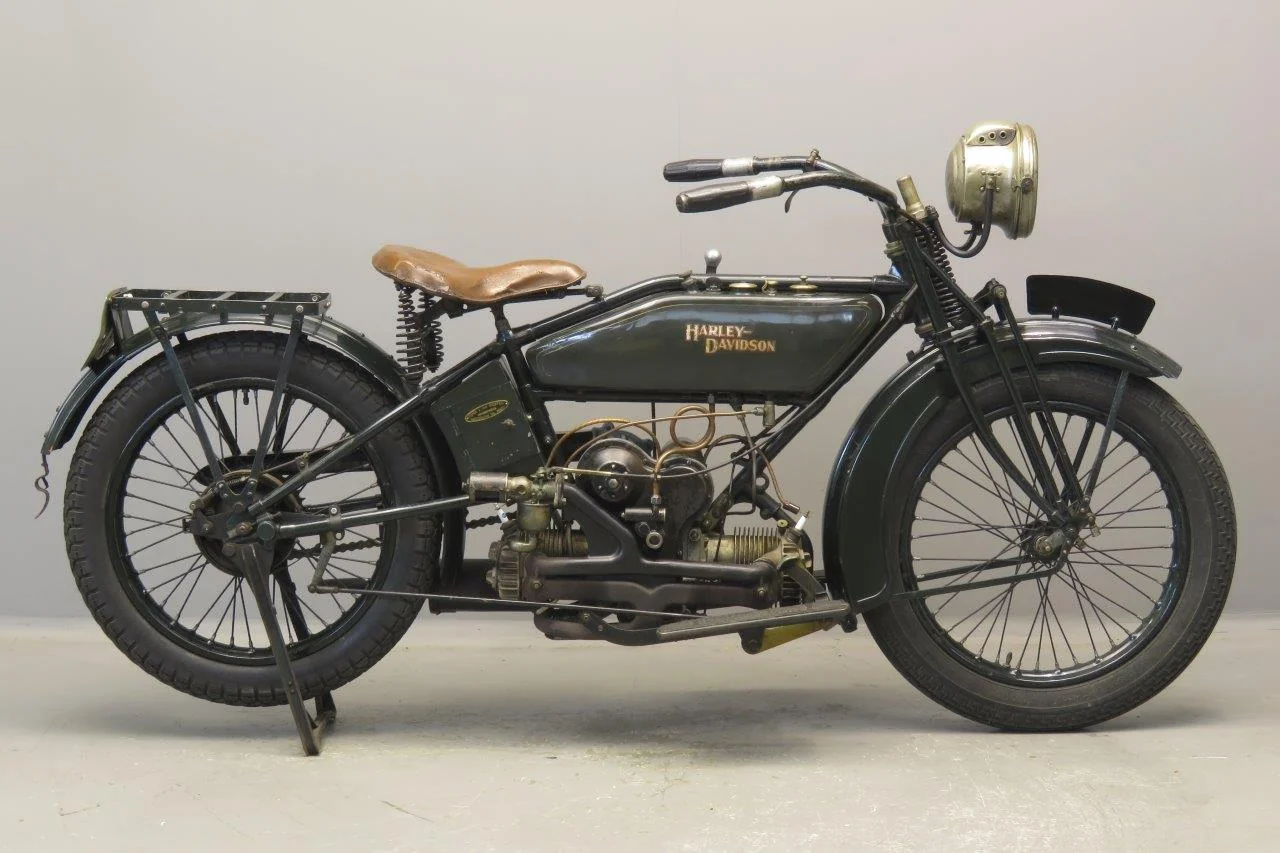
The 1920 Harley-Davidson Sport Twin is a remarkable piece of motorcycle history that captures the essence of early 20th-century American engineering. Positioned within the sport category, this motorcycle was designed for riders who craved agility and speed, setting the stage for future generations of performance bikes. With its sleek lines and iconic styling, the Sport Twin not only represented a leap forward in motorcycle design but also showcased Harley-Davidson's commitment to innovation and quality. Aimed at the budding sport-touring enthusiast, this model became a symbol of freedom and adventure in a time when the open road was beginning to beckon.
At the heart of the Sport Twin lies a robust 589.97cc twin-cylinder, four-stroke engine that delivers a thrilling riding experience. With a compression ratio of 3.8:1 and a bore and stroke of 69.9 x 76.2 mm, this engine produces just enough power to make the ride exhilarating without compromising control. The air-cooled engine utilizes a carburettor and magneto ignition system, ensuring reliable starts and efficient fuel delivery. Riders will appreciate the three-speed clutch transmission that offers seamless shifting, allowing for a smooth transition through gears as they navigate both open highways and twisty backroads. Weighing in at a modest 120 kg (264.6 pounds), the Sport Twin is light enough to enhance maneuverability while providing a sturdy feel on the road.
The 1920 Sport Twin boasts a number of key features that highlight its advanced engineering for the time. Its tubular steel frame offers a balance of strength and flexibility, while the trailing link front suspension with a single downtube provides stability and control. The rear suspension is rigid, contributing to the bike's solid feel on the road. With a fuel capacity of 10 liters (2.64 gallons), riders can enjoy extended rides without frequent stops for refueling. The combination of classic design and functional technology makes the Sport Twin an exceptional motorcycle that appeals to collectors and enthusiasts alike.
Pros:
- Vintage Appeal: The classic styling and heritage of the Harley-Davidson brand make the Sport Twin a prized possession for vintage motorcycle collectors.
- Lightweight Design: At just 120 kg, this motorcycle is nimble and easy to handle, making it suitable for both experienced and novice riders.
- Reliable Engine Performance: The twin-cylinder engine delivers a satisfying riding experience with dependable power and torque for its size.
Cons:
- Limited Speed and Power: While impressive for its era, the Sport Twin's engine output may feel underwhelming compared to modern motorcycles.
- Rigid Rear Suspension: The lack of rear suspension can lead to a harsher ride on uneven surfaces, which may not be ideal for long-distance journeys.
- Basic Technology: The motorcycle's simple design and technology may lack modern conveniences that many riders have come to expect, such as advanced braking systems or electronic ignition.
In summary, the 1920 Harley-Davidson Sport Twin is not just a motorcycle; it’s a journey back to a time when the spirit of adventure was alive and well, making it an enduring icon in the world of motorcycling.