
Honda CB 750 F 1973 - Specifications & Review
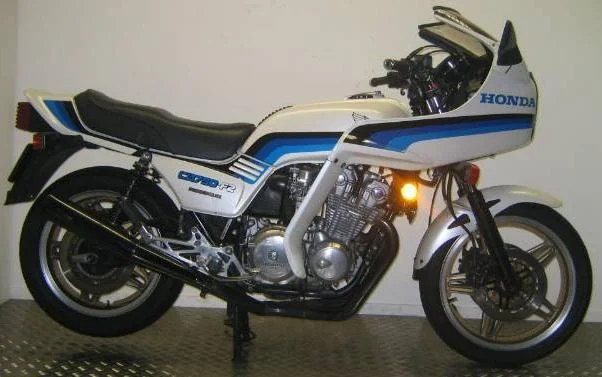
Article Complete Info
| Articleid | 225588 |
|---|---|
| Category | Naked bike |
| Make | Honda |
| Model | CB 750 F |
| Year | 1973 |
Chassis, Suspension, Brakes & Wheels
| Frontbrakes | Single disc |
|---|---|
| Fronttyre | 3.25-19 |
| Rearbrakes | Expanding brake |
| Reartyre | 4.00-18 |
Engine & Transmission
| Borexstroke | 61.0 x 63.0 mm (2.4 x 2.5 inches) |
|---|---|
| Compression | 9.0:1 |
| Coolingsystem | Air |
| Displacement | 736.00 ccm (44.91 cubic inches) |
| Enginedetails | In-line four, four-stroke |
| Gearbox | 5-speed |
| Power | 67.00 HP (48.9 kW)) @ 8000 RPM |
| Topspeed | 190.0 km/h (118.1 mph) |
| Transmissiontypefinaldrive | Chain |
| Valvespercylinder | 2 |
Physical Measures & Capacities
| Fuelcapacity | 18.00 litres (4.76 gallons) |
|---|---|
| Weightincloilgasetc | 235.0 kg (518.1 pounds) |
About Honda CB 750 F 1973
1973 Honda CB 750 F: The Birth of a Legend
In the early 1970s, the motorcycle world was about to witness a revolution, and the 1973 Honda CB 750 F was at the forefront of that change. Often hailed as the original superbike, the CB 750 F emerged in a market that was hungry for power, performance, and innovation. With its naked bike design, the Honda CB 750 F catered to both seasoned riders and newcomers alike, seamlessly blending style with substance. It not only established Honda as a dominant force in the motorcycle industry but also set the stage for the performance bikes that followed.
At the heart of the CB 750 F lies a robust 736cc in-line four engine, a marvel of engineering that produces an impressive 67 horsepower at 8,000 RPM. This power translates to exhilarating performance, allowing the bike to reach a top speed of 190 km/h (118 mph). The four-stroke configuration, coupled with a 9.0:1 compression ratio, provides a smooth yet potent delivery of power, making it a joy to ride on both city streets and open highways. The 5-speed gearbox offers precise shifting, while the air cooling system keeps the engine running optimally, even during spirited rides. With a weight of 235 kg (518 lbs), the CB 750 F strikes an ideal balance between agility and stability, making it a versatile companion for various riding styles.
The Honda CB 750 F is packed with features that were groundbreaking for its time. It showcases a single front disc brake, which offers enhanced stopping power and responsiveness, a revolutionary upgrade over traditional drum brakes. The rear expanding brake complements the front, ensuring reliable stopping capability. Its sleek design is complemented by an 18-liter fuel tank, providing ample range for long-distance rides. Additionally, the bike's clean lines and minimalist aesthetics resonate with the classic motorcycle enthusiasts, ensuring that it remains a coveted piece of history in the eyes of collectors and riders alike.
#### Pros and Cons of the 1973 Honda CB 750 F
Pros:
- Powerful Engine: The 736cc in-line four engine delivers impressive horsepower, making it suitable for both spirited rides and long-distance cruising.
- Innovative Braking System: The single front disc brake was a technological leap at the time, enhancing safety and control during rides.
- Classic Appeal: Its timeless design and historical significance make it a favorite among vintage motorcycle collectors and enthusiasts.
Cons:
- Weight: At 235 kg (518 lbs), it may feel heavy to some riders, especially those new to motorcycles or looking for lighter options.
- Limited Technology: Compared to modern motorcycles, the CB 750 F lacks advanced features such as electronic aids or modern suspension systems.
- Fuel Economy: While it offers good performance, the fuel consumption can be less efficient compared to contemporary bikes, which may require more frequent refueling during long rides.
The 1973 Honda CB 750 F is more than just a motorcycle; it's a symbol of an era marked by innovation and freedom on two wheels. Whether you're a seasoned rider or a nostalgic enthusiast, the CB 750 F continues to captivate with its rich heritage and enduring performance.