
Honda XL 250 1974 - Specifications & Review
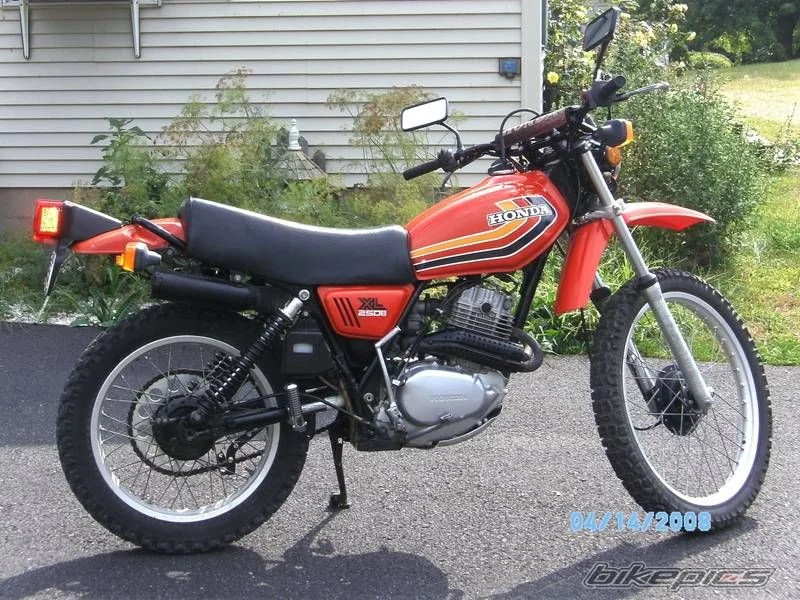
Article Complete Info
| Articleid | 529683 |
|---|---|
| Category | Enduro-offroad |
| Make | Honda |
| Model | XL 250 |
| Year | 1974 |
Chassis, Suspension, Brakes & Wheels
| Frontbrakes | Expanding brake |
|---|---|
| Fronttyre | 2.15-21 |
| Rearbrakes | Expanding brake |
| Reartyre | 4.00-18 |
Engine & Transmission
| Borexstroke | 74.0 x 57.8 mm (2.9 x 2.3 inches) |
|---|---|
| Compression | 9.1:1 |
| Coolingsystem | Air |
| Displacement | 248.00 ccm (15.13 cubic inches) |
| Enginedetails | Single cylinder, four-stroke |
| Gearbox | 5-speed |
| Power | 20.00 HP (14.6 kW)) @ 7700 RPM |
| Topspeed | 120.0 km/h (74.6 mph) |
| Transmissiontypefinaldrive | Chain |
| Valvespercylinder | 4 |
Physical Measures & Capacities
| Fuelcapacity | 8.00 litres (2.11 gallons) |
|---|---|
| Weightincloilgasetc | 148.0 kg (326.3 pounds) |
About Honda XL 250 1974
1974 Honda XL 250: The Enduro Trailblazer
Introducing the 1974 Honda XL 250, a quintessential example of Honda's pioneering spirit in the enduro-offroad motorcycle category. Launched during an era when off-road riding was gaining traction, the XL 250 was designed to cater to adventurous spirits looking for a reliable machine that could conquer both rugged trails and city streets. With a blend of robust performance and user-friendly handling, this motorcycle quickly carved out a dedicated following among enthusiasts who appreciated its versatility and off-road capabilities.
At the heart of the XL 250 is a spirited 248cc single-cylinder, four-stroke engine that delivers an impressive 20 horsepower at 7,700 RPM. This powertrain, paired with a 5-speed gearbox and a chain final drive, allows the bike to reach a top speed of 120 km/h (74.6 mph)—a thrilling experience for riders. The bike’s air-cooled engine features a compression ratio of 9.1:1 and a bore and stroke of 74 x 57.8 mm, ensuring a responsive performance that excels in varied terrains. Riders will appreciate the smooth power delivery and the confidence that comes from the XL 250's lightweight construction, tipping the scales at just 148 kg (326.3 lbs) with fluids included. Whether navigating tight trails or cruising on open roads, the XL 250 offers an engaging ride that keeps the adrenaline flowing.
Equipped with expanding brakes at both the front and rear, the XL 250 provides reliable stopping power, essential for off-road riding. Its 8-litre fuel tank, accommodating 2.11 gallons, strikes a perfect balance between weight and range, ensuring that riders can venture further without frequent stops for refueling. The bike’s design also emphasizes ease of maintenance, making it a practical choice for those who like to tinker and keep their machines in peak condition. With its rugged frame and dependable suspension, the XL 250 is built to handle the bumps and jolts of enduro riding, giving riders the confidence to tackle any challenge.
#### Pros and Cons of the 1974 Honda XL 250
Pros:
- Versatile Performance: The combination of a powerful engine and lightweight design makes it ideal for both off-road adventures and urban commuting.
- User-Friendly Handling: Its manageable weight and responsive power make it suitable for riders of various skill levels, from beginners to seasoned veterans.
- Durable Build: Honda’s reputation for reliability shines through, as the XL 250 is built to withstand the rigors of off-road conditions.
Cons:
- Limited Speed: While it can reach a respectable top speed, it may not satisfy those looking for high-speed performance on highways.
- Basic Suspension: The suspension, while functional, may not provide the level of sophistication and adjustability that modern riders expect.
- Fuel Capacity: At 8 litres, the fuel tank may require more frequent refueling during long-distance rides, especially on more remote trails.
In summary, the 1974 Honda XL 250 remains a beloved classic among motorcycle enthusiasts, balancing practicality with adventure-ready performance, making it a timeless icon in the world of enduro motorcycles.