
2004
Hyosung GV 1000 Cruiser - Specifications & Review
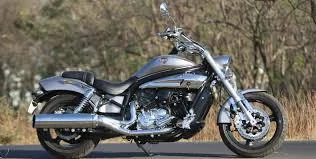
Article Complete Info
| Articleid | 542799 |
|---|---|
| Category | Custom-cruiser |
| Make | Hyosung |
| Model | GV 1000 Cruiser |
| Year | 2004 |
Chassis, Suspension, Brakes & Wheels
| Frontbrakes | Double disc |
|---|---|
| Fronttyre | 120/70-ZR18 |
| Rearbrakes | Single disc |
| Reartyre | 200/70-ZR17 |
Engine & Transmission
| Coolingsystem | Liquid |
|---|---|
| Displacement | 995.00 ccm (60.71 cubic inches) |
| Enginedetails | V2, four-stroke |
| Gearbox | 6-speed |
| Transmissiontypefinaldrive | Belt |
| Valvespercylinder | 4 |
Physical Measures & Capacities
| Dryweight | 240.0 kg (529.1 pounds) |
|---|---|
| Fuelcapacity | 15.00 litres (3.96 gallons) |
| Groundclearance | 140 mm (5.5 inches) |
| Overallheight | 1,120 mm (44.1 inches) |
| Overalllength | 2,427 mm (95.6 inches) |
| Overallwidth | 865 mm (34.1 inches) |
About Hyosung
Country of Origin:
South Korea
Founder:
Hyosung Motors & Machinery Inc.
Best Known For:
Affordable 125–650 cc commuters and V-twin sportbikes; strong parts value
Company History
Hyosung scaled up in the 1990s–2000s with simple, honest motorcycles that punched above their price: carbureted then EFI 250/650 V-twins, learner-friendly nakeds, and campus-ready commuters. The GT250R/GT650 lines offered real ergonomics and highway ability where rivals delivered only starters. Global distributors—some under re-badges—made parts accessible and built training for independent shops. Fit and finish trailed Japanese benchmarks early on, but steady improvements in fueling, brake components, and wiring narrowed the gap for everyday use. Hyosung’s role in many markets was pivotal: a new, warrantied bike for the cost of a tired used one, with performance sufficient for real commuting and first tours. Historically, Hyosung normalized Korean competence in motorcycles much as Kia/Hyundai did in cars—value without apology. In the used market, well-kept Hyosungs remain smart buys for riders who prioritize function and low running costs over showroom drama.