
James Comet 1958 - Specifications & Review
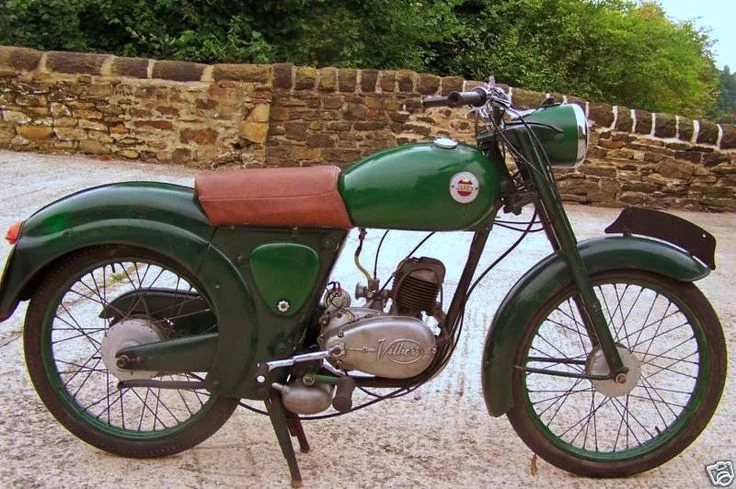
Article Complete Info
| Articleid | 507738 |
|---|---|
| Category | Naked bike |
| Make | James |
| Model | Comet |
| Year | 1958 |
Chassis, Suspension, Brakes & Wheels
| Frametype | Single cradle |
|---|---|
| Frontbrakes | Expanding brake (drum brake) |
| Frontsuspension | Hydralic telescopic forks |
| Rearbrakes | Expanding brake (drum brake) |
Engine & Transmission
| Borexstroke | 47.0 x 57.0 mm (1.9 x 2.2 inches) |
|---|---|
| Coolingsystem | Air |
| Displacement | 98.00 ccm (5.98 cubic inches) |
| Enginedetails | Single cylinder, two-stroke |
| Fuelsystem | Carburettor |
| Ignition | Magneto |
| Lubricationsystem | Wet sump |
| Transmissiontypefinaldrive | Chain |
Physical Measures & Capacities
| Dryweight | 75.0 kg (165.3 pounds) |
|---|---|
| Fuelcapacity | 10.20 litres (2.69 gallons) |
About James Comet 1958
Introducing the 1958 James Comet: A Classic Naked Bike Experience
Step back in time to 1958, a pivotal year in the world of motorcycles, and meet the James Comet—a charming naked bike that effortlessly embodies the spirit of post-war British engineering. Aimed at riders who value simplicity and performance, the Comet carved its niche in the market as an accessible and delightful machine. With its lightweight design and straightforward mechanics, this motorcycle appeals to both novice riders and seasoned enthusiasts who appreciate the nostalgia of classic two-wheeled transportation.
Engine Performance and Riding Characteristics
At the heart of the James Comet is its spirited 98cc single-cylinder, two-stroke engine, which delivers a unique riding experience that blends agility and responsiveness. The engine's bore and stroke measurements of 47.0 x 57.0 mm ensure a lively performance, while the carburettor-fed fuel system provides a steady stream of power. With a weight of just 75 kg (165.3 pounds), this bike is incredibly nimble, making it perfect for navigating tight corners and bustling city streets. The magneto ignition and air cooling keep the engine running smoothly, allowing riders to enjoy spirited rides without the worry of overheating. The chain final drive ensures efficient power delivery, providing an exhilarating ride that's both fun and engaging.
Key Features and Technology
The James Comet showcases a design that prioritizes functionality and ease of use. Its single cradle frame offers excellent stability, while the hydraulic telescopic front forks enhance comfort on uneven surfaces. The drum brakes—both front and rear—provide reliable stopping power, though they require a gentle hand in comparison to modern disc brakes. With a fuel capacity of 10.20 liters (2.69 gallons), the Comet is well-suited for city commuting or leisurely countryside rides. Its straightforward mechanics and minimalistic design make it a favorite among DIY enthusiasts, who relish the opportunity to tinker and maintain this classic bike.
Pros and Cons of the 1958 James Comet
Pros:
- Lightweight and Nimble: At just 75 kg, the Comet allows for agile handling and easy maneuverability, perfect for urban riding.
- Classic Aesthetics: The vintage styling is a head-turner, making it an appealing choice for those passionate about classic motorcycles.
- Simplicity in Maintenance: With its uncomplicated mechanics, the Comet is easy to work on, making it a great option for DIY enthusiasts.
Cons:
- Limited Power: The 98cc engine may not satisfy those seeking high-speed performance or long-distance touring capabilities.
- Braking Performance: Drum brakes, while reliable, may feel less responsive compared to modern disc systems, requiring careful modulation.
- Comfort Limitations: With a minimalist design, longer rides may become uncomfortable for some riders, especially on rougher roads.
In summary, the 1958 James Comet is a delightful blend of classic charm and practical functionality. It appeals to motorcycle enthusiasts who appreciate the beauty of simplicity and the thrill of a lightweight ride.