
Laverda 1000 1972 - Specifications & Review
Article Complete Info
| Articleid | 298802 |
|---|---|
| Category | Classic |
| Make | Laverda |
| Model | 1000 |
| Year | 1972 |
Chassis, Suspension, Brakes & Wheels
| Frontbrakes | Expanding brake |
|---|---|
| Fronttyre | 4.10-18 |
| Rearbrakes | Expanding brake |
| Reartyre | 4.25-18 |
Engine & Transmission
| Borexstroke | 75.0 x 74.0 mm (3.0 x 2.9 inches) |
|---|---|
| Compression | 9.0:1 |
| Coolingsystem | Air |
| Displacement | 980.00 ccm (59.80 cubic inches) |
| Enginedetails | In-line three, four-stroke |
| Gearbox | 5-speed |
| Power | 78.00 HP (56.9 kW)) @ 7750 RPM |
| Topspeed | 209.0 km/h (129.9 mph) |
| Transmissiontypefinaldrive | Chain |
| Valvespercylinder | 2 |
Physical Measures & Capacities
| Fuelcapacity | 17.50 litres (4.62 gallons) |
|---|---|
| Weightincloilgasetc | 243.0 kg (535.7 pounds) |
About Laverda 1000 1972
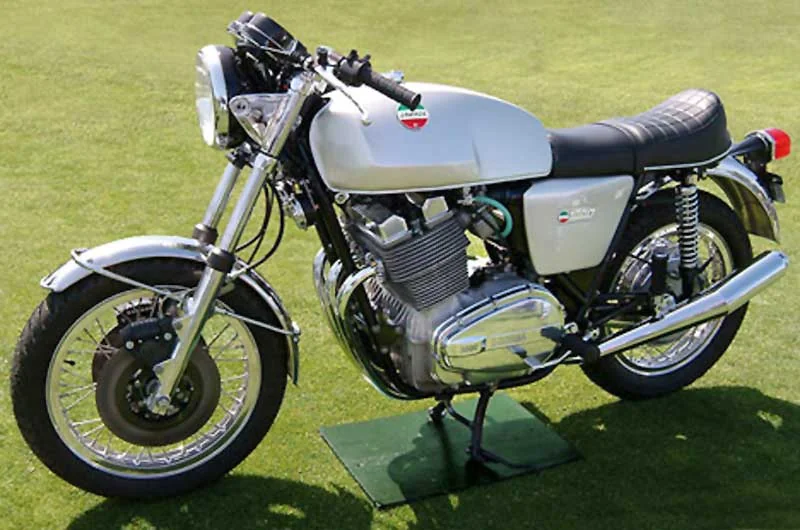
Introducing the 1972 Laverda 1000, a striking icon in the world of classic motorcycles that perfectly encapsulates the spirit of the early '70s. As Laverda's flagship model, this motorcycle was designed to carve a niche in the burgeoning segment of sport-touring bikes, blending performance with a touch of Italian flair. With its bold lines and rich history, the Laverda 1000 quickly earned a reputation among enthusiasts as a powerful and reliable machine that could comfortably tackle long-distance journeys while still delivering an exhilarating ride.
At the heart of the Laverda 1000 lies a robust 980cc in-line three-cylinder engine, a unique configuration that sets it apart from its contemporaries. Producing a commendable 78 horsepower at 7,750 RPM, this four-stroke powerhouse boasts a thrilling top speed of 129.9 mph, making it a serious contender on both the open road and racetracks. The engine's 9.0:1 compression ratio, coupled with a well-matched 5-speed gearbox, ensures that riders experience smooth power delivery across all speeds. With air cooling keeping things manageable, the Laverda 1000 provides a delightful balance of performance and reliability that has stood the test of time.
Beyond mere performance, the Laverda 1000 is equipped with features that reflect the innovative spirit of its era. Its sturdy chassis is paired with reliable expanding brakes at both the front and rear, ensuring confident stopping power when the need arises. The motorcycle's generous fuel capacity of 17.5 liters means that riders can embark on longer adventures without frequent refueling stops. Weighing in at 243 kg (535.7 lbs), the bike's build feels solid yet nimble, offering a satisfying riding experience whether navigating city streets or winding country roads.
As with any classic machine, the Laverda 1000 has its strengths and weaknesses. Here are three pros and cons to consider:
PROS:
- Unique Engine Design: The in-line three-cylinder engine provides a distinctive character and smooth power delivery that distinguishes it from traditional twin and four-cylinder models.
- Robust Performance: With a top speed of 129.9 mph and 78 HP, this bike is capable of thrilling rides and long-distance touring, making it a versatile choice for enthusiasts.
- Classic Aesthetic: The Laverda 1000's iconic styling captures the essence of 1970s motorcycles, appealing to collectors and those who appreciate vintage design.
CONS:
- Weight: At 243 kg, the bike may feel heavy for some riders, particularly in tight turns or low-speed maneuvers.
- Limited Parts Availability: As a classic motorcycle, sourcing parts can be challenging, making maintenance and repairs potentially more complicated.
- Braking Performance: While the expanding brakes provide adequate stopping power, they may not meet the expectations of modern riders accustomed to more advanced braking systems.
In summary, the 1972 Laverda 1000 is not just a motorcycle; it’s a slice of history that embodies the passion and innovation of an era. For those who appreciate a classic ride with a unique character, the Laverda 1000 remains a compelling choice that continues to capture the hearts of motorcycle enthusiasts worldwide.