
MV Agusta 1000 Ago 1981 - Specifications & Review
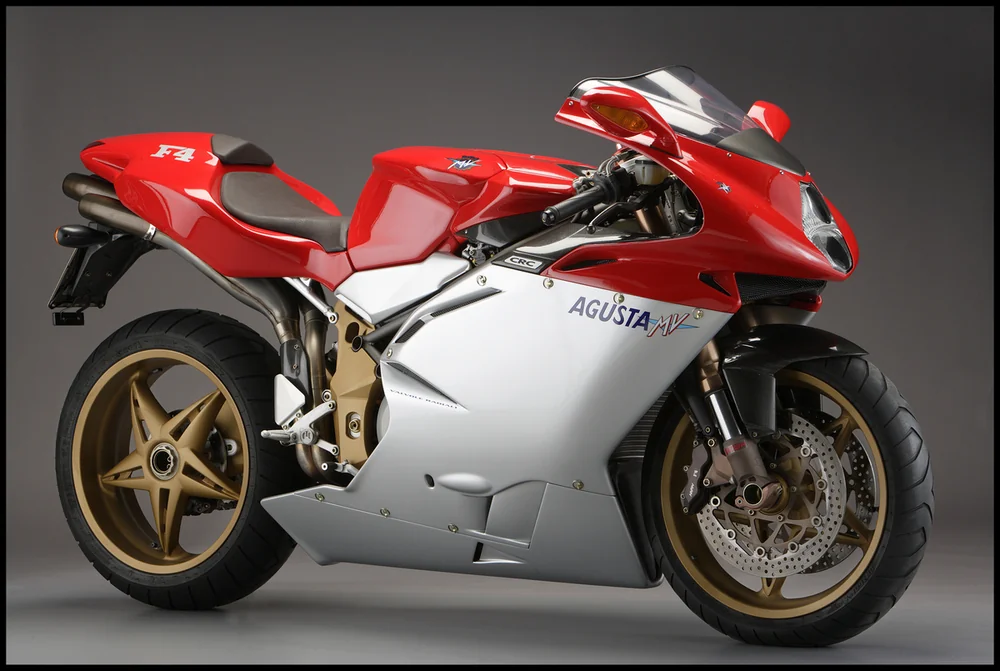
Article Complete Info
| Articleid | 98290 |
|---|---|
| Category | Sport |
| Make | MV Agusta |
| Model | 1000 Ago |
| Year | 1981 |
Chassis, Suspension, Brakes & Wheels
| Frontbrakes | Dual disc |
|---|---|
| Fronttyre | 3.50-18 |
| Rearbrakes | Single disc |
| Reartyre | 4.00-18 |
Engine & Transmission
| Borexstroke | 70.0 x 62.0 mm (2.8 x 2.4 inches) |
|---|---|
| Compression | 10.5:1 |
| Coolingsystem | Air |
| Displacement | 954.00 ccm (58.21 cubic inches) |
| Enginedetails | In-line four, four-stroke |
| Gearbox | 5-speed |
| Power | 99.00 HP (72.3 kW)) @ 9500 RPM |
| Topspeed | 221.0 km/h (137.3 mph) |
| Transmissiontypefinaldrive | Chain |
| Valvespercylinder | 2 |
Physical Measures & Capacities
| Fuelcapacity | 26.00 litres (6.87 gallons) |
|---|---|
| Weightincloilgasetc | 228.0 kg (502.7 pounds) |
About MV Agusta 1000 Ago 1981
1981 MV Agusta 1000 Ago: A Timeless Classic
The 1981 MV Agusta 1000 Ago stands as a testament to the Italian manufacturer's rich heritage in the world of motorsports. Positioned firmly in the sport category, the 1000 Ago is not just a motorcycle; it's a rolling piece of art that embodies the spirit of racing and the passion for performance. With its unmistakable styling and a lineage deeply rooted in competitive history, this machine captures the hearts of motorcycle enthusiasts and collectors alike. Designed to pay homage to the legendary Giacomo Agostini, the bike is as much about legacy as it is about exhilarating rides on winding roads or racetracks.
At the heart of this iconic machine lies a powerful 954cc in-line four, four-stroke engine that churns out a remarkable 99 horsepower at 9,500 RPM. With a compression ratio of 10.5:1 and a bore and stroke of 70.0 x 62.0 mm, the 1000 Ago delivers an exhilarating riding experience that translates its power into speed with remarkable finesse. Hitting a top speed of 221 km/h (137.3 mph) is a thrilling affair helped by its well-tuned 5-speed gearbox and responsive chain final drive. Riders will appreciate the engaging throttle response and the unique character of this air-cooled engine, which feels alive with every twist of the wrist. The handling is precise, thanks in part to its lightweight construction, weighing in at 228 kg (502.7 pounds) with fluids, which enhances agility and cornering prowess.
The 1000 Ago showcases key features that were cutting-edge for its time. Front dual disc brakes provide powerful stopping power, complemented by a single disc in the rear, ensuring that this bike can handle its impressive speed with confidence. The aesthetic appeal is undeniable, with classic lines and a design that exudes Italian flair, making it a standout on any road. The 26-litre (6.87-gallon) fuel tank not only ensures long rides without frequent refueling stops but also contributes to its racing pedigree, allowing riders to enjoy the open road for extended periods. The attention to detail, from the fit and finish to the ergonomics, makes the 1000 Ago a joy to ride, whether for spirited weekend jaunts or simply showcasing its beauty at a motorcycle meet.
#### Pros and Cons of the 1981 MV Agusta 1000 Ago
Pros:
- Powerful Performance: The 954cc engine offers a thrilling ride with 99 HP, making it ideal for both spirited road riding and track days.
- Stunning Design: The iconic styling pays homage to racing heritage while ensuring it stands out in any motorcycle collection.
- Excellent Handling: Its lightweight build and precision engineering provide exceptional agility and cornering capability.
Cons:
- Limited Comfort for Long Rides: The sport-oriented design may not offer the comfort needed for extended touring or long-distance rides.
- Fuel Capacity: While the 26-litre tank is decent, it may still require more frequent stops compared to modern touring machines.
- Maintenance and Parts Availability: Being a vintage model, finding replacement parts and maintenance may present challenges for some owners.
In conclusion, the 1981 MV Agusta 1000 Ago is not merely a motorcycle; it is a celebration of speed, style, and the spirit of racing. For those fortunate enough to own one, it represents a connection to the golden era of motorcycling, where performance and aesthetics were paramount.