
2020
Neander Turbo Diesel 1400 - Specifications & Review
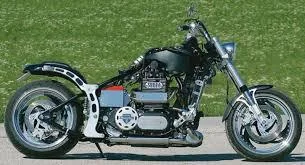
Article Complete Info
| Articleid | 467332 |
|---|---|
| Category | Custom-cruiser |
| Make | Neander |
| Model | Turbo Diesel 1400 |
| Year | 2020 |
Chassis, Suspension, Brakes & Wheels
| Frontbrakes | Single disc. Bremo |
|---|---|
| Frontsuspension | Telescopic fork |
| Rearbrakes | Single disc. bremo |
| Rearsuspension | White Power shocks, adjustable |
Engine & Transmission
| Borexstroke | 105.0 x 77.6 mm (4.1 x 3.1 inches) |
|---|---|
| Clutch | Multidisk |
| Coolingsystem | Oil & air |
| Displacement | 1340.00 ccm (81.77 cubic inches) |
| Enginedetails | Diesel |
| Fuelconsumption | 4.50 litres/100 km (22.2 km/l or 52.27 mpg) |
| Fuelsystem | Turbo |
| Gearbox | 6-speed |
| Greenhousegases | 119.7 CO2 g/km. (CO2 - Carbon dioxide emission) |
| Power | 112.00 HP (81.8 kW)) @ 4200 RPM |
| Topspeed | 220.0 km/h (136.7 mph) |
| Torque | 214.00 Nm (21.8 kgf-m or 157.8 ft.lbs) @ 2600 RPM |
| Transmissiontypefinaldrive | Belt |
| Valvespercylinder | 4 |
| Zerotoonehundred | 4.000 seconds |
Other Specifications
| Coloroptions | Black |
|---|---|
| Starter | Electric |
About Neander
Country of Origin:
Germany
Founder:
Ernst Neumann-Neander; modern Neander Motors AG
Best Known For:
Art-deco pressed-steel frames (interwar) and modern turbo-diesel motorcycle projects
Company History
Neander’s early legacy is design bravado: pressed-steel frames and streamlined forms that stood apart in the interwar years, when motorcycles were evolving from motorized bicycles into distinct machines. Ernst Neumann-Neander was an artist as much as engineer, and his bikes reflected that, with forms that still look modern. In the 2000s, Neander Motors AG pursued a different kind of audacity—a parallel-twin, turbo-diesel motorcycle with counter-rotating crankshafts to tame vibration and a torque curve suited to long-distance hauling. While never a mass product, the project showcased German problem-solving applied to unconventional propulsion. Historically, Neander represents the willingness to reimagine both structure and heart of a motorcycle—first with steel sculpture, later with compression ignition and balance-shaft wizardry. The throughline is curiosity: if common answers get you common machines, try uncommon questions.