
2010
Nipponia Sporty 125 - Specifications & Review
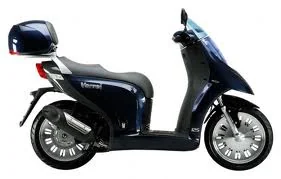
Article Complete Info
| Articleid | 995294 |
|---|---|
| Category | Scooter |
| Make | Nipponia |
| Model | Sporty 125 |
| Year | 2010 |
Chassis, Suspension, Brakes & Wheels
| Frontbrakes | Single disc |
|---|---|
| Fronttyre | 3.50-12 |
| Rearbrakes | Expanding brake (drum brake) |
| Reartyre | 3.50-12 |
Engine & Transmission
| Coolingsystem | Air |
|---|---|
| Displacement | 124.90 ccm (7.62 cubic inches) |
| Enginedetails | Single cylinder, four-stroke |
| Fuelconsumption | 2.80 litres/100 km (35.7 km/l or 84.01 mpg) |
| Fuelsystem | Carburettor |
| Gearbox | Automatic |
| Greenhousegases | 65.0 CO2 g/km. (CO2 - Carbon dioxide emission) |
| Ignition | CDI |
| Power | 7.51 HP (5.5 kW)) @ 7500 RPM |
| Topspeed | 80.0 km/h (49.7 mph) |
| Torque | 7.60 Nm (0.8 kgf-m or 5.6 ft.lbs) @ 6000 RPM |
| Transmissiontypefinaldrive | Belt |
Other Specifications
| Coloroptions | Red, silver, black, blue |
|---|---|
| Starter | Electric & kick |
Physical Measures & Capacities
| Dryweight | 120.0 kg (264.6 pounds) |
|---|---|
| Fuelcapacity | 6.00 litres (1.59 gallons) |
| Overalllength | 1,950 mm (76.8 inches) |
| Powerweightratio | 0.0626 HP/kg |
About Nipponia
Country of Origin:
Greece (brand/design) with Asian manufacturing
Founder:
Sotiris Kolovos and partners (Nipponia S.A.)
Best Known For:
EU-market scooters and small motorcycles blending European design and Asian value
Company History
Despite the Japanese-sounding name, Nipponia is a Greek-led brand that designs scooters and small motorcycles for European urban riders, then manufactures via Asian partners to meet price targets. The formula is familiar but well executed: EU-homologated electrics and emissions gear, practical storage, and corrosion-aware finishes, backed by regional distributors who stock spares. Styling cues lean clean and modern rather than retro pastiche; ergonomics suit short urban hops and delivery work. The brand has also engaged with electrification, offering simple, appliance-like e-scooters where incentives and infrastructure make sense. Historically, Nipponia reflects the modern mobility supply chain: design and compliance expertise anchored in Europe, cost-effective production abroad, and local aftersales that determines reputation. Done well, it yields scooters that simply work—quietly shrinking cities for students and workers who need reliable, low-cost transport.