
Pierce Four 1910 - Specifications & Review
Article Complete Info
| Articleid | 15952 |
|---|---|
| Category | Sport |
| Make | Pierce |
| Model | Four |
| Year | 1910 |
Chassis, Suspension, Brakes & Wheels
| Frametype | 3.5 inch tubing |
|---|---|
| Frontsuspension | Leading link |
| Rearsuspension | Rigid |
| Seat | Single seat |
Engine & Transmission
| Borexstroke | 63.5 x 63.5 mm (2.5 x 2.5 inches) |
|---|---|
| Displacement | 696.00 ccm (42.47 cubic inches) |
| Enginedetails | In-line three, four-stroke |
| Enginetype | T head inline 4 with copression release |
| Topspeed | 96.6 km/h (60.0 mph) |
| Transmissiontypefinaldrive | Shaft drive (cardan) |
Physical Measures & Capacities
| Dryweight | 124.7 kg (275.0 pounds) |
|---|
About Pierce Four 1910
Introducing the 1910 Pierce Four Motorcycle: A Pioneer of Performance and Elegance
Steeped in history and innovation, the 1910 Pierce Four motorcycle stands as a testament to the early days of motorcycling. Produced by the esteemed Pierce company, known for its commitment to quality and performance, this sport motorcycle was crafted for enthusiasts who craved the thrill of speed and the joy of the open road. As one of the first motorcycles to feature a four-cylinder engine, it carved out a unique niche in the burgeoning motorcycle market of the early 20th century, appealing to those who sought both style and substance in their rides.
Unleashing the Power: Engine Performance and Riding Experience
At the heart of the Pierce Four lies its impressive 696cc in-line three, four-stroke engine, engineered for exhilarating performance. With a bore and stroke of 63.5 mm, this powerplant churns out enough torque to propel the motorcycle to a top speed of 96.6 km/h (60 mph). The shaft drive system, often lauded for its reliability, delivers power smoothly to the rear wheel, allowing for seamless acceleration and responsive handling. Riders can expect a delightful experience as they navigate through winding roads or cruise along straight stretches, with the robust engine providing an engaging sound that resonates with the spirit of adventure.
Innovative Features and Timeless Design
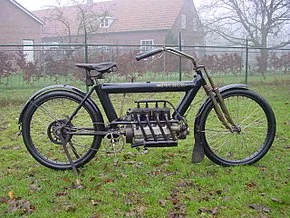
The Pierce Four boasts a sturdy frame constructed from 3.5-inch tubing, ensuring a solid foundation for both performance and stability. Its leading link front suspension offers enhanced handling, allowing riders to tackle corners with confidence, while the rigid rear suspension maintains a classic aesthetic that harks back to the motorcycle's origins. Weighing in at a mere 124.7 kg (275 pounds), the Pierce Four strikes an impressive balance between lightweight maneuverability and rugged strength. With its elegant lines and vintage charm, this motorcycle is not only a marvel of mechanical engineering but also a captivating piece of art that turns heads wherever it goes.
Pros and Cons of the 1910 Pierce Four Motorcycle
Pros:
- Innovative Engineering: The four-cylinder engine design was cutting-edge for its time, offering smoother power delivery and impressive performance.
- Classic Aesthetics: The vintage styling and craftsmanship make it a timeless piece, appealing to collectors and enthusiasts alike.
- Reliable Shaft Drive: The cardan final drive system provides low maintenance and durability, enhancing the riding experience.
Cons:
- Rigid Rear Suspension: While it contributes to the classic look, the rigid rear suspension may result in a less comfortable ride on uneven surfaces.
- Limited Speed: Though impressive for its era, the top speed of 96.6 km/h may feel constrained compared to modern motorcycles.
- Weight Consideration: At 124.7 kg, some riders might find it slightly heavier than contemporary sport bikes, affecting agility at lower speeds.
In summary, the 1910 Pierce Four remains a cherished piece of motorcycle history, captivating enthusiasts with its blend of performance, innovation, and classic design. It’s a motorcycle that invites riders to not just experience the thrill of the road, but to embrace the rich legacy of motorcycling itself.