
2011
Puma Elephant CR250 - Specifications & Review
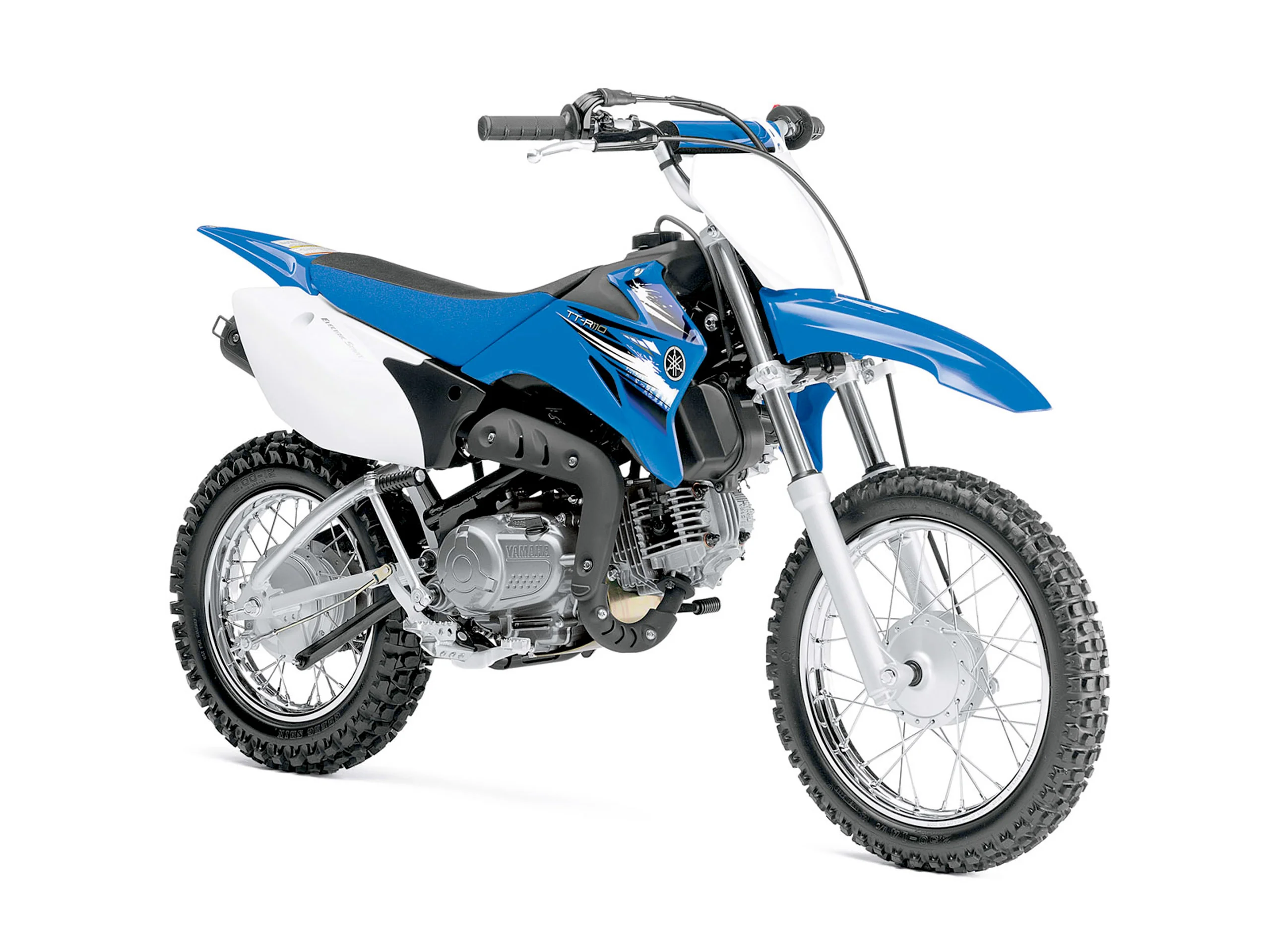
Article Complete Info
| Articleid | 120509 |
|---|---|
| Category | Enduro-offroad |
| Make | Puma |
| Model | Elephant CR250 |
| Year | 2011 |
Chassis, Suspension, Brakes & Wheels
| Frontbrakes | Single disc |
|---|---|
| Fronttyre | 80/100-21 |
| Rearbrakes | Single disc |
| Reartyre | 110/90-19 |
Engine & Transmission
| Coolingsystem | Air |
|---|---|
| Displacement | 250.00 ccm (15.26 cubic inches) |
| Enginedetails | Single cylinder, four-stroke |
| Fuelsystem | Carburettor |
| Gearbox | 5-speed |
| Power | 29.37 HP (21.4 kW)) |
| Topspeed | 110.0 km/h (68.4 mph) |
| Transmissiontypefinaldrive | Chain |
Other Specifications
| Coloroptions | Blue, red, yellow |
|---|---|
| Comments | Italian brand. |
| Electrical | 12 Volt |
| Light | No lights |
| Starter | Electric |
Physical Measures & Capacities
| Dryweight | 118.0 kg (260.1 pounds) |
|---|---|
| Overallheight | 1,310 mm (51.6 inches) |
| Overalllength | 2,180 mm (85.8 inches) |
| Overallwidth | 800 mm (31.5 inches) |
| Powerweightratio | 0.2489 HP/kg |
| Seatheight | 930 mm (36.6 inches) If adjustable, lowest setting. |
About Puma
Country of Origin:
Argentina
Founder:
IAME (Industrias Aeronáuticas y Mecánicas del Estado)
Best Known For:
1950s–60s state-built lightweight motorcycles that mobilized Argentina
Company History
Argentina’s Puma motorcycles were a nation-building project: state-produced light bikes designed to be affordable, serviceable, and rugged. Early two-stroke singles featured simple carburetion, enclosed chains, and frames that tolerated rough roads and heavy loads. The bikes taught generations to ride and wrench; parts supply and manuals ensured village mechanics could keep them alive. Culturally, the Puma became a symbol of accessible progress—students, workers, and small businesses expanded their range of opportunity. Production shifted with politics and economics, but the badge remains beloved, with restorations honoring both utility and design. Historically, Puma shows how industrial policy and practical engineering can transform daily life: a low-cost machine that multiplied time, income, and connection across a vast country.