
Triumph 500 Grand Prix 1947 - Specifications & Review
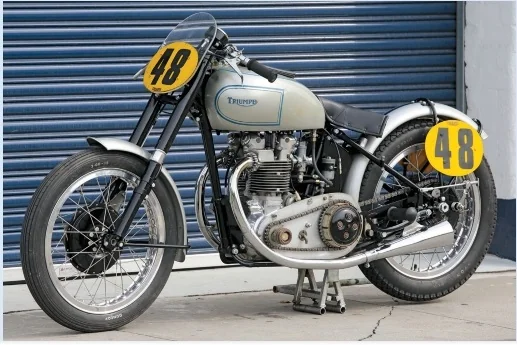
Article Complete Info
| Articleid | 736078 |
|---|---|
| Category | Sport |
| Make | Triumph |
| Model | 500 Grand Prix |
| Year | 1947 |
Chassis, Suspension, Brakes & Wheels
| Frontbrakes | Expanding brake (drum brake) |
|---|---|
| Rearbrakes | Expanding brake (drum brake) |
| Seat | Single |
| Wheels | Spoked |
Engine & Transmission
| Borexstroke | 63.0 x 80.0 mm (2.5 x 3.1 inches) |
|---|---|
| Coolingsystem | Air |
| Displacement | 498.00 ccm (30.39 cubic inches) |
| Enginedetails | Twin, four-stroke |
| Power | 40.00 HP (29.2 kW)) @ 7200 RPM |
| Transmissiontypefinaldrive | Chain |
Physical Measures & Capacities
| Dryweight | 142.0 kg (313.1 pounds) |
|---|---|
| Powerweightratio | 0.2817 HP/kg |
About Triumph 500 Grand Prix 1947
1947 Triumph 500 Grand Prix: A Classic Sport Motorcycle
The 1947 Triumph 500 Grand Prix stands as a testament to post-war motorcycle engineering, embodying the spirit of speed and innovation that defined the era. Positioned in the sport motorcycle category, this bike was designed for those who sought exhilarating performance on both the road and track. With its sleek lines and purposeful stance, the 500 Grand Prix captures the essence of the racing heritage that Triumph is renowned for, making it a coveted piece for collectors and enthusiasts alike.
At the heart of the 500 Grand Prix lies a robust 498 cc twin-cylinder, four-stroke engine that churns out a commendable 40 horsepower at 7200 RPM. This powerplant is engineered for spirited acceleration, allowing riders to experience the thrill of the open road. The engine’s bore and stroke dimensions of 63.0 mm by 80.0 mm provide a balance of torque and rev-happiness, ensuring that the Grand Prix can deliver a zippy performance while maintaining reliability. Coupled with a chain final drive, this motorcycle offers smooth power delivery, making it an agile companion whether navigating city streets or cruising down winding country lanes.
The Triumph 500 Grand Prix is not just about power; it's also about how that power is harnessed. Its chassis, equipped with drum brakes at both the front and rear, provides confident stopping power, which is crucial for a sport-oriented bike of its time. Weighing in at just 142 kg (313.1 pounds), the Grand Prix boasts a competitive power-to-weight ratio of 0.2817 HP/kg, contributing to its nimble handling and responsive ride. This lightweight design allows riders to maneuver effortlessly, whether in tight corners or during spirited rides. The motorcycle’s air-cooled engine ensures a classic aesthetic while providing reliable performance, making it a perfect blend of vintage charm and functional engineering.
#### Pros and Cons of the 1947 Triumph 500 Grand Prix
Pros:
- Performance: With 40 HP and a lightweight frame, the Grand Prix delivers exhilarating acceleration and agility, making it an absolute joy to ride.
- Heritage: Triumph's storied history in motorcycle racing adds an element of prestige and nostalgia, appealing to collectors and enthusiasts.
- Simplicity: The air-cooled engine design and classic drum brakes offer a straightforward mechanical experience, ideal for riders who appreciate vintage engineering.
Cons:
- Braking Performance: While the drum brakes are adequate for their time, modern riders may find them less effective compared to contemporary disc brake systems.
- Limited Comfort: The sport-focused design may sacrifice comfort, making longer rides less enjoyable for those not accustomed to a more aggressive riding position.
- Parts Availability: Being a classic motorcycle, sourcing replacement parts can be challenging, requiring dedication and patience for maintenance and restoration projects.
The 1947 Triumph 500 Grand Prix is not just a motorcycle; it’s a piece of history that offers a thrilling ride, a glimpse into the past, and a connection to the golden age of motorcycling. Whether you’re a seasoned rider or a curious enthusiast, this classic marvel is sure to ignite your passion for two-wheeled adventure.