
Triumph 500 Grand Prix 1950 - Specifications & Review
Article Complete Info
| Articleid | 598533 |
|---|---|
| Category | Sport |
| Make | Triumph |
| Model | 500 Grand Prix |
| Year | 1950 |
Chassis, Suspension, Brakes & Wheels
| Frontbrakes | Expanding brake (drum brake) |
|---|---|
| Rearbrakes | Expanding brake (drum brake) |
| Seat | Single |
| Wheels | Spoked |
Engine & Transmission
| Borexstroke | 63.0 x 80.0 mm (2.5 x 3.1 inches) |
|---|---|
| Coolingsystem | Air |
| Displacement | 498.00 ccm (30.39 cubic inches) |
| Enginedetails | Twin, four-stroke |
| Power | 40.00 HP (29.2 kW)) @ 7200 RPM |
| Transmissiontypefinaldrive | Chain |
Physical Measures & Capacities
| Dryweight | 142.0 kg (313.1 pounds) |
|---|---|
| Powerweightratio | 0.2817 HP/kg |
About Triumph 500 Grand Prix 1950
Introducing the 1950 Triumph 500 Grand Prix
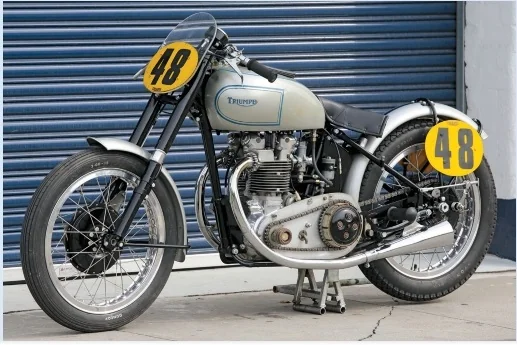
The 1950 Triumph 500 Grand Prix is a remarkable piece of motorcycling history that embodies the spirit of post-war sport bikes. Positioned in the classic sport category, this motorcycle was Triumph's answer to the growing demand for performance-oriented machines that could deliver both speed and agility on the open road. With its distinct British styling and robust engineering, the Grand Prix quickly became a favorite among enthusiasts and racers alike, setting the stage for Triumph's legacy in the world of motorcycle racing.
Engine Performance and Riding Characteristics
At the heart of the 500 Grand Prix lies a powerful 498cc twin-cylinder, four-stroke engine, capable of producing an exhilarating 40 horsepower at 7,200 RPM. This impressive output, combined with its lightweight design of just 142 kg (313 lbs), provides an engaging power-to-weight ratio of 0.2817 HP/kg, ensuring that riders experience an exhilarating ride. The engine's bore and stroke of 63.0 x 80.0 mm (2.5 x 3.1 inches) creates a dynamic balance between torque and rev-happiness, making it perfect for both spirited rides on twisty roads and long-distance cruising. The air-cooled configuration allows for simplicity and reliability, while the chain final drive contributes to efficient power delivery, ensuring that every twist of the throttle is met with an immediate response.
Key Features and Technology
The Triumph 500 Grand Prix was not just about raw power; it also boasted thoughtful engineering that enhanced the overall riding experience. The chassis features traditional drum brakes both front and rear, providing dependable stopping power, especially for a bike of its era. While modern riders may be accustomed to disc brakes, the expanding drum design provides a nostalgic feel and a connection to the classic racing roots of the motorcycle. The bike's sleek lines and minimalist aesthetics are complemented by its understated yet elegant instrumentation, allowing riders to enjoy the ride without unnecessary distractions. These features make the Grand Prix not only a joy to ride but also a true collector’s item for vintage motorcycle aficionados.
Pros and Cons
Pros:
- Powerful Engine: The 498cc twin delivers an impressive 40 HP, offering a thrilling riding experience.
- Lightweight Design: At just 142 kg, the motorcycle is agile and easy to handle, making it suitable for both new and experienced riders.
- Classic Aesthetic: The timeless styling of the Grand Prix attracts attention and admiration, appealing to vintage motorcycle collectors.
Cons:
- Drum Brakes: While reliable in their time, the drum brakes may lack the stopping power and responsiveness that modern riders expect.
- Limited Comfort: The sport-oriented design prioritizes performance over comfort, which may not suit all riders for long distances.
- Maintenance: As a vintage bike, parts may be harder to come by, requiring dedicated care and attention to keep the Grand Prix running smoothly.
In summary, the 1950 Triumph 500 Grand Prix stands as a testament to Triumph's engineering prowess and racing heritage, offering a blend of performance, style, and nostalgia that continues to resonate with motorcycle enthusiasts today.