
Triumph Speed Twin 1940 - Specifications & Review
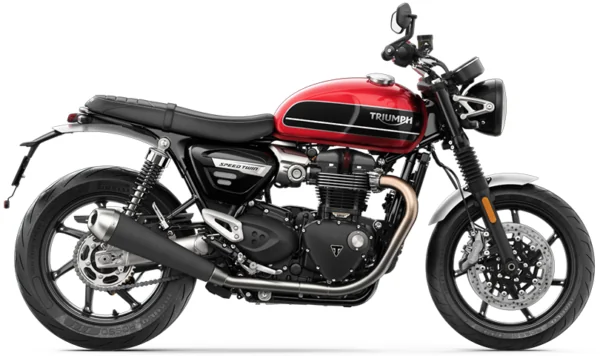
Article Complete Info
| Articleid | 230576 |
|---|---|
| Category | Allround |
| Make | Triumph |
| Model | Speed Twin |
| Year | 1940 |
Chassis, Suspension, Brakes & Wheels
| Frontbrakes | Expanding brake (drum brake) |
|---|---|
| Frontsuspension | Telescopic |
| Rearbrakes | Expanding brake (drum brake) |
| Rearsuspension | Rigid-optional sprung hub |
| Seat | Single seat |
Engine & Transmission
| Displacement | 498.00 ccm (30.39 cubic inches) |
|---|---|
| Enginedetails | Twin, four-stroke |
| Enginetype | 360 degree paprallel |
| Fuelsystem | Carburettor. Amal |
| Ignition | Lucas altrnator |
| Power | 27.00 HP (19.7 kW)) @ 6300 RPM |
| Transmissiontypefinaldrive | Chain |
Physical Measures & Capacities
| Dryweight | 158.8 kg (350.0 pounds) |
|---|---|
| Powerweightratio | 0.1701 HP/kg |
About Triumph Speed Twin 1940
Introducing the 1940 Triumph Speed Twin, a motorcycle that epitomizes the spirit of the pre-war era while paving the way for British motorcycling excellence. Positioned as an allrounder, the Speed Twin was designed to cater to both the casual rider and the more adventurous enthusiast, making it a versatile choice in the market. With its classic styling, this bike captures the essence of mid-century motorcycling, embodying both performance and elegance. The Speed Twin is not just a motorcycle; it’s a piece of history that continues to inspire and ignite passion among riders and collectors alike.
At the heart of the Speed Twin lies its robust 498cc twin-cylinder four-stroke engine, which delivers a respectable 27 horsepower at 6,300 RPM. This powerplant provides a blend of smooth acceleration and commendable torque, making it capable of spirited rides through both city streets and winding country roads. Riders will appreciate the instant throttle response, coupled with the reliability of the Amal carburettor that ensures consistent fuel delivery. The chain final drive contributes to the bike's agility, allowing for nimble handling that complements the lightweight frame, weighing in at just 158.8 kg (350 pounds). Enthusiasts will find the ride to be a delightful balance of power and grace, making it a joy both in solo rides and when cruising with a companion.
The 1940 Triumph Speed Twin is not just about raw power; it is also equipped with features that reflect a careful attention to detail and rider comfort. The telescopic front suspension provides improved handling and a smoother ride over uneven surfaces, while the optional rigid-sprung hub for the rear suspension adds a vintage touch, offering a unique blend of classic and modern riding experiences. The expanding drum brakes at both the front and rear ensure adequate stopping power, allowing riders to navigate with confidence. With its Lucas alternator ignition system, the Speed Twin stands as a testament to the engineering ingenuity of its time, marrying reliability with performance in a charmingly classic package.
Pros:
- Classic Design: The Speed Twin's vintage aesthetics make it a standout in any collection, appealing to enthusiasts who appreciate timeless style.
- Versatile Performance: With a balanced power-to-weight ratio, this motorcycle excels in various riding conditions, making it suitable for both commuting and leisurely rides.
- Smooth Handling: The combination of the telescopic front suspension and light frame allows for agile maneuverability, making it a joy to ride through cityscapes and twisty roads alike.
Cons:
- Drum Brakes: While effective for their time, drum brakes lack the stopping power and responsiveness of modern disc brakes, which may concern safety-conscious riders.
- Limited Power: At 27 HP, it may not satisfy those seeking high-performance motorcycles, especially when compared to contemporary machines.
- Maintenance: The technology of the era requires more hands-on maintenance and care, which can be a drawback for those seeking a low-maintenance riding experience.
In essence, the 1940 Triumph Speed Twin remains an emblem of classic motorcycling, offering a unique blend of historical significance and riding pleasure that continues to captivate enthusiasts today.