
Triumph Speed Twin 1947 - Specifications & Review
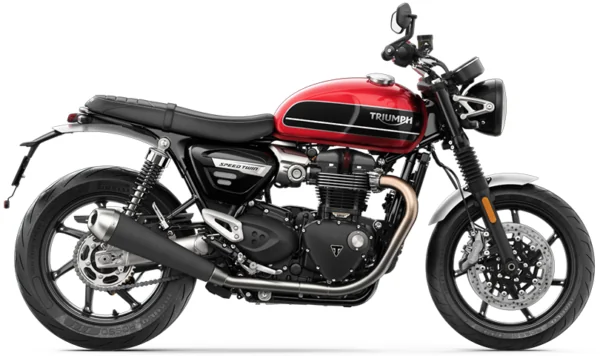
Article Complete Info
| Articleid | 448621 |
|---|---|
| Category | Allround |
| Make | Triumph |
| Model | Speed Twin |
| Year | 1947 |
Chassis, Suspension, Brakes & Wheels
| Frontbrakes | Expanding brake (drum brake) |
|---|---|
| Frontsuspension | Telescopic |
| Rearbrakes | Expanding brake (drum brake) |
| Rearsuspension | Rigid-optional sprung hub |
Engine & Transmission
| Displacement | 498.00 ccm (30.39 cubic inches) |
|---|---|
| Enginedetails | Twin, four-stroke |
| Enginetype | 360 degree paprallel |
| Fuelsystem | Carburettor. Amal |
| Ignition | Lucas altrnator |
| Power | 27.00 HP (19.7 kW)) @ 6300 RPM |
| Transmissiontypefinaldrive | Chain |
Physical Measures & Capacities
| Dryweight | 158.8 kg (350.0 pounds) |
|---|---|
| Powerweightratio | 0.1701 HP/kg |
About Triumph Speed Twin 1947
Introducing the 1947 Triumph Speed Twin, a motorcycle that epitomizes the spirit of post-war Britain and the golden age of motorcycling. Positioned as an allrounder in Triumph's lineup, the Speed Twin quickly became a favorite among riders seeking versatility, performance, and style. With its classic design and robust engineering, this bike not only paved the way for future models but also defined the standards of its time, making it a sought-after gem for collectors and enthusiasts alike.
At the heart of the Speed Twin lies a 498cc twin-cylinder, four-stroke engine that produces a respectable 27 horsepower at 6300 RPM. This powerplant is paired with a reliable Amal carburettor and a Lucas alternator ignition system, delivering smooth acceleration and a thrilling ride that resonates with the spirit of adventure. Riders will appreciate the bike's responsive handling and nimble characteristics, thanks to its lightweight frame, weighing in at just 158.8 kg (350 pounds). The chain-driven final drive ensures a direct connection to the road, enhancing the riding experience whether you’re cruising through the countryside or navigating city streets.
Key features of the 1947 Triumph Speed Twin include its elegant chrome detailing, a stylishly designed fuel tank, and a traditional instrument cluster, which collectively evoke a sense of nostalgia. The bike is equipped with a telescopic front suspension for improved handling and comfort, while the rear features a rigid frame with an optional sprung hub for added flexibility. The drum brakes, both front and rear, provide dependable stopping power, allowing riders to confidently maneuver through various terrains. This blend of classic aesthetics and functional technology creates a well-rounded motorcycle that appeals to both the purists and the modern rider.
Pros:
- Classic Design: The Speed Twin's timeless aesthetic, with chrome accents and vintage styling, makes it a standout on the road and a collectible for enthusiasts.
- Smooth Performance: The 498cc engine offers a balanced mix of power and efficiency, making it suitable for both short rides and longer journeys.
- Rider-Friendly Handling: The lightweight construction and responsive handling enhance the riding experience, making it accessible for both novice and experienced riders.
Cons:
- Drum Brakes: While reliable, the drum braking system may not offer the same stopping power and responsiveness as modern disc brakes, potentially affecting performance in emergency situations.
- Limited Comfort for Long Rides: The rigid rear suspension, while offering a classic feel, might not provide the comfort needed for extended journeys compared to modern alternatives.
- Maintenance Needs: As a vintage bike, the Speed Twin may require more frequent maintenance and care to keep it in optimal running condition, which could be a consideration for some riders.
In conclusion, the 1947 Triumph Speed Twin is more than just a motorcycle; it's a piece of history that captures the essence of a bygone era, designed for those who appreciate the art of riding and the beauty of classic engineering. Whether you’re a dedicated collector or a casual rider, this motorcycle offers an unforgettable journey back in time.