
Triumph Speed Twin 1951 - Specifications & Review
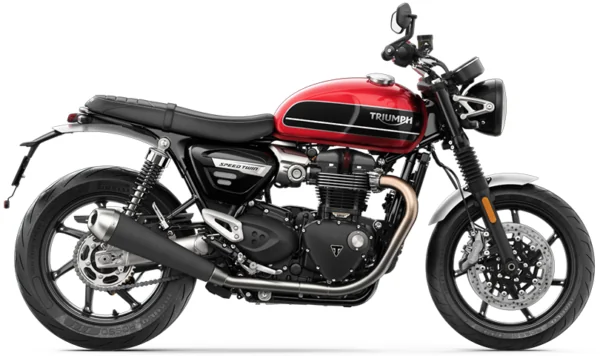
Article Complete Info
| Articleid | 567009 |
|---|---|
| Category | Allround |
| Make | Triumph |
| Model | Speed Twin |
| Year | 1951 |
Chassis, Suspension, Brakes & Wheels
| Frontbrakes | Expanding brake (drum brake) |
|---|---|
| Frontsuspension | Telescopic |
| Rearbrakes | Expanding brake (drum brake) |
| Rearsuspension | Rigid-optional sprung hub |
Engine & Transmission
| Displacement | 498.00 ccm (30.39 cubic inches) |
|---|---|
| Enginedetails | Twin, four-stroke |
| Enginetype | 360 degree paprallel |
| Fuelsystem | Carburettor. Amal |
| Ignition | Lucas altrnator |
| Power | 27.00 HP (19.7 kW)) @ 6300 RPM |
| Transmissiontypefinaldrive | Chain |
Physical Measures & Capacities
| Dryweight | 158.8 kg (350.0 pounds) |
|---|---|
| Powerweightratio | 0.1701 HP/kg |
About Triumph Speed Twin 1951
Introducing the 1951 Triumph Speed Twin, a timeless classic that embodies the spirit of post-war motorcycling. Positioned in the allround category, the Speed Twin was designed to cater to a variety of riders—from weekend warriors to daily commuters—offering a delightful blend of performance, style, and versatility. The Speed Twin not only solidified Triumph’s reputation for producing reliable motorcycles but also helped define the landscape of British motorcycling in the early 1950s. Its elegant lines, coupled with a robust engineering pedigree, make it a sought-after machine for enthusiasts and collectors alike.
At the heart of the Speed Twin lies its spirited 498cc twin-cylinder, four-stroke engine, which produces a respectable 27 horsepower at 6,300 RPM. This powerplant, paired with a chain final drive, delivers a riding experience that is both responsive and engaging. Riders will appreciate the smooth acceleration and the satisfying thrum of the engine as it purrs to life. The combination of a lightweight frame, weighing in at just 158.8 kg (350 pounds), and a power-to-weight ratio of 0.1701 HP/kg translates to nimble handling and agility, making it an enjoyable ride for navigating city streets or carving through winding country roads.
The 1951 model features several key technological advancements for its time, including a Lucas alternator for reliable ignition and an Amal carburettor that optimizes fuel delivery for efficient performance. The telescopic front suspension enhances comfort and control, while the rear suspension can be fitted with an optional sprung hub for added ride quality. Both front and rear drum brakes provide adequate stopping power, allowing riders to feel confident while managing their speed. The Speed Twin’s design pays homage to classic aesthetics, with chrome accents and a minimalist approach that appeals to purists and modern riders alike.
PROs:
- Classic Styling: The Triumph Speed Twin boasts an iconic design that has stood the test of time, making it a visual delight for motorcycle enthusiasts.
- Versatile Performance: With its capable engine and lightweight frame, the Speed Twin excels in a variety of riding conditions, from urban commutes to leisure cruising.
- Reliable Engineering: Triumph's commitment to quality is evident in the Speed Twin's robust construction and dependable performance, ensuring it remains a beloved choice among vintage bike aficionados.
CONs:
- Limited Power: While 27 HP is adequate for leisurely rides, more aggressive riders may find the power output lacking for spirited performance.
- Drum Brakes: The expanding drum brakes, while effective for the time, may not provide the stopping power or responsiveness that modern riders expect.
- Rigid Rear Suspension: The optional sprung hub can enhance comfort, but the standard rigid rear suspension may not be ideal for those seeking a plush ride over rough terrain.
In summary, the 1951 Triumph Speed Twin is a remarkable motorcycle that captures the essence of its era while still appealing to a new generation of riders. Its blend of classic design, spirited performance, and reliable engineering make it a coveted piece of motorcycling history.