
Triumph Speed Twin 1952 - Specifications & Review
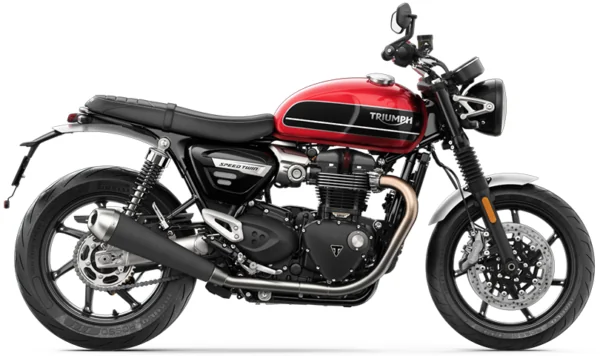
Article Complete Info
| Articleid | 25667 |
|---|---|
| Category | Allround |
| Make | Triumph |
| Model | Speed Twin |
| Year | 1952 |
Chassis, Suspension, Brakes & Wheels
| Frontbrakes | Expanding brake (drum brake) |
|---|---|
| Frontsuspension | Telescopic |
| Rearbrakes | Expanding brake (drum brake) |
| Rearsuspension | Rigid-optional sprung hub |
Engine & Transmission
| Displacement | 498.00 ccm (30.39 cubic inches) |
|---|---|
| Enginedetails | Twin, four-stroke |
| Enginetype | 360 degree paprallel |
| Fuelsystem | Carburettor. Amal |
| Ignition | Lucas altrnator |
| Power | 27.00 HP (19.7 kW)) @ 6300 RPM |
| Transmissiontypefinaldrive | Chain |
Physical Measures & Capacities
| Dryweight | 158.8 kg (350.0 pounds) |
|---|---|
| Powerweightratio | 0.1701 HP/kg |
About Triumph Speed Twin 1952
Introducing the 1952 Triumph Speed Twin
The 1952 Triumph Speed Twin stands as a hallmark of classic British motorcycle design, positioning itself as a versatile all-rounder that appeals to both seasoned riders and collectors alike. A significant player in the post-war motorcycle renaissance, the Speed Twin redefined the concept of performance and style, with its elegant lines and robust engineering making it a coveted piece in the world of vintage motorcycles. Triumph's prowess in blending practicality with aesthetics is evident in this model, which manages to capture the essence of mid-20th-century motorcycling while laying the groundwork for future generations of riders.
Engine Performance and Riding Characteristics
At the heart of the Speed Twin is its 498cc twin-cylinder, four-stroke engine, delivering a commendable 27 horsepower at 6,300 RPM. This powerplant not only offers respectable acceleration but also ensures a smooth and engaging ride. The engine's design, coupled with an Amal carburettor, allows for responsive throttle input, making it a joy to ride through winding roads or city streets alike. Riders can expect a satisfying rumble from the exhaust, a classic sound that echoes the heritage of British motorcycles. Weighing in at just 158.8 kg (350 pounds), the Speed Twin boasts an impressive power-to-weight ratio of 0.1701 HP/kg, providing nimbleness and agility that enhance the overall riding experience.
Key Features and Technology
The Speed Twin is equipped with a robust chassis that features telescopic front suspension, enhancing stability and comfort on various terrains. The traditional drum brakes, both front and rear, provide reliable stopping power, although they may require a bit more finesse compared to modern disc systems. One of the standout features of this motorcycle is the optional sprung hub at the rear, which adds an extra layer of comfort for longer rides. The Lucas alternator ignition system ensures reliable starts and smooth operation, a testament to Triumph’s commitment to quality and performance in their engineering.
Pros and Cons
Pros:
- Timeless Design: The classic aesthetics of the Speed Twin make it a striking presence on the road, appealing to vintage motorcycle enthusiasts.
- Engaging Performance: With a responsive engine and lightweight frame, the Speed Twin offers an exhilarating riding experience that is both fun and engaging.
- Rider Comfort: The optional sprung hub and telescopic front suspension provide a comfortable ride, making it suitable for both short trips and longer journeys.
Cons:
- Braking Limitations: The drum brake system, while reliable, lacks the stopping power and modulation of modern disc brakes, which may require more effort from the rider.
- Maintenance Needs: As a classic motorcycle, the Speed Twin may require more frequent maintenance and care compared to contemporary machines, which can be a consideration for potential owners.
- Limited Power: While the engine offers respectable performance, it may not satisfy those looking for high-speed thrills or modern performance metrics, given the advancements in motorcycle technology since its release.
In summary, the 1952 Triumph Speed Twin is a blend of history, performance, and style that continues to resonate with motorcycle aficionados. Its charm lies in its simplicity and classic design, making it not just a mode of transportation but a beloved piece of motorcycling history.