
Triumph T100C 1963 - Specifications & Review
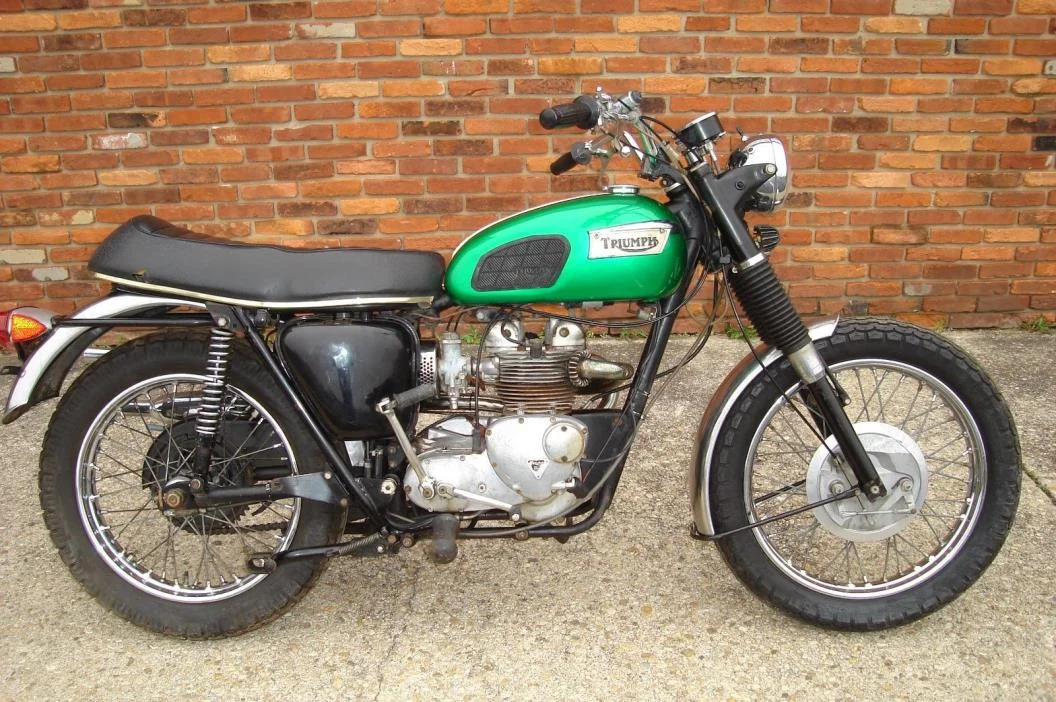
Article Complete Info
| Articleid | 305714 |
|---|---|
| Category | Sport |
| Make | Triumph |
| Model | T100C |
| Year | 1963 |
Chassis, Suspension, Brakes & Wheels
| Frontbrakes | Expanding brake (drum brake) |
|---|---|
| Frontsuspension | Telescopic |
| Rearbrakes | Expanding brake (drum brake) |
| Rearsuspension | Swingarm with coil-over shocks |
| Seat | Dual seat |
Engine & Transmission
| Coolingsystem | Air |
|---|---|
| Displacement | 490.00 ccm (29.90 cubic inches) |
| Enginedetails | Twin, four-stroke |
| Fuelsystem | Carburettor. Amal |
| Power | 41.00 HP (29.9 kW)) @ 7200 RPM |
| Transmissiontypefinaldrive | Chain |
Physical Measures & Capacities
| Dryweight | 152.0 kg (335.0 pounds) |
|---|---|
| Powerweightratio | 0.2698 HP/kg |
| Weightincloilgasetc | 168.3 kg (371.0 pounds) |
About Triumph T100C 1963
The 1963 Triumph T100C: A Classic Burst of British Sport
The 1963 Triumph T100C stands as a quintessential example of British motorcycling from the golden age of the sportbike era. Positioned as a lightweight sport model, the T100C captures the spirit of freedom and adventure that defined the 1960s. With its sleek lines and classic design, this motorcycle draws in enthusiasts and collectors alike, who appreciate its blend of style and performance. While it may not boast the raw power of modern machines, the T100C's charm lies in its simplicity and the exhilarating ride it offers on the open road.
At the heart of the T100C is a robust 490cc twin-cylinder, four-stroke engine that churns out a commendable 41 horsepower at 7200 RPM. This power delivers a thrilling performance, allowing riders to experience the joy of acceleration while maintaining a lightweight feel. Coupled with its air-cooled design and an Amal carburettor, the T100C provides an engaging and responsive riding experience. The bike’s chain final drive ensures that power is transferred smoothly to the rear wheel, making it an agile companion on twisting back roads. Whether you're navigating city streets or cruising along country lanes, the T100C offers a delightful blend of power and handling that invites riders to explore their limits.
In terms of features, the T100C showcases a classic aesthetic combined with reliable technology of its time. The telescopic front suspension and swingarm rear suspension with coil-over shocks allow for a comfortable ride, soaking up bumps and providing stability during spirited rides. The drum brakes, while not as advanced as modern disc brakes, offer solid stopping power, contributing to the bike's overall charm and character. Weighing in at a nimble 152 kg (335 lbs), the T100C boasts a power-to-weight ratio of 0.2698 HP/kg, making it an agile machine that feels light and lively in the hands of its rider.
Pros and Cons of the 1963 Triumph T100C
Pros:
- Lightweight and Agile: With a weight of just 152 kg, the T100C is easy to handle, making it perfect for both new and experienced riders.
- Classic Aesthetic: The timeless design and distinctive British styling make the T100C a head-turner, ideal for enthusiasts who appreciate vintage motorcycles.
- Engaging Riding Experience: The responsive engine and well-tuned suspension provide an enjoyable ride, encouraging riders to explore winding roads and open highways.
Cons:
- Limited Power Compared to Modern Bikes: With 41 HP, the T100C may feel underpowered when compared to contemporary sport motorcycles.
- Drum Brakes: The expanding drum brakes, while functional, may lack the stopping power and responsiveness of modern disc brake systems.
- Vibration at High RPMs: Riders may experience noticeable vibration as the engine reaches higher RPMs, which could be less comfortable on longer rides.
In conclusion, the 1963 Triumph T100C represents a delightful slice of motorcycling history, offering a unique blend of performance, style, and character that continues to resonate with riders today. Whether you're a seasoned collector or a newcomer to vintage bikes, this iconic machine invites you to experience the joy of classic British engineering.