
Velocette Viceroy 1963 - Specifications & Review
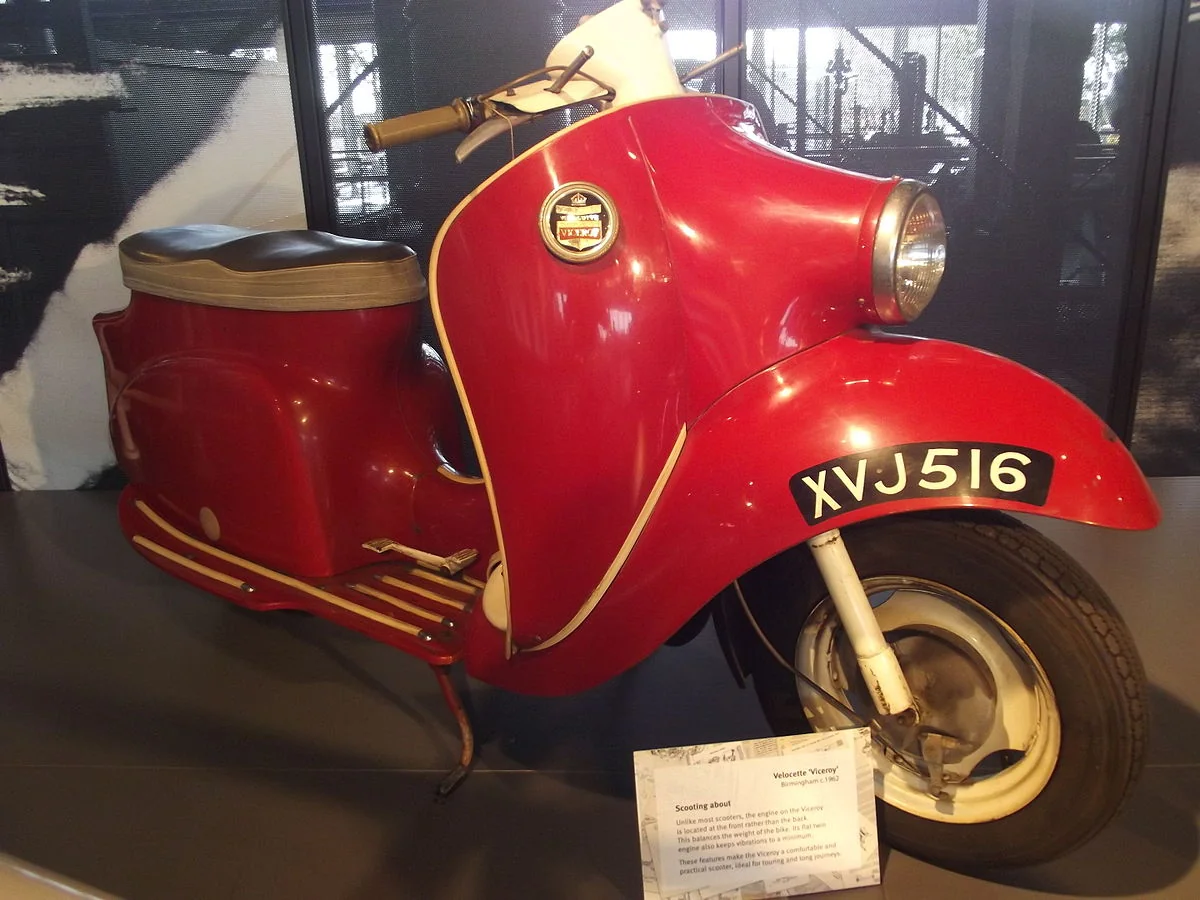
Article Complete Info
| Articleid | 159840 |
|---|---|
| Category | Scooter |
| Make | Velocette |
| Model | Viceroy |
| Year | 1963 |
Chassis, Suspension, Brakes & Wheels
| Frametype | Single tube Keystone |
|---|---|
| Frontbrakes | Expanding brake (drum brake) |
| Frontsuspension | Telescopic |
| Rearbrakes | Expanding brake (drum brake) |
| Rearsuspension | Swingarm |
| Seat | Dual |
Engine & Transmission
| Borexstroke | 64.0 x 64.0 mm (2.5 x 2.5 inches) |
|---|---|
| Clutch | Duplex |
| Displacement | 250.00 ccm (15.26 cubic inches) |
| Enginedetails | Single cylinder, two-stroke |
| Fuelsystem | Carburettor |
| Ignition | Battery |
| Transmissiontypefinaldrive | Chain |
Physical Measures & Capacities
| Dryweight | 140.0 kg (308.6 pounds) |
|---|
About Velocette Viceroy 1963
Introducing the 1963 Velocette Viceroy: A Timeless Classic in the Scooter Market
The 1963 Velocette Viceroy is a remarkable embodiment of British engineering and style, standing as a testament to the golden age of scooters. With its sleek lines and classic aesthetic, the Viceroy was designed for both the urban commuter and the leisurely rider. Velocette, a name synonymous with quality motorcycles, positioned the Viceroy as a stylish and practical option in the growing scooter market of the early 1960s. It combined performance with flair, appealing to riders looking for a dependable yet sophisticated solution for their daily travels.
At the heart of the Viceroy lies a spirited 250cc single-cylinder, two-stroke engine, delivering a punchy performance that belies its compact size. With a bore and stroke of 64mm by 64mm, this engine offers a balanced power delivery that's perfect for city riding. The Viceroy’s lightweight frame, tipping the scales at just 140 kg, enhances its agility, making it easy to navigate through tight urban spaces. The chain final drive and duplex clutch ensure a smooth and confident ride, while the carburettor-fed fuel system keeps it responsive and lively. Whether you're zipping through traffic or enjoying a weekend ride through the countryside, the Viceroy delivers an engaging experience that captures the essence of classic motorcycling.
The Velocette Viceroy is not just about engine performance; it also showcases a thoughtful design with rider comfort in mind. The single tube keystone frame provides stability and strength, while the telescopic front suspension and swingarm rear suspension work in harmony to absorb bumps and enhance ride quality. Its expanding drum brakes—both front and rear—offer reliable stopping power, ensuring that riders feel secure at all times. The scooter’s classic styling is complemented by practical features, including a spacious seat and a user-friendly layout that makes it approachable for riders of all experience levels.
Pros and Cons of the 1963 Velocette Viceroy
Pros:
- Lightweight and Agile: At just 140 kg, the Viceroy is easy to handle, making it ideal for city commuting and maneuvering through traffic.
- Classic Aesthetic: The timeless design and elegant lines of the Viceroy make it a head-turner, appealing to enthusiasts of vintage motorcycles.
- Dependable Performance: The robust 250cc engine provides reliable power, making it suitable for both urban and rural riding conditions.
Cons:
- Limited Power for High Speeds: While the engine performs well for city riding, it may struggle to keep up with highway speeds, limiting long-distance travel.
- Drum Brake System: The expanding drum brakes, while reliable, may not provide the same stopping power as modern disc brakes, particularly in wet conditions.
- Two-Stroke Engine Emissions: The two-stroke engine, while fun and lively, can produce higher emissions compared to contemporary four-stroke engines, which may deter environmentally conscious riders.
In summary, the 1963 Velocette Viceroy is a charming, practical scooter that captures the spirit of its time. Its engaging performance, classic styling, and thoughtful design make it a beloved choice for motorcycle enthusiasts and collectors alike.