
Yamaha 250 Racer 1967 - Specifications & Review
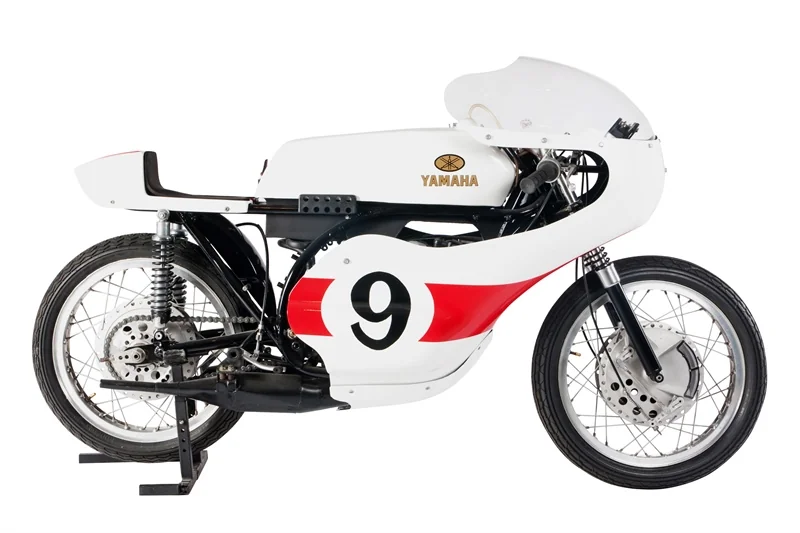
Article Complete Info
| Articleid | 588148 |
|---|---|
| Category | Sport |
| Make | Yamaha |
| Model | 250 Racer |
| Year | 1967 |
Chassis, Suspension, Brakes & Wheels
| Seat | Single seat |
|---|
Engine & Transmission
| Borexstroke | 56.0 x 50.0 mm (2.2 x 2.0 inches) |
|---|---|
| Coolingsystem | Air |
| Displacement | 250.00 ccm (15.26 cubic inches) |
| Enginedetails | Twin, two-stroke |
| Fuelsystem | Carburettor. 30mm remote float |
| Power | 44.00 HP (32.1 kW)) @ 10000 RPM |
| Topspeed | 144.0 km/h (89.5 mph) |
| Torque | 31.00 Nm (3.2 kgf-m or 22.9 ft.lbs) @ 9500 RPM |
Physical Measures & Capacities
| Fuelcapacity | 22.71 litres (6.00 gallons) |
|---|
About Yamaha 250 Racer 1967
Introducing the iconic 1967 Yamaha 250 Racer, a machine that embodies the spirit of competitive sport biking in the late 1960s. Positioned as a lightweight, high-performance contender in the burgeoning motorcycle racing scene, the 250 Racer draws enthusiasts and collectors alike with its striking design and racing pedigree. Developed during a golden era of motorcycle innovation, this bike was engineered for riders seeking both speed and agility, making it a popular choice among amateur racers and weekend warriors alike. As Yamaha's foray into the sport bike category, the 250 Racer provides a perfect blend of style, performance, and heritage, capturing the essence of an era that still resonates with motorcycle aficionados today.
At the heart of the 250 Racer lies a spirited twin-cylinder, two-stroke engine that displaces 250cc and churns out an impressive 44 horsepower at a thrilling 10,000 RPM. This robust power output, combined with a torque rating of 31 Nm at 9,500 RPM, ensures the bike delivers exhilarating acceleration and responsiveness on the track. Riders can expect a top speed of 144 km/h (89.5 mph), making it an agile performer that thrives on twisty roads and racing circuits. The air-cooled engine utilizes a 30mm remote float carburettor, allowing for precise fuel delivery, while the bore and stroke measurements of 56.0 x 50.0 mm contribute to a balanced powerband that invites spirited riding and confident cornering.
The 1967 Yamaha 250 Racer showcases several key features and technologies that enhance the riding experience. Its lightweight chassis is designed for nimbleness, allowing riders to navigate corners with ease and precision. With a fuel capacity of 22.71 liters (6.00 gallons), the bike offers ample range for both spirited rides and competitive outings. The clean lines and classic aesthetics are complemented by functional elements such as a minimalist design that prioritizes performance over excess. This combination of practicality and style makes the 250 Racer a true embodiment of Yamaha’s commitment to engineering excellence.
Pros:
- Lightweight and Agile: The bike’s design allows for quick handling and maneuverability, making it ideal for both racing and spirited street riding.
- Impressive Power-to-Weight Ratio: With 44 HP from a 250cc engine, the 250 Racer delivers exhilarating acceleration that appeals to performance enthusiasts.
- Classic Aesthetics: The retro design captivates collectors and enthusiasts, making it a desirable addition to any vintage motorcycle lineup.
Cons:
- Limited Comfort for Long Rides: The sport-focused design may sacrifice rider comfort for extended journeys, making it better suited for shorter rides or racing.
- Two-Stroke Engine Maintenance: The two-stroke engine requires regular maintenance and proper fuel/oil mixtures, which can be a drawback for those unfamiliar with its care.
- Less Power Compared to Modern Competitors: While impressive for its time, the 250 Racer may feel underpowered when compared to contemporary sport bikes with advanced technology and higher displacement.
Overall, the 1967 Yamaha 250 Racer stands as a testament to a time when motorcycles were a blend of raw power and sleek design, captivating the hearts of riders and collectors alike.