
Yamaha FZR 400 1988 - Specifications & Review
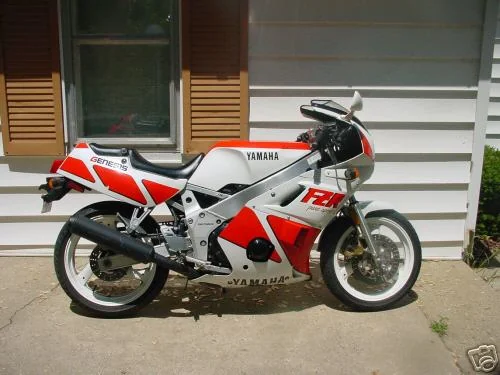
Article Complete Info
| Articleid | 440701 |
|---|---|
| Category | Sport |
| Make | Yamaha |
| Model | FZR 400 |
| Year | 1988 |
Engine & Transmission
| Borexstroke | 56.0 x 40.5 mm (2.2 x 1.6 inches) |
|---|---|
| Compression | 11.5:1 |
| Coolingsystem | Liquid |
| Displacement | 400.00 ccm (24.41 cubic inches) |
| Enginedetails | In-line four, four-stroke |
| Fuelsystem | Carburettor. Carbs Four Mikuni BDST32 |
| Ignition | TDI Digital |
| Maxrpm | 14000 |
| Valvespercylinder | 4 |
About Yamaha FZR 400 1988
Introducing the 1988 Yamaha FZR 400: A Sportbike Icon
Step into the world of late '80s sportbikes with the 1988 Yamaha FZR 400, a model that perfectly encapsulates the era's racing spirit while establishing itself as a formidable contender in the lightweight sport segment. Designed for both novice riders and experienced enthusiasts, the FZR 400 combines agility with performance, making it an attractive option for those seeking an exhilarating ride without the bulk of larger machines. With its unmistakable sharp lines and vibrant color schemes, this motorcycle not only delivers on speed but also commands attention on the road and the track.
Engine Performance and Riding Characteristics
At the heart of the FZR 400 lies a potent 400cc in-line four, four-stroke engine that churns out spirited performance wrapped in a compact frame. With a compression ratio of 11.5:1 and a meticulously engineered bore and stroke of 56.0 x 40.5 mm, this powerplant is designed to deliver a thrilling ride. The four Mikuni BDST32 carburetors ensure a crisp throttle response, while the TDI digital ignition system provides reliability and precision. Riders will appreciate the liquid cooling system that maintains optimal operating temperatures, allowing for consistent performance whether carving through twisty backroads or blazing down the highway. The lightweight chassis and low center of gravity contribute to the FZR 400's nimble handling, making it a joy to ride through corners, giving both new riders and seasoned veterans confidence in every turn.
Key Features and Technology
The 1988 Yamaha FZR 400 is more than just a pretty face; it’s packed with innovative features that were ahead of its time. The bike boasts a fully adjustable suspension, allowing riders to customize their setup for different riding conditions and preferences. The frame is constructed with a mix of aluminum and steel, striking an ideal balance between strength and lightweight agility. Coupled with a sporty riding position that enhances control and feedback from the road, the FZR 400 is a machine that feels as good as it looks. Its sleek fairing not only enhances aerodynamics but also provides a level of wind protection that belies its compact size.
Pros and Cons of the Yamaha FZR 400
Pros:
- Lightweight and Agile: The bike's low weight and compact design make it incredibly maneuverable, perfect for twisty roads and track days.
- High-Revving Performance: The in-line four engine delivers a thrilling power band that encourages spirited riding, making it a joy for sport enthusiasts.
- Adjustable Suspension: With fully adjustable front and rear suspension, riders can fine-tune their setup for optimum handling and comfort.
Cons:
- Limited Power for High-Speed Cruising: While it excels in handling and acceleration, the 400cc engine may feel underpowered for long highway rides against larger machines.
- Niche Market Appeal: The smaller displacement may not appeal to all riders, particularly those seeking a more traditional heavyweight sportbike experience.
- Availability of Parts: As a classic model, sourcing replacement parts may be challenging, potentially complicating maintenance for dedicated owners.
In summary, the 1988 Yamaha FZR 400 remains a beloved classic that continues to captivate riders with its blend of performance, handling, and iconic design. Whether you're a collector or a rider looking for a spirited machine, the FZR 400 promises an unforgettable experience that resonates with the thrill of sport motorcycling.