
Yamaha R 3 1970 - Specifications & Review
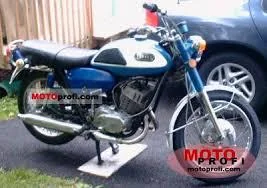
Article Complete Info
| Articleid | 14467 |
|---|---|
| Category | Classic |
| Make | Yamaha |
| Model | R 3 |
| Year | 1970 |
Chassis, Suspension, Brakes & Wheels
| Frontbrakes | Expanding brake |
|---|---|
| Fronttyre | 3.00-18 |
| Rearbrakes | Expanding brake |
| Reartyre | 3.50-18 |
Engine & Transmission
| Borexstroke | 61.0 x 59.0 mm (2.4 x 2.3 inches) |
|---|---|
| Compression | 7.5:1 |
| Coolingsystem | Air |
| Displacement | 345.00 ccm (21.05 cubic inches) |
| Enginedetails | Twin, two-stroke |
| Gearbox | 5-speed |
| Power | 36.00 HP (26.3 kW)) @ 7000 RPM |
| Topspeed | 165.0 km/h (102.5 mph) |
| Transmissiontypefinaldrive | Chain |
Physical Measures & Capacities
| Fuelcapacity | 15.00 litres (3.96 gallons) |
|---|---|
| Weightincloilgasetc | 154.0 kg (339.5 pounds) |
About Yamaha R 3 1970
Introducing the 1970 Yamaha R 3: A Classic Icon
The 1970 Yamaha R 3 stands as a testament to the golden age of motorcycling, embodying the spirit of innovation and performance that Yamaha has long been celebrated for. As a classic model, the R 3 is a beloved choice among enthusiasts and collectors alike, perfectly positioned in the market as a lightweight, agile sportbike that captures the essence of two-stroke excitement. With its striking lines and iconic styling, the R 3 not only turns heads but also delivers a thrilling ride that hints at the racing pedigree of Yamaha's engineering prowess.
Engine Performance and Riding Experience
At the heart of the R 3 lies a spirited 345cc twin-cylinder, two-stroke engine that churns out an impressive 36 horsepower at 7000 RPM. This engine configuration not only ensures a lively performance but also provides a distinctive powerband that delivers exhilarating acceleration. With a top speed of 165 km/h (102.5 mph), riders can expect an adrenaline-pumping experience, whether navigating twisty backroads or cruising on the open highway. The 5-speed gearbox and chain final drive contribute to its agile handling, allowing the R 3 to tackle corners with impeccable precision while offering an engaging riding experience that keeps the rider connected to the road.
Key Features and Technological Highlights
The Yamaha R 3 is equipped with essential features that cater to both performance and rider comfort. The air-cooled engine is designed for simplicity and reliability, while the expanding brakes at both the front and rear ensure solid stopping power—vital for spirited rides. With a weight of just 154 kg (339.5 pounds) and a fuel capacity of 15 liters (3.96 gallons), the R 3 is not only lightweight but also boasts a respectable range for longer rides. The bike's compression ratio of 7.5:1 and the bore and stroke dimensions of 61 x 59 mm (2.4 x 2.3 inches) exemplify the balance of power and efficiency, making it a well-rounded machine for both newcomers and seasoned riders alike.
Pros and Cons
Pros:
- Lightweight and Agile: Weighing in at just 154 kg, the R 3 offers impressive maneuverability and handling.
- Exciting Two-Stroke Engine: The spirited performance of the two-stroke engine delivers exhilarating acceleration and a unique sound that enthusiasts love.
- Classic Appeal: Its vintage styling and iconic design make it a desirable collectible for motorcycle aficionados.
Cons:
- Limited Power Band: As a two-stroke, the engine's power delivery can be peaky, which may require some adjustment for novice riders.
- Braking Performance: While adequate for its time, the expanding brakes may not match modern standards for stopping power.
- Fuel Consumption: The two-stroke engine may not be as fuel-efficient as four-stroke counterparts, leading to more frequent refueling on long rides.
In summary, the 1970 Yamaha R 3 is a classic motorcycle that continues to captivate riders with its performance and charm. With its rich history, engaging ride dynamics, and timeless aesthetics, it's more than just a machine—it's a piece of motorcycling heritage.