
Yamaha RD 250 1979 - Specifications & Review
Article Complete Info
| Articleid | 660757 |
|---|---|
| Category | Sport |
| Make | Yamaha |
| Model | RD 250 |
| Year | 1979 |
Chassis, Suspension, Brakes & Wheels
| Frontbrakes | Single disc |
|---|---|
| Fronttyre | 3.00-18 |
| Rearbrakes | Single disc |
| Reartyre | 3.50-18 |
Engine & Transmission
| Borexstroke | 54.0 x 54.0 mm (2.1 x 2.1 inches) |
|---|---|
| Compression | 6.7:1 |
| Coolingsystem | Air |
| Displacement | 247.00 ccm (15.07 cubic inches) |
| Enginedetails | Twin, two-stroke |
| Gearbox | 6-speed |
| Power | 27.00 HP (19.7 kW)) @ 7200 RPM |
| Topspeed | 145.0 km/h (90.1 mph) |
| Transmissiontypefinaldrive | Chain |
Physical Measures & Capacities
| Fuelcapacity | 16.50 litres (4.36 gallons) |
|---|---|
| Weightincloilgasetc | 158.0 kg (348.3 pounds) |
About Yamaha RD 250 1979
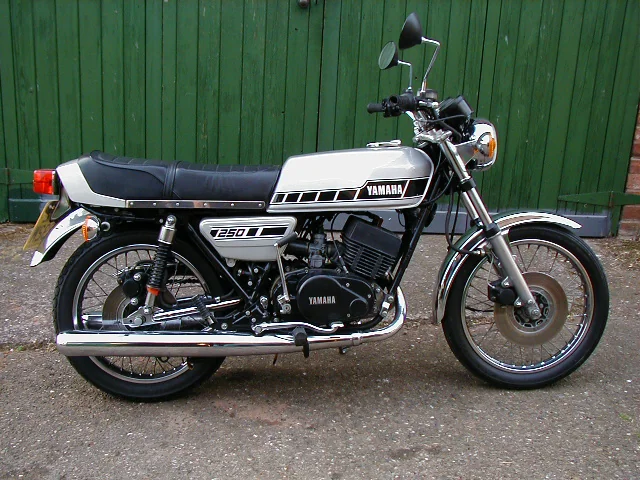
Introducing the 1979 Yamaha RD 250, a legendary entry in the sport motorcycle category that has captured the hearts of enthusiasts and collectors alike. This bike epitomizes the spirit of the late '70s, a time when lightweight, nimble motorcycles were the darlings of the racing scene and weekend riders. With its sleek lines, classic Yamaha styling, and a reputation for exhilarating performance, the RD 250 stands out as a prime example of Yamaha's engineering prowess during an era marked by the rise of two-stroke technology. Whether you’re navigating tight corners or cruising along open roads, this motorcycle promises an engaging ride that resonates with the pure essence of motorcycling.
At the heart of the RD 250 lies a robust 247cc twin-cylinder, two-stroke engine that produces a thrilling 27 horsepower at 7200 RPM. This spirited powerplant, paired with a responsive 6-speed transmission, allows riders to unleash their inner racer, achieving a top speed of 145 km/h (90.1 mph). The engine’s unique bore and stroke configuration of 54mm x 54mm, along with a relatively low compression ratio of 6.7:1, ensures a smooth power delivery that is both exhilarating and manageable. Riders can expect thrilling acceleration and a lightweight feel, making this bike a perfect companion for spirited rides and twisty backroads.
Key features of the 1979 Yamaha RD 250 extend beyond its impressive engine. The motorcycle is equipped with single disc brakes in both the front and rear, offering reliable stopping power that instills confidence when tackling corners. Weighing in at just 158 kg (348.3 pounds), the RD 250 is designed with agility in mind, making it easy to maneuver and control. The bike’s 16.5-liter fuel tank provides ample range for those longer rides, ensuring that the fun doesn’t have to end prematurely. The air-cooled engine contributes to the bike’s simplicity, making it easier to maintain and service—a boon for DIY enthusiasts and vintage lovers alike.
Pros:
- Lightweight and Agile: The RD 250's low weight enhances its handling, making it a joy to ride through twisty roads and urban environments.
- Classic Two-Stroke Performance: The energetic two-stroke engine delivers a unique and exhilarating riding experience, characterized by quick throttle response and a distinctive sound.
- Iconic Design: With its classic styling and sporty aesthetics, the RD 250 is a head-turner that appeals to both nostalgic riders and modern enthusiasts.
Cons:
- Limited Torque: While the engine revs high, it may lack the low-end torque that some riders prefer for everyday use, especially in stop-and-go traffic.
- Two-Stroke Maintenance: The two-stroke engine requires a bit more attention, including regular oil mixing and potential for increased emissions, which may not appeal to everyone.
- Vintage Technology: As a bike from the late '70s, it lacks some modern conveniences and advancements in safety and comfort found in today’s motorcycles, which could be a downside for those seeking more advanced features.
In summary, the 1979 Yamaha RD 250 is a spirited motorcycle that captures the essence of sport riding from a bygone era. With its vibrant performance, lightweight design, and classic aesthetics, it remains a cherished piece of motorcycle history that continues to ignite passion among riders and collectors alike.