
Yamaha RD 250 1980 - Specifications & Review
Article Complete Info
| Articleid | 936658 |
|---|---|
| Category | Classic |
| Make | Yamaha |
| Model | RD 250 |
| Year | 1980 |
Chassis, Suspension, Brakes & Wheels
| Frontbrakes | Single disc |
|---|---|
| Fronttyre | 3.00-18 |
| Rearbrakes | Expanding brake |
| Reartyre | 3.50-18 |
Engine & Transmission
| Borexstroke | 54.0 x 54.0 mm (2.1 x 2.1 inches) |
|---|---|
| Compression | 6.9:1 |
| Coolingsystem | Liquid |
| Displacement | 247.00 ccm (15.07 cubic inches) |
| Enginedetails | Twin, two-stroke |
| Gearbox | 6-speed |
| Power | 38.00 HP (27.7 kW)) @ 8500 RPM |
| Topspeed | 163.0 km/h (101.3 mph) |
| Transmissiontypefinaldrive | Chain |
Physical Measures & Capacities
| Fuelcapacity | 17.00 litres (4.49 gallons) |
|---|---|
| Weightincloilgasetc | 158.0 kg (348.3 pounds) |
About Yamaha RD 250 1980
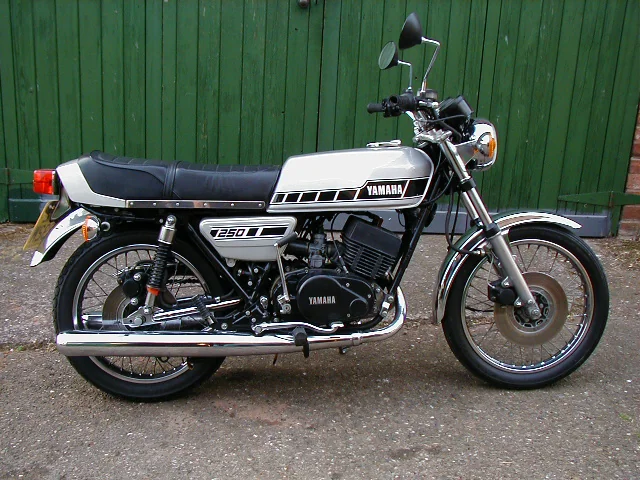
Introducing the 1980 Yamaha RD 250, a classic motorcycle that captures the spirit of the golden age of biking. Positioned as a lightweight, sporty alternative in the 250cc class, the RD 250 was designed for both the budding enthusiast and the seasoned rider looking for a nimble machine that exudes charisma and performance. With its bold design and legendary two-stroke engine, this bike is a true testament to Yamaha's commitment to innovation and performance during the late 70s and early 80s. Whether you're zipping through city streets or carving up winding country roads, the RD 250 promises an exhilarating ride that is still celebrated by vintage motorcycle fans today.
At the heart of the Yamaha RD 250 lies a 247cc twin-cylinder, two-stroke engine that delivers a spirited 38 horsepower at 8,500 RPM. With a compression ratio of 6.9:1 and a liquid-cooling system, this engine ensures consistent performance and reliability, allowing riders to experience the thrill of a top speed of 101.3 mph (163 km/h). The 6-speed gearbox offers precise shifting and enables the rider to harness the bike's power effectively, while the lightweight frame, weighing in at just 158 kg (348.3 pounds) with fluids, enhances agility and handling. The RD 250 is a motorcycle that encourages spirited riding, whether you're navigating through traffic or taking it to the open road.
The RD 250 also boasts a range of features that were cutting-edge for its time. The single disc front brake provides strong stopping power, while the expanding rear brake adds an extra layer of control and safety. With a generous fuel capacity of 17 liters (4.49 gallons), riders can enjoy longer journeys without frequent stops at the pump. Additionally, the bike's distinctive styling, featuring sleek lines and a sporty stance, ensures it turns heads wherever it goes. This combination of performance, design, and technology makes the RD 250 a desirable classic that remains a favorite among collectors and enthusiasts alike.
PROs:
- Lightweight & Agile: At just 158 kg, the RD 250 is incredibly nimble, making it perfect for urban commuting and spirited rides on twisty roads.
- Powerful Engine: The two-stroke twin delivers an impressive 38 HP, providing an exhilarating riding experience and a thrilling top speed.
- Classic Design: The timeless styling and distinctive Yamaha branding make this motorcycle a standout piece in any enthusiast's collection.
CONs:
- Limited Torque: As a two-stroke, the engine may lack the low-end torque that some riders prefer, requiring higher RPMs for optimal performance.
- Maintenance Requirements: The two-stroke engine demands regular maintenance, including oil changes and proper fuel mixtures, which can be a drawback for some riders.
- Parts Availability: Being a classic model, finding specific replacement parts can be challenging, potentially impacting restoration or maintenance efforts.
The 1980 Yamaha RD 250 is more than just a motorcycle; it’s a piece of history that embodies the joy of riding. Whether you’re an experienced collector or a newcomer to the world of classic bikes, the RD 250 is sure to ignite your passion for two-wheeled adventure.