
Yamaha RD 250 (6-speed) 1973 - Specifications & Review
Article Complete Info
| Articleid | 101971 |
|---|---|
| Category | Sport |
| Make | Yamaha |
| Model | RD 250 (6-speed) |
| Year | 1973 |
Chassis, Suspension, Brakes & Wheels
| Frontbrakes | Single disc |
|---|---|
| Fronttyre | 3.00-18 |
| Rearbrakes | Expanding brake |
| Reartyre | 3.25-18 |
Engine & Transmission
| Borexstroke | 54.0 x 54.0 mm (2.1 x 2.1 inches) |
|---|---|
| Compression | 6.7:1 |
| Coolingsystem | Air |
| Displacement | 247.00 ccm (15.07 cubic inches) |
| Enginedetails | Twin, two-stroke |
| Gearbox | 6-speed |
| Power | 30.00 HP (21.9 kW)) @ 7500 RPM |
| Topspeed | 155.0 km/h (96.3 mph) |
| Transmissiontypefinaldrive | Chain |
Physical Measures & Capacities
| Fuelcapacity | 16.00 litres (4.23 gallons) |
|---|---|
| Weightincloilgasetc | 162.0 kg (357.1 pounds) |
About Yamaha RD 250 (6-speed) 1973
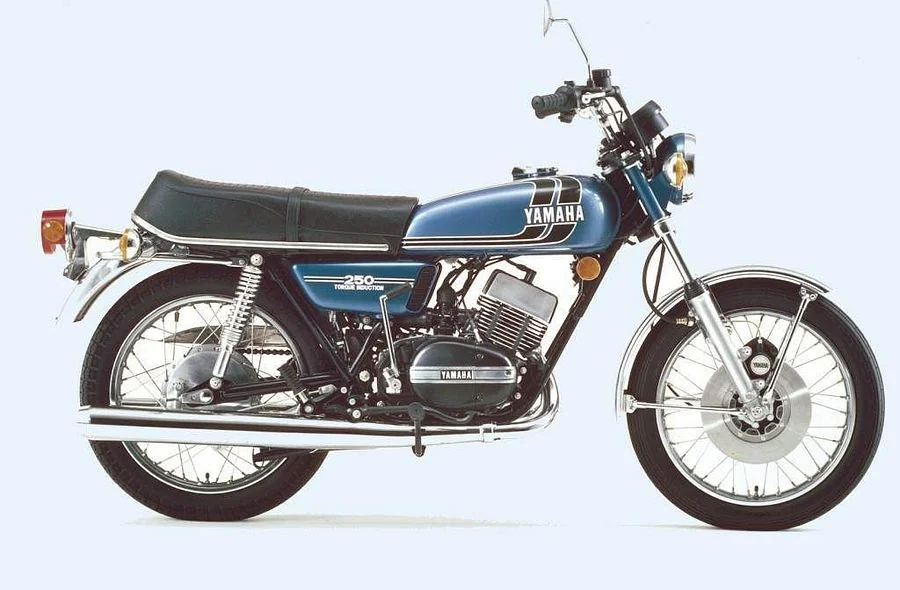
Introducing the 1973 Yamaha RD 250 (6-speed)
Step back into the vibrant world of the early 1970s, a golden era for two-stroke motorcycles, and meet the 1973 Yamaha RD 250 (6-speed). This machine carved its niche in the sport category, appealing to enthusiasts who sought both performance and style. With its distinctive design and aggressive stance, the RD 250 became a favorite among young riders and seasoned motorcyclists alike. Known for its nimble handling and spirited acceleration, this bike was Yamaha's answer to the growing demand for lightweight, high-revving two-stroke motorcycles that delivered an exhilarating ride without compromising on reliability.
Engine Performance and Riding Characteristics
At the heart of the RD 250 is a robust twin-cylinder, two-stroke engine boasting a displacement of 247cc. Generating an impressive 30 horsepower at 7,500 RPM, this powerplant delivers a thrilling ride that’s sure to awaken your inner speed demon. With a top speed of 155 km/h (96.3 mph), the RD 250 is not just about power; it's about how that power translates to the road. The 6-speed gearbox allows for seamless gear changes, ensuring that you can tap into the engine's full potential and experience the rush that only a two-stroke can provide. The bike's lightweight construction, tipping the scales at just 162 kg (357.1 lbs), enhances its agility, making cornering a delight and allowing riders to maneuver effortlessly through traffic or around twisty roads.
Key Features and Technology
The RD 250 is not just a workhorse; it’s a testament to Yamaha's engineering prowess in the 1970s. Its air-cooled engine, paired with a compression ratio of 6.7:1, offers a perfect balance of performance and durability. The 54 mm bore and stroke create a responsive powerband that encourages spirited riding. The front features a single disc brake for optimal stopping power, while the rear employs an expanding brake system, providing a reliable braking experience. With a fuel capacity of 16 liters (4.23 gallons), the RD 250 is well-equipped for longer rides, allowing you to enjoy the open road without constant refueling stops.
Pros and Cons of the 1973 Yamaha RD 250 (6-speed)
Pros:
- Lightweight and Agile: At just 162 kg, the RD 250 is easy to handle, making it perfect for both novice and experienced riders.
- High-Performance Engine: The two-stroke twin delivers exhilarating acceleration and a thrilling top speed, ensuring an engaging ride.
- Iconic Design: The classic styling of the RD 250 captures the essence of the era, making it a coveted collector's item among vintage motorcycle enthusiasts.
Cons:
- Two-Stroke Maintenance: As with many two-strokes, the engine requires regular maintenance and careful tuning to keep it performing at its best.
- Limited Fuel Efficiency: While spirited, the two-stroke engine may not be as fuel-efficient as modern four-stroke counterparts.
- Comfort on Long Rides: The sport-oriented design may lead to discomfort on longer journeys, as the seating position is less forgiving for extended rides.
In summary, the 1973 Yamaha RD 250 (6-speed) is not just a motorcycle; it’s a thrilling ride that promises excitement and nostalgia for those who appreciate the raw power of two-stroke engines. Whether you’re carving through canyons or cruising down the boulevard, this classic bike offers an unforgettable experience that continues to resonate with motorcycle enthusiasts today.