
Yamaha RD 250 LC 1983 - Specifications & Review
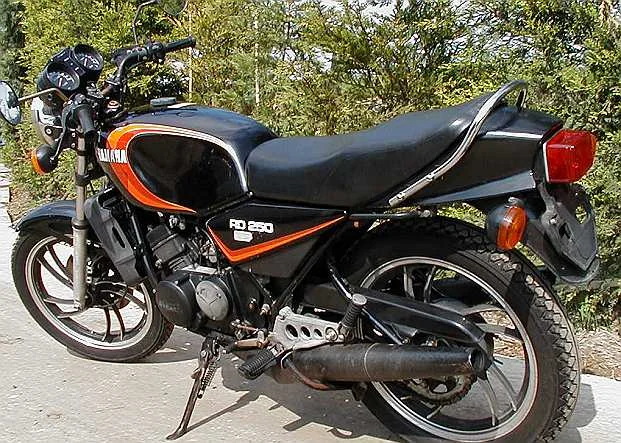
Article Complete Info
| Articleid | 976541 |
|---|---|
| Category | Sport |
| Make | Yamaha |
| Model | RD 250 LC |
| Year | 1983 |
Chassis, Suspension, Brakes & Wheels
| Frontbrakes | Single disc |
|---|---|
| Fronttyre | 3.00-18 |
| Rearbrakes | Expanding brake |
| Reartyre | 3.50-18 |
Engine & Transmission
| Borexstroke | 54.0 x 54.0 mm (2.1 x 2.1 inches) |
|---|---|
| Compression | 6.9:1 |
| Coolingsystem | Liquid |
| Displacement | 247.00 ccm (15.07 cubic inches) |
| Enginedetails | Twin, two-stroke |
| Gearbox | 6-speed |
| Power | 38.00 HP (27.7 kW)) @ 8500 RPM |
| Topspeed | 163.0 km/h (101.3 mph) |
| Transmissiontypefinaldrive | Chain |
Physical Measures & Capacities
| Fuelcapacity | 17.00 litres (4.49 gallons) |
|---|---|
| Weightincloilgasetc | 158.0 kg (348.3 pounds) |
About Yamaha RD 250 LC 1983
Introducing the 1983 Yamaha RD 250 LC, a beloved icon in the world of sport motorcycles. Nestled in the heart of Yamaha's lineup, the RD 250 LC was designed for those who craved a thrilling ride, combining speed, agility, and the unmistakable character of a two-stroke engine. While it may have been a mid-sized offering, the RD 250 LC's sporty demeanor and lightweight frame made it a favorite amongst both novice riders and seasoned enthusiasts. With its sleek lines and vibrant color schemes, this motorcycle not only delivers performance but also turns heads wherever it goes.
At the heart of the RD 250 LC is a spirited 247cc twin-cylinder, two-stroke engine that pumps out an impressive 38 horsepower at 8,500 RPM. This power is complemented by a 6-speed gearbox, allowing riders to seamlessly shift through gears while efficiently harnessing the engine’s capabilities. With a top speed of 163 km/h (101.3 mph), the RD 250 LC is built for exhilarating rides, whether navigating twisty backroads or cruising on the open highway. The liquid cooling system ensures optimal engine temperature, enhancing performance and longevity, while the unique 6.9:1 compression ratio contributes to its lively throttle response and signature two-stroke power delivery.
The RD 250 LC is equipped with features that elevate its riding experience. Its single disc front brake provides reliable stopping power, complemented by an expanding rear brake, ensuring that both novice and experienced riders can confidently tackle corners and maintain control. The lightweight frame, tipping the scales at just 158 kg (348.3 pounds), coupled with a well-balanced chassis, allows for nimble handling, making it a joy to ride. Plus, with a fuel capacity of 17 liters (4.49 gallons), riders can embark on longer journeys without frequent stops, enjoying the ride that much more.
Pros:
- Lightweight and agile: Weighing in at just 158 kg, the RD 250 LC offers excellent maneuverability, making it perfect for both city and sport riding.
- Rev-happy engine: The two-stroke engine delivers a thrilling power band, providing an exhilarating riding experience with a distinctive two-stroke sound.
- Classic styling: With its sleek design and vibrant colors, the RD 250 LC captures the essence of 80s sport motorcycles, appealing to collectors and enthusiasts alike.
Cons:
- Limited torque at low RPM: The two-stroke engine's power delivery is more suited for higher RPMs, which may not appeal to riders looking for low-end torque.
- Maintenance demands: Two-stroke engines require more frequent maintenance, including oil mixing and regular checks, which can be a drawback for some riders.
- Fuel consumption: While spirited performance is a highlight, the two-stroke engine can be less fuel-efficient compared to modern four-stroke counterparts, requiring more frequent fill-ups.
In conclusion, the 1983 Yamaha RD 250 LC stands as a testament to the charm of classic sport motorcycles, combining exhilarating performance with nostalgic aesthetics. Its two-stroke engine, lightweight design, and engaging handling make it a thrilling ride, ensuring it remains a sought-after motorcycle for enthusiasts and collectors alike.