
2011
CMC Economy - Specifications & Review
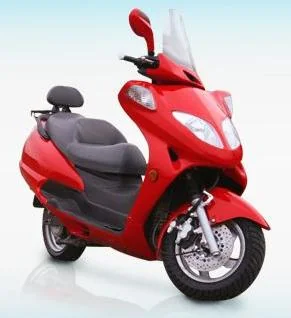
Article Complete Info
| Articleid | 608073 |
|---|---|
| Category | Scooter |
| Make | CMC |
| Model | Economy |
| Price | US$ 6499. Prices depend on country, taxes, accessories, etc. |
| Year | 2011 |
Chassis, Suspension, Brakes & Wheels
| Frontbrakes | Single disc. Uses the motor as a generator during braking |
|---|---|
| Frontbrakesdiameter | 178 mm (7.0 inches) |
| Fronttyre | 120/70-12 |
| Rearbrakes | Single disc. Uses the motor as a generator during braking |
| Rearbrakesdiameter | 178 mm (7.0 inches) |
| Reartyre | 120/60-13 |
Engine & Transmission
| Driveline | Direct. Low-speed reverse. |
|---|---|
| Emissiondetails | No emissions |
| Enginedetails | Electric |
| Enginetype | Brushless DC hub motor. |
| Ignition | Battery management system with low voltage cut off, over voltage protection and pack balancing. |
| Power | 12.00 HP (8.8 kW)) |
| Topspeed | 88.5 km/h (55.0 mph) |
Other Specifications
| Carryingcapacity | Optional large rear trunk |
|---|---|
| Coloroptions | Red, blue, light blue |
| Comments | Lithium Iron Phosphate (LiFePO4) batteries. 77V. 3072 Ah. 30 miles range. Approximately 2,000 charge/discharge cycles. 110V / 15A on-board charger. CMC is an abbreviation of Current Motor Company |
| Electrical | 200 Watt constant, 275 Watt peak DC/DC converter for using standrd 12V add-ons. |
| Factorywarranty | 12 month warranty on parts and labour |
| Starter | Electric |
Physical Measures & Capacities
| Dryweight | 181.4 kg (400.0 pounds) |
|---|---|
| Powerweightratio | 0.0661 HP/kg |
| Seatheight | 686 mm (27.0 inches) If adjustable, lowest setting. |
About CMC
Country of Origin:
Asia
Founder:
Consortium/contract manufacturing origins (varies by market)
Best Known For:
Budget small motorcycles and scooters distributed under regional CMC badges
Company History
CMC has been used as a badge by several distributors over the past two decades to market small motorcycles and scooters assembled in Asia for export. The common thread is pragmatism: take proven single-cylinder engines, pair them with simple frames and brakes, and deliver city-friendly transport at a price that undercuts established brands. In many markets, CMC models found homes with delivery services, new riders, and families upgrading from bicycles. The distributor-driven model means specifications can shift by region—front discs here, drum brakes there; EFI in one regulatory environment, carburetors in another. That variability can frustrate data collectors but serves local customers by hitting the right price-feature balance. Historically, CMC’s significance is the role it plays in the ‘long tail’ of mobility: it fills gaps that larger OEMs ignore, especially in secondary cities and towns where dealership density is thin. The best examples succeed not because they are glamorous, but because importers back them with spares and straightforward warranty policies. For riders, a CMC may be the first taste of motorized independence, a tool that builds skills and confidence. Many will eventually pursue bigger, faster machines, but they carry forward a respect for reliability and simplicity—values that small, quiet brands like CMC instill by doing the basic job well, day after day.