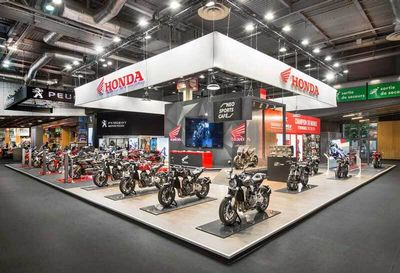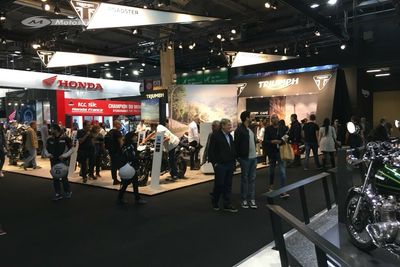
The motorcycle market in America has gone through a revolutionary transformation, and the one who has been enjoying the throne for so long Honda, has lost its firm positioning in the new motorcycle sales. Everything turned topsy-turvy for Honda that was firm in his supremacy for so many years, the very first in motorcycle sales which surrounded other brands with defeat. Subsequently, Kawasaki beat the Asian motorcycle king by a huge margin in Q2 2025 with a 23.7% year-to-year sales increase. To show this process, it could be said that the automobile market despite inflationary pressure not showing many units was a gaudy contradiction because Honda lost its top position so the Q2 biker battle turned it to the other side.
Now the question is: how did they manage to achieve this? Honda was not the only one to sell motorcycles; people were more interested in foresighted product policy, right timing, and performance-oriented, affordable, and durable vehicles that were demanded by customers.
Kawasaki's Product Strategy
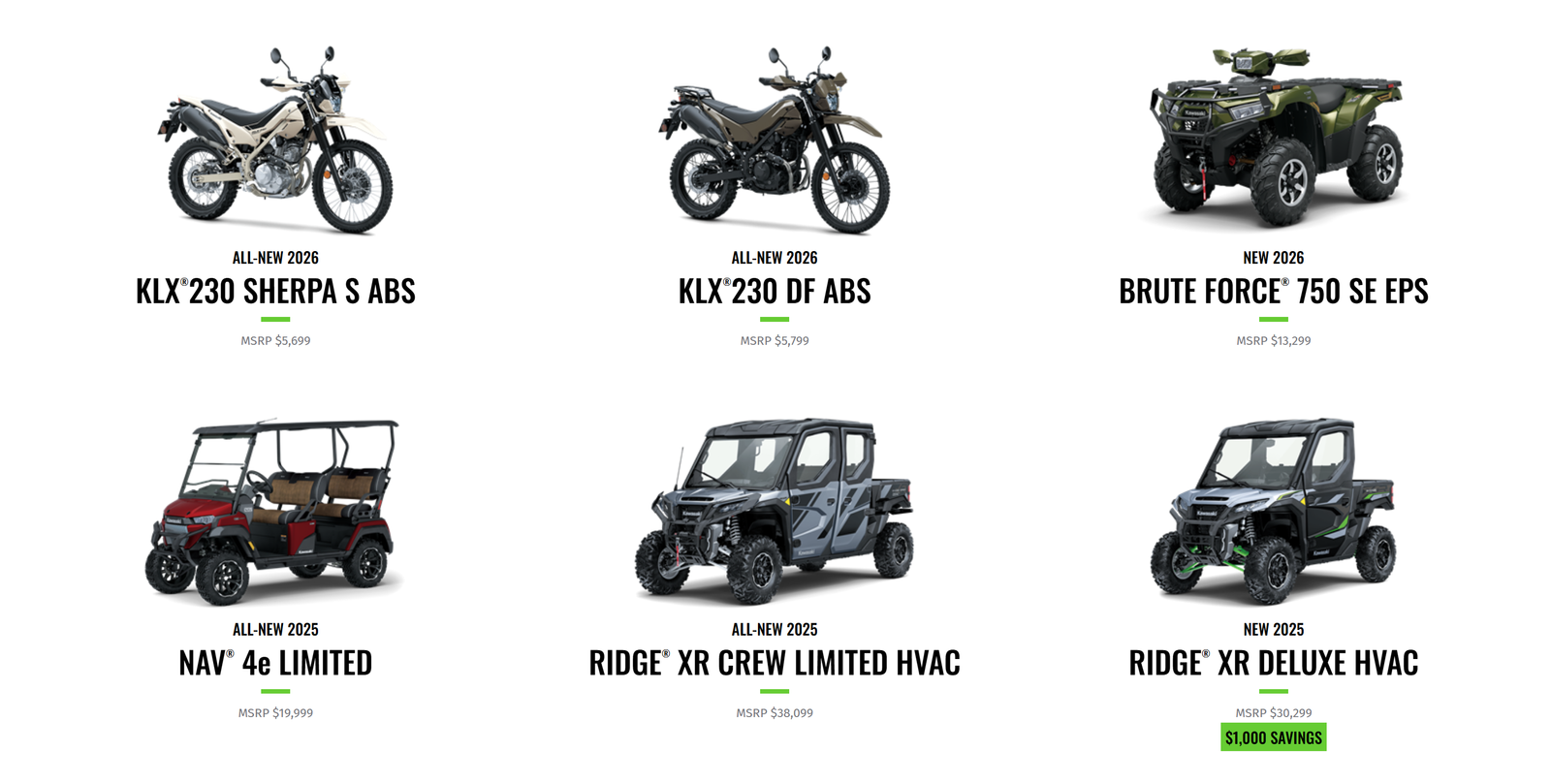
Kawasaki has been prospering through the well-off model range, which is the main reason for its success. The model range has both really versatile models that are favored and recognized not only by beginners but also by experienced riders. The flagship segment is represented by models like the Z650, Ninja 400, and off-road KLX, which are the best ones in the market and thus have won the people's recognition.
Kawasaki's star player Z650 is one of the best decisions of the company this year for sure. Overtaking the 20,000 units in just five months of 2025 and besides such an achievement that the bike has found its place as one of America's favorites, it is pretty clear that Z650 is incredible. It includes everything: an upright riding position, a quick tbottle response, and most importantly a low price. It is appealing to commuters, weekend riders, and even juniors who are just kicking out from their starter bikes.
In the off-roading department, the Kawasaki company is way more stable than KTM which primarily markets off-road models and hence its vulnerability to the economic situation. Thanks to combined factors of a broad product array and easier accessibility to the dealers, Kawasaki was resilient against the off-road downturn.
The Giant Falling: Honda's Troubles
Honda is the one who makes the Z650 breakthrough while the other time dips. And with an extensive stock yet Honda is a big name with a lot of unsettled brand issues; in the first half of 2025, the company recorded a 12% decrease compared to the previous year in the US. The reports outlined that part of the reason for the slump was caused by an inventory problem, the outdated model line in key segments, and scared dealer orders due to low demand.
Although the CRF dirt bike set of Honda along with Gold Wing tourers and Rebel are still prominent in the list of top choices, there hasn't been so much change, and there have been postponed deliveries of exciting new models thus the brand has lost a part of its star. Meanwhile, some dealers in some states have reported only a few models of popular inventory that have attracted buyers who look for models from other manufacturers. In this particular instance, it is mostly because of the buyer's preference that they moved towards dealing with Kawasaki.
This is the motorcycle business's irreducible law. Legacy brands, even the unyielding ones, cannot use only their name to manipulate the market. Today, what matters most is the relevancy of the products, their availability, and the power of adaptation which are the three aspects of the right form of line.
Harley-Davidson: from being unique to being not existing?
After taking the third place among the brands in Q2 2025, Harley-Davidson is only a hair away from the cliff. The 22% decrease in sales has significantly diminished its market power. The cruiser market is persistently, getting smaller, yet Harley has still to redress the situation. A unique V-twin touring range does not appeal anymore to the new performance buyer, but it has become an issue for even the long-standing customers who have chosen Japanese brands over Harleys just for their technology and fun features.
To counter the loss in demand, Harley this year cut 25% of its production, intending to follow the sinking trend of retail interest. However, this may bring the dealers' capacity to an even lower level, in addition, it may make them less willing to work with them.
Other Brands: Yamaha Holds Steady, Indian Moves Up
Unlike Harley's ill fortune, Yamaha has proved to be a stable performer. Even with a minor 1.3% inflation in sales, the brand has maintained its position as the handling company, thus remaining number four on a national scale. Leading promotional products are now the MT-09, YZF-R7, and WR250 models, which produced a noteworthy input in the brand's popularity. The key player to the positive development of Yamaha was the steady pace of moderate innovation without overextension.
Meanwhile, Indian Motorcycle, which is a part of Polaris now, has begun accumulating some ground. This year, the company has reported a 7.5% growth in sales; through introducing a new Scout Rogue 1250, it promoted its range of current cruisers. The brand is still not a major player in the market, but the partnership is a blessing in disguise, as it has been seen in the cruiser area where new technology is employed.
A Wide View: The Power Goes to the Youth But From the Giant
The day when Kawasaki acquired the momentum, followed by Honda's breakdown was not merely two companies swapping places, but it was also the time for new paths in consumer purchasing behaviors to emerge. The buyers have become younger, more cost-oriented, and technology-oriented. They look for bikes that are cheaper to run while offering max available features, performance, and reliability.
Kawasaki has already matched the demand made by Honda with the supply struggle but he along with Harley who is stagnant in the past has the reason for it.
Finally, the conclusion: Is Kawasaki really the King of All?
As we end the first half of the year 2025, the most burning question is whether Kawasaki will be able to maintain its position. Problems like the economic uncertainties, interest rates pressure, and the including risks of tariff hikes are still to be handled. However, as regards the course of things, Kawasaki simply needs to persist in their evolution and their distribution of top-quality products to dealers at right times; they do more than just holding top spot, they also expand leadership to new levels.
If the situation of string pulling is considered, then the brands like Honda and Harley must get back on track fast to be able to cope with Kawasaki. The solution may come in the form of new models, better financing options, or more efficient inventory management, which they must find to set the new norm for the market forged by Kawasaki's success.