
2007
Diamo Turista 260 - Specifications & Review
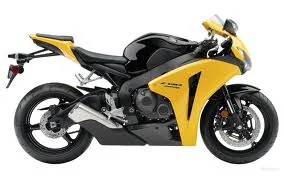
Article Complete Info
| Articleid | 636334 |
|---|---|
| Category | Scooter |
| Make | Diamo |
| Model | Turista 260 |
| Price | US$ 3995. Prices depend on country, taxes, accessories, etc. |
| Year | 2007 |
Chassis, Suspension, Brakes & Wheels
| Frontbrakes | Single disc |
|---|---|
| Fronttyre | 110/90-12 |
| Rearbrakes | Single disc |
| Reartyre | 110/90-12 |
Engine & Transmission
| Coolingsystem | Liquid |
|---|---|
| Displacement | 258.00 ccm (15.74 cubic inches) |
| Enginedetails | Single cylinder, four-stroke |
| Fuelconsumption | 3.13 litres/100 km (31.9 km/l or 75.15 mpg) |
| Fuelsystem | Carburettor |
| Gearbox | Automatic |
| Greenhousegases | 72.6 CO2 g/km. (CO2 - Carbon dioxide emission) |
| Ignition | CDI |
| Power | 18.40 HP (13.4 kW)) |
| Topspeed | 128.7 km/h (80.0 mph) |
| Transmissiontypefinaldrive | Belt |
Other Specifications
| Comments | Produced by Linhai owned by Yamaha. |
|---|---|
| Starter | Electric & kick |
Physical Measures & Capacities
| Dryweight | 167.8 kg (370.0 pounds) |
|---|---|
| Fuelcapacity | 10.97 litres (2.90 gallons) |
| Powerweightratio | 0.1096 HP/kg |
| Seatheight | 737 mm (29.0 inches) If adjustable, lowest setting. |
About Diamo
Country of Origin:
United States (import brand)
Founder:
LS Motorsports (U.S. distributor)
Best Known For:
Mid-2000s U.S. lineup of value scooters, small-displacement motorcycles, and ATVs sourced from Asia
Company History
Diamo appeared in the mid-2000s as a U.S. importer-label curating affordable scooters, small motorcycles, and ATVs for riders who wanted the practicality of two wheels without premium pricing. Rather than operate a factory, Diamo partnered with established Asian manufacturers, then handled North American homologation, branding, warranty, and parts. The pitch was simple: new-vehicle peace of mind at used-bike prices, backed by a domestic warehouse that actually shipped spares. In college towns and sunbelt suburbs, Diamo scooters became common sights—CVT drivetrains, under-seat storage, and frugal consumption suited to students and commuters alike. The brand also dabbled in lightweight dual-sports and mini-motos that gave first-time owners a low-risk entry into riding. As the segment matured, quality expectations rose and competition tightened, especially as Taiwanese and major Chinese OEMs strengthened dealer networks and as Japanese brands defended the bottom of their ranges. Diamo’s experience illustrates the importer model’s strengths and fragility: market speed and value on one hand; dependence on supplier consistency and dealer commitment on the other. While the original label faded as the 2010s progressed, its imprint remains in the way U.S. riders grew comfortable with globally sourced hardware so long as parts and support felt trustworthy. In that sense, Diamo helped normalize the idea that affordability and serviceability—not just brand aura—could win daily riders.