
2014
Scorpa Twenty 125 - Specifications & Review
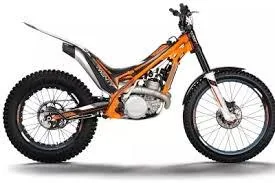
Article Complete Info
| Articleid | 724308 |
|---|---|
| Category | Trial |
| Make | Scorpa |
| Model | Twenty 125 |
| Year | 2014 |
Chassis, Suspension, Brakes & Wheels
| Frametype | Tubular section frame Chrome-Molybdenum |
|---|---|
| Frontsuspension | Tech 39 mm |
| Fronttyre | 120/70-18 |
| Frontwheeltravel | 39 mm (1.5 inches) |
| Rearsuspension | Progressive link system with single adjustable shock absorber, 175 mm ( |
| Reartyre | 150/60-18 |
| Rearwheeltravel | 175 mm (6.9 inches) |
Engine & Transmission
| Borexstroke | 54.0 x 54.0 mm (2.1 x 2.1 inches) |
|---|---|
| Clutch | Hydraulic, multidisc in oil bath |
| Coolingsystem | Liquid |
| Displacement | 123.70 ccm (7.55 cubic inches) |
| Enginedetails | Single cylinder, two-stroke |
| Enginetype | Nikasil coated cylinder |
| Exhaustsystem | Steel header pipe with an integrated aluminum muffler |
| Gearbox | 5-speed |
| Ignition | Hidria digital |
Other Specifications
| Coloroptions | Orange |
|---|
Physical Measures & Capacities
| Dryweight | 67.5 kg (148.8 pounds) |
|---|---|
| Fuelcapacity | 2.60 litres (0.69 gallons) |
| Groundclearance | 310 mm (12.2 inches) |
| Seatheight | 645 mm (25.4 inches) If adjustable, lowest setting. |
About Scorpa
Country of Origin:
France
Founder:
Marc Tessier & Joël Domergue
Best Known For:
Trials motorcycles; agile, tractable machines for technical terrain
Company History
Scorpa is part of France’s rich trials tradition, building featherweight motorcycles that make balance, grip, and precision feel intuitive. Engines emphasize torque off idle; frames and suspension prioritize feel over travel; and ergonomics allow fluid transitions between pegs and seat. The brand has partnered on powertrains and refined maps and jetting to suit slick rocks and logs. Club and national competition informed iterative improvements—reliability in repeated stalls, heat management at low airflow, and components that shrug off tumbles. Historically, Scorpa helped evolve modern trials geometry and controls, proving that mastery of slow, technical riding can be more addictive—and instructive—than outright speed.