
Scott Super Squirrel 1927 - Specifications & Review
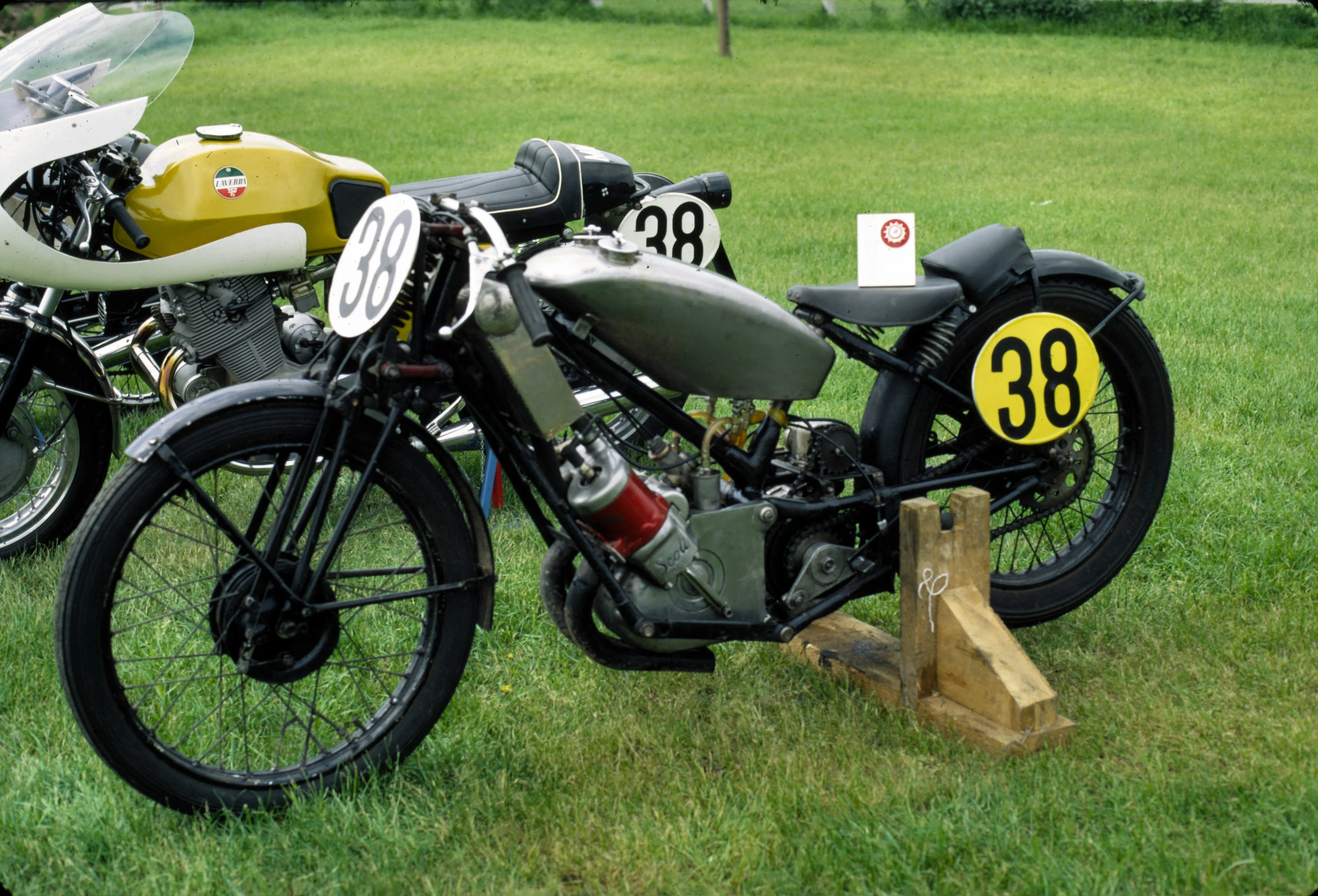
Article Complete Info
| Articleid | 781537 |
|---|---|
| Category | Sport |
| Make | Scott |
| Model | Super Squirrel |
| Year | 1927 |
Chassis, Suspension, Brakes & Wheels
| Seat | Solo seat with springs |
|---|
Engine & Transmission
| Clutch | Two-speed foot shift |
|---|---|
| Displacement | 596.00 ccm (36.37 cubic inches) |
| Enginedetails | Twin, two-stroke |
| Gearbox | 3-speed |
| Transmissiontypefinaldrive | Chain |
Other Specifications
| Light | Actylene head and tail |
|---|
About Scott Super Squirrel 1927
1927 Scott Super Squirrel: The Sporting Legend of the Roaring Twenties
Introducing the 1927 Scott Super Squirrel, a striking example of early sports motorcycle engineering that captures the spirit of the 1920s. Born from the innovative minds at Scott, a brand renowned for its pioneering designs and high-performance machines, the Super Squirrel was tailored for those who craved the thrill of speed and agility on two wheels. With a blend of distinctive styling and a commitment to sporting excellence, this motorcycle carved out a niche for itself in a burgeoning market that was rapidly falling in love with the allure of motorcycling.
At the heart of the Super Squirrel is its robust twin-cylinder, two-stroke engine, boasting a displacement of 596 ccm (36.37 cubic inches). This powerplant delivers an exhilarating performance that is both spirited and responsive, making it a joy to ride on twisty backroads and open highways alike. The three-speed gearbox, operated via a unique two-speed foot shift clutch, allows for seamless gear changes and a connected riding experience. The chain-driven final drive contributes to the bike's lively acceleration, ensuring that the Super Squirrel isn’t just a pretty face; it’s engineered for performance enthusiasts who appreciate the thrill of the ride.
The Super Squirrel also showcases several key features that set it apart from its contemporaries. Its lightweight chassis and minimalistic design not only enhance its speed but also provide an agile handling experience, making it a favorite among sport riders. The motorcycle's suspension, while basic by modern standards, is adept at soaking up the imperfections of the road, allowing riders to maintain confidence in their cornering prowess. The clever engineering behind its compact form and powerful engine embodies the cutting-edge technology of its time, offering a glimpse into the future of motorcycle performance.
Pros and Cons of the 1927 Scott Super Squirrel
#### Pros:
- Lightweight Construction: The Super Squirrel's design emphasizes a lightweight frame, allowing for nimble handling and agility that sports enthusiasts crave.
- Distinctive Two-Stroke Engine: The twin-cylinder, two-stroke configuration not only delivers impressive acceleration but also provides a unique auditory experience that motorcycle aficionados love.
- Vintage Charm: With its classic styling and historical significance, the Super Squirrel is a head-turner at any vintage show or motorcycle gathering.
#### Cons:
- Limited Gear Options: With only a three-speed gearbox, some riders may find the gearing less versatile compared to modern machines, which can limit performance in varied conditions.
- Basic Suspension: While adequate for its time, the suspension may not meet the expectations of today’s riders who are accustomed to advanced handling characteristics.
- Maintenance Considerations: Owning a vintage motorcycle like the Super Squirrel often requires a commitment to maintenance and restoration, which can be a challenge for some enthusiasts.
In summary, the 1927 Scott Super Squirrel stands as an iconic representation of early motorcycle engineering, blending performance with a distinctive aesthetic. Whether you’re a dedicated collector or a vintage motorcycle enthusiast, this spirited machine promises an exhilarating ride steeped in history.